
How will my life change in a retirement village?
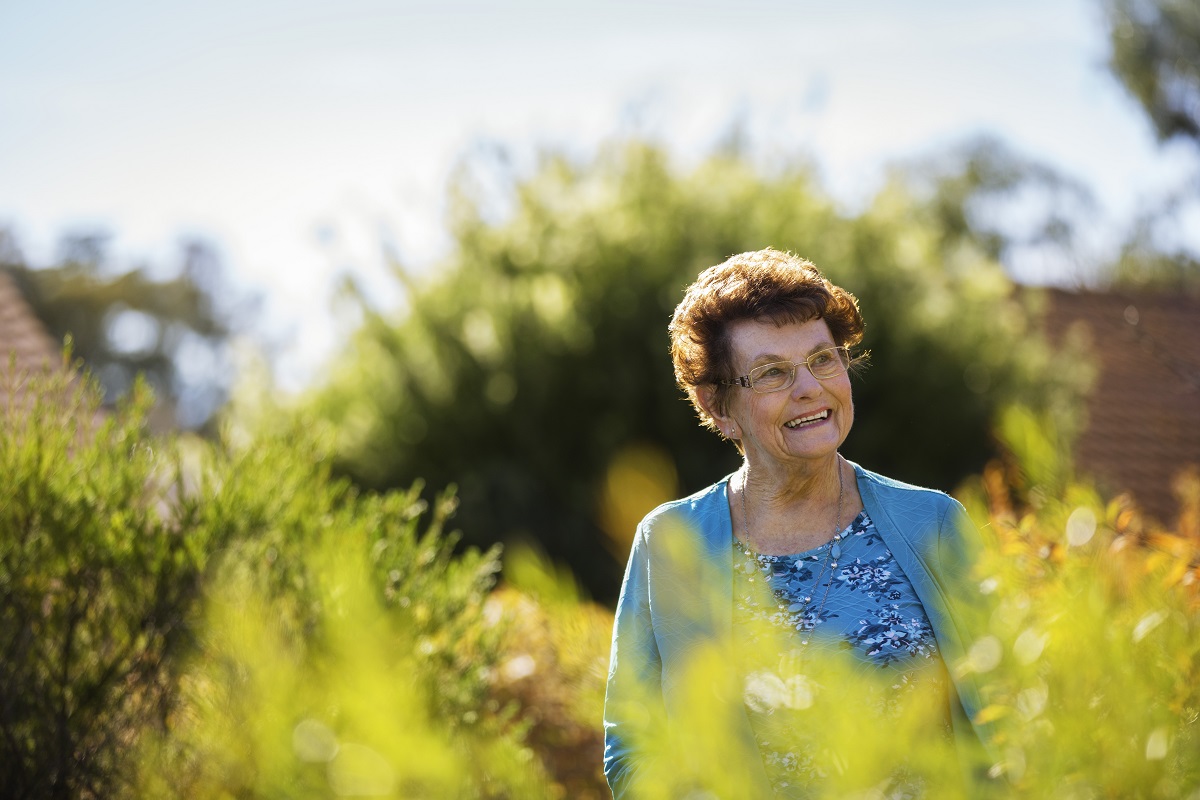
Here are some ways your life may change if you move into in a retirement village:
When people move to a retirement village they often wonder how their life will change.
Retirement villages are designed for people who are seeking a community-oriented and supportive living environment, where care options are available when needed.
Activities and lifestyle
Retirement villages offer a variety of social and recreational activities tailored for older adults, such as fitness groups, art and crafts, morning teas, happy hours, card games, billiards, table tennis and more.
When you move into a retirement village, you may find that your days suddenly become busier with new opportunities to socialise and make like-minded friends. This means that life becomes more active and fulfilling and you will feel less isolated.
While these options are available when you want them, you can also choose to live a more private life if you prefer.
Jenny, after moving to Boambee Gardens Retirement Village had this to say about her experience :
“There are quite a few goers in the village,”
“There are others who go and do things outside of the village too. It’s fantastic this way of living.”
“Some of the residents are very busy, there are those who get involved, others who like to get into the gardens. There’s a lot of activity going on here, they’ve got painting groups, yoga groups there’s bingo and table tennis, there’s quite a bit going on. There are other residents who keep to themselves and you won’t see from one year to the next. They often have outside interests or they may just like to keep to themselves.”
Accommodation and amenities
Retirement villages provide various living options, such as independent living units or serviced apartments. If you move into an independent living unit, life won’t change too much, as you will live as you did in your own home. Although, you will have all of the benefits of age-friendly design, such as wider spaces in the bathroom, grab rails, etc. and while this may not impact your day-to-day life the moment you move in, you will realise the benefits as you age. If you require more support or care and decide to move into a serviced apartment, your cleaning, linen service, meals and personal care, will be provided so you will have more time to do things you want to do.
Depending on your village, there may be other amenities such as communal dining areas, libraries, gyms, bowling greens, swimming pools, and other facilities that you can use on a daily basis. For example, you could find that your mornings are spent doing an exercise class, you may then choose a book from the library to curl up with in the afternoon and then catch up with neighbours for happy hour in the evening. Most people don’t have access to this range of choice when living in their family home.
“Someone told us about retirement village living and we hadn’t really thought about it, but decided to have a look and thought ‘this is great!’ It’s got all the key things that make life easy as you get older, like the size of the bathroom that can fit a wheelchair and fittings so you don’t trip.”
– Chris, a resident at The Verge Burleigh G.C. Retirement Village.
Community and support
Retirement villages are designed to foster community and connection among residents. When you move into a retirement village you will have opportunities to interact with other residents, participate in a range of activities and interests, and build meaningful relationships with like-minded individuals.
You may find this sense of community could be one of the most pleasantly surprising parts of living in a retirement village, whether it’s taking part in an organised activity or simply greeting neighbours while walking through the village.
“Having settled into the villa we discovered a sense of community we hadn’t expected. Villagers talk to each other, not only in regular activities but when they meet in the street,”
“Our village is a real community supported by our Village Manager and her staff, and at this stage of our lives moving here was the best decision we could have made.”
– says Gordon, a resident at Tarragal Glen Retirement Village.
Safety and security
Retirement villages typically offer safety and security measures, including emergency call systems, to ensure the wellbeing and peace of mind of residents. When you move into a retirement village you will discover that you are part of a community where you have neighbours, friends and the village team looking out for you. This sense of community and care will most likely be one of the main differences from life in the street where you currently live.
“I’m scared being on my own, so it’s peace of mind being her. I’m so relaxed and feel safe and secure. Whatever happens you’re never alone here.”
– Tina, a resident at Magill Retirement Village.
Care when you need it
In RetireAustralia retirement villages, residents have access to in-home care services from our own Home Care team or trusted local partners. If your care needs do change, Home Care means you can continue to live safely in your own home for longer. Home Care support includes help with household chores, meal preparation, showering, dressing, and medication support, plus more.
Some villages also offer serviced apartments which are perfect if your care needs are increasing and you want to continue living an independent lifestyle. In a serviced apartment, you will come and go as you please with the benefit of having cleaning, linen laundry and meals taken care of.
“At one stage we needed some care and we got in touch with the care team, they came up here and got approval for a package for my wife Nola. I had an accident some time ago and the care team were absolutely marvellous. They came up here and showered me and made the bed, which took a big load of Nola.”
– Norm, a resident at Tarragal Glen Retirement Village.
Clarity on financials
Moving to a retirement village often involves financial considerations, such as monthly fees and services, and potentially selling your current home. It’s important to carefully consider the financial implications of living in a retirement village and plan accordingly.
Having a complete understanding of upfront, ongoing and outgoing village costs is important. One of the attributes of retirement villages that many residents like is the certainty it offers. When you move in you will know the outgoing payment you will receive. In uncertain times, you may find it comforting to know where you stand financially.
“We have a clear and transparent contract. Before people move in, they know exactly how the contract works and how much money they will walk away with.”
– Lexi Connor, Boambee Gardens village manager.
Change in daily routine
Your daily routine may change in a retirement village as you discover and take advantage of the amenities and activities on offer. This can provide you with a new rhythm and structure to your days, which may require some adjustment.
It’s important to note that retirement villages can vary in terms of their offerings, so it’s essential to research and visit different retirement villages to find the one that best fits your needs and preferences. Additionally, adjusting to a retirement village may take time, and it’s important to be open to new experiences as you embrace this new chapter of your life.
“Since we’ve come here, we’ve been so busy – like this morning we went to the gym and then line dancing. We also love table tennis and play a few times a week, and I like to go swimming too. We have a much busier life than before.”
– Lorraine, a resident at The Verge Burleigh GC.
Discover if retirement living could be right for you by downloading our Retire Ready guide.
You might also be interested in:



Not receiving our Vitality monthly newsletter yet? Share your details below and we’ll send you monthly updates, helpful tips, and inspiring stories to support you on your retirement journey.

“The first step is the hardest”
Marty’s story
Marty has seen first-hand the mental and physical benefits of an exercise program. He’s no stranger to injury, and credits hydrotherapy for drastically improving his mobility after a work injury 20 years ago. “The pool was the best thing for me,” he says. “Exercise totally improved my quality of life. If I didn’t do it, I wouldn’t be where I am today.” Read Marty’s tips for getting started
Now, he exercises for around an hour five times a week, combining regular swims with the treadmill and rower in the gym. For Marty, mental and physical health go hand in hand, and he finds that exercise can be calming and meditative. “Exercise relieves a lot of stress for me. It gives me time away – I can get in the pool and swim 2km, and all I’m thinking about is following the black line.”
When Marty and his wife Margaret moved into Wellington Manor 18 months ago, Marty discovered there were no groups exclusively geared towards the male residents. “The ladies had aqua aerobics but there was nothing just for the men. I thought it would be good to start something for the gentlemen, so they could come have a chat, have a cuppa and do some exercise.”
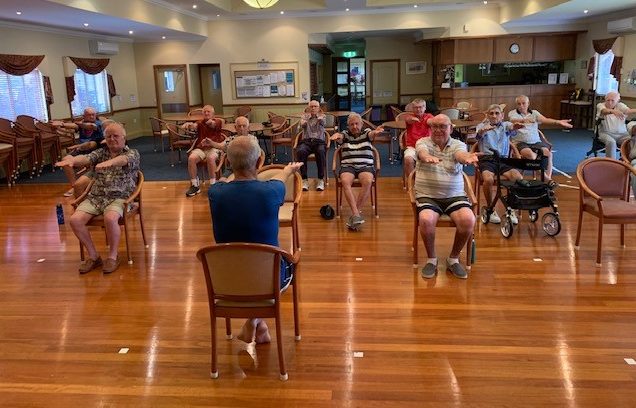
From here, the men’s exercise group was born. Every Tuesday morning, Marty leads a group of around 20 residents through a series of stretches and gentle exercises. The classes focus on stability, balance, mobility, concentration and coordination, and Marty has seen a huge improvement in some of the regulars.
“It gets the brain working as well as the body,” he says. “At the beginning, some of the men were a bit unsteady. Now, they’re like dancers in a couple of the exercises, and I can see their concentration and focus improving.”
The consistency of the exercise classes has also done wonders for the group’s motivation. “They used to get here at 9am on the dot, now they arrive 15 minutes early and stay for a cuppa afterwards,” Marty says.
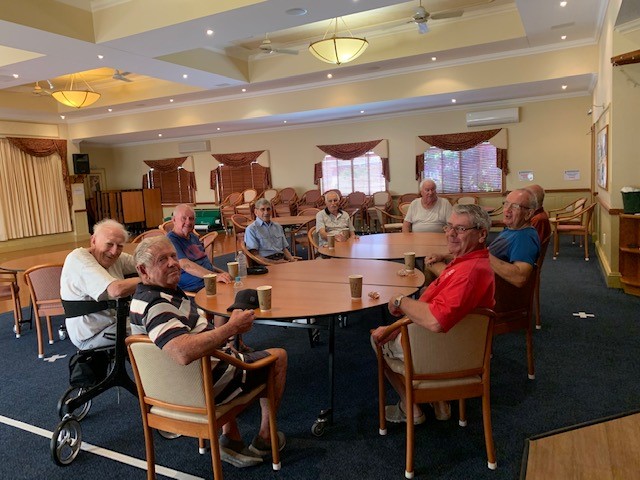
A couple of participants use walkers, and tell Marty that the exercises he includes are just like the ones prescribed by the physio. “They tell me they’re more flexible, and their concentration and mobility are improving.”
The class has been so popular that it’s now expanded to an additional class on Friday mornings, which is a more advanced session that is also open to women. While the residents get a great deal out of the mornings together, it’s clear that Marty does too.
“I just love it,” says Marty. “It’s all a giggle too. We have a bit of a laugh in the place. That’s all it’s about – mental health and physical health, that’s all I wanted to do.”
Marty’s top tips for getting started
1. The first step is the hardest. Exercise is as much of a mental game as it is a physical one, and it’s easy to talk yourself out of going. As Marty says, “the hardest part of coming to exercise class is going outside your front door. I say to the residents, ‘you’ve made the effort to get here, let’s do something about it. You’ve passed the hardest part.’” Do whatever it takes to make that first step, whether that’s setting a reminder on your phone, getting your clothes ready the night before, or arranging to meet a friend for coffee after the exercise class.
2. Make connections. “Group participation accounts for a lot,” says Marty. He recognises that a lot of people don’t want to exercise by themselves, so encourages finding a like-minded exercise group to join. If group exercise isn’t your style, find a friend, partner, neighbour or family member to exercise with. That way, you’ll find it much easier to stay accountable and stick to your goals.
3. Listen to your body. Residents at Wellington Manor are lucky that Marty runs an inclusive and welcoming class. “At first, people wouldn’t come because they didn’t think they could do it. But it’s not pushy here, people go at their own pace. I just tell them to do what they can.” Try to find a suitably welcoming environment, ideally with an instructor who’s used to teaching seniors. As Marty says, “I don’t know your body. You know your body. If it doesn’t suit you, stop.”
4. Make small and consistent changes. When Marty faced injury in the past, he knew he had to take his recovery slowly and gently build up the exercises over time. He applies this same philosophy to starting exercise after an absence, particularly if you’re over 65. “Start with a little walk in the morning or the afternoon,” Marty suggests, “and gradually build from there.” It’s better to start slow and set realistic goals at the outset. “Consistency is the key,” says Marty. “You’re better off setting weekly goals that you can reasonably achieve, not trying to do what you did 20 years ago.”
5. Find something you enjoy. There’s no point pounding the pavement if it hurts your knees or if it it’s just not enjoyable. Consider other alternatives you might prefer, such as swimming, Pilates, dancing, golf or yoga. If you can find something you love, chances are much better that you’ll stick to it.
6. Pace yourself. Understand that at first, exercise might feel like a chore. “At the start, it can feel like a burden,” Marty says, but eventually “you go from a burden to a willingness.” He estimates it might take 6-8 weeks for the body to start working better and to really enjoy the exercise itself. “But once you get to that point, you’ll start to get a rhythm of the body and routine. Then if you don’t go, you miss it.”
We’ve been inspired by Marty’s dedication to teaching his fellow residents at Wellington Manor, and hope his practical tips inspire you to get your body moving too.
Not receiving our Vitality monthly newsletter yet? Share your details below and we’ll send you monthly updates, helpful tips, and inspiring stories to support you on your retirement journey.
You might also be interested in:
Four days and ‘the right vibes’ change Hilton’s life
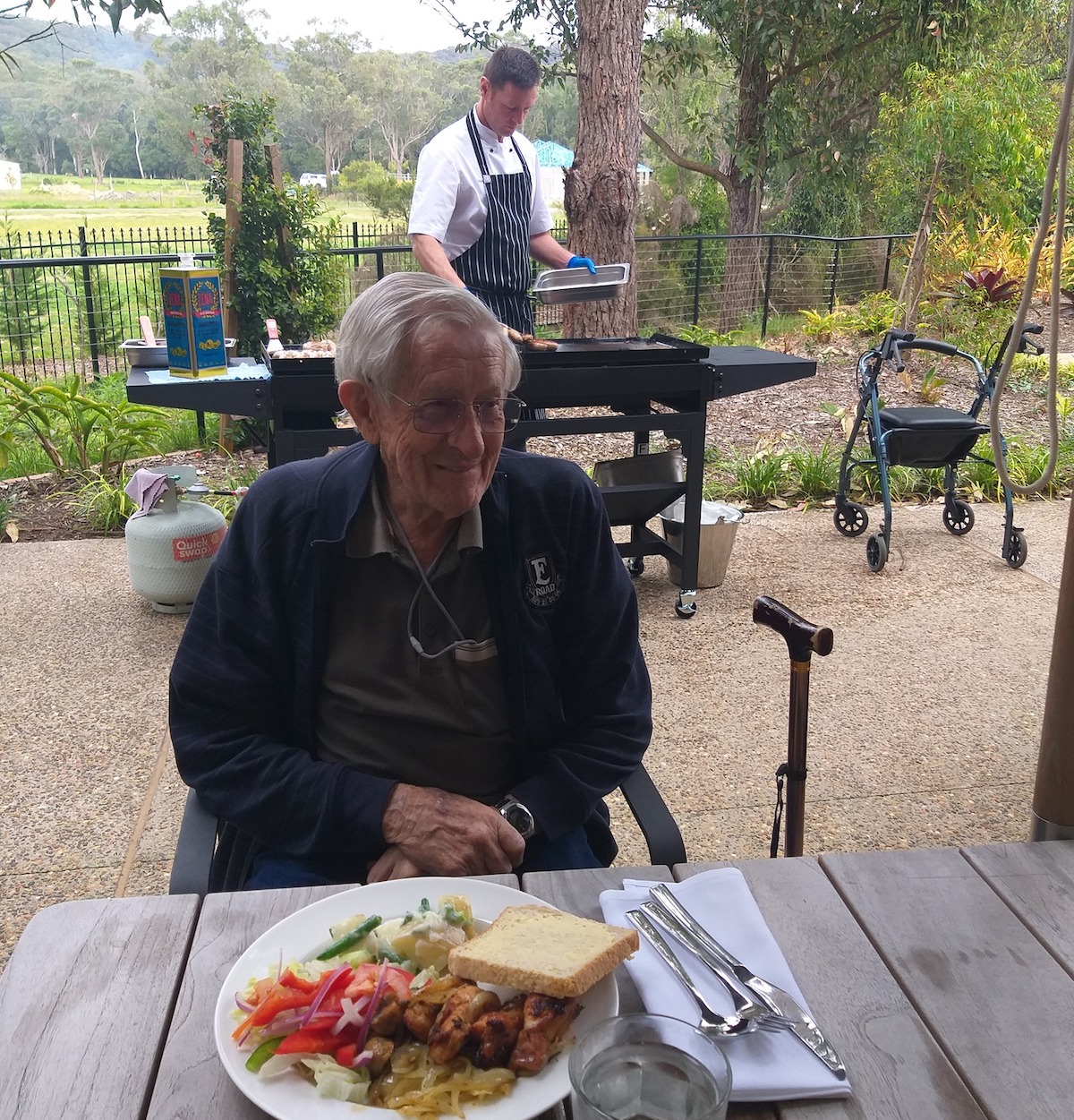
It’s nothing like traditional aged care. As a new premium and positive alternative, it’s setting a new benchmark on the Central Coast – as Hilton Scott, one of the newest residents has found.
Indeed, it took just four days to impress Hilton so much that he decided to go ahead and purchase his own apartment.
The care he has received, along with the “right vibes’’ within the friendly Glengara community, have truly been life-changing.
Respite is the perfect option for those who need a little extra care in the short term – perhaps to receive from illness, injury or a hospital stay – and it can also be used by those deciding whether to make Glengara Care their home.
Like a holiday close to home, you can relax and recharge while being looked after by our caring and experienced staff.
Hilton decided to try respite care after realising he needed some extra help in going about his daily life.
“I had been in and out of hospital and realised I couldn’t live alone anymore,’’ he said.
“My daughter suggested I try the respite care to see if I would like living at Glengara Care.
“I have been very impressed by the level of care and I decided to buy an apartment after only four days because I just felt it was the place for me. It had the right vibes.’’
Within no time, Hilton said the staff had become like family to him.
“I am happy with the level of personal relationships with the staff. They are like family. I haven’t seen that anywhere else.’’
“I would certainly recommend the respite care here to others, especially if they are trying to decide whether or not to go ahead and purchase an apartment here.
“The staff are friendly, happy and helpful and I have had a great experience here.’’
Now that he has made Glengara Care his home, Hilton said he loved that his apartment had been designed to enable him to entertain family and friends.
“I love that the grandkids can come and visit too and play outside in the sun,’’ he said.
What does respite care offer?
A respite care offering at Glengara Care includes a private and secure care apartment with your own ensuite and three nutritious meals a day. You can stay for as little as 14 days or up to six weeks. Your apartment is cleaned, linen changed and a load of personal laundry washed under two hours of care each week.
That’s more than 120 meals, at least six apartment cleans and loads of laundry you don’t have to worry about.
Our dedicated staff are on hand 24 hours a day and you can also receive assistance with showering, dressing, and medication. Additional care beyond the two hours per week is available on a fee for service basis.
As well offering extra short-term assistance, respite care can offer a break for both patients and carers – allowing them to rest and rejuvenate.
Respite care also supports social interaction for those who require high care and maybe at risk of feeling isolated in their own home.
Another drawcard is that you don’t need an ACAT assessment to move into respite – or purchase an apartment at Glengara Care – which means time-consuming paperwork and lengthy waiting lists are a thing of the past.
Want to learn more?
Visit our Glengara Care respite page for more information, or call our helpful staff on 1800 955 070.
Not receiving our Vitality monthly newsletter yet? Share your details below and we’ll send you monthly updates, helpful tips, and inspiring stories to support you on your retirement journey.
You might also be interested in:
Local dam expansion keeps Noyea Riverside water-wise

Noyea Riverside Retirement Village has significantly expanded the capacity of their own on-site dam, which now holds 650,000 litres, or an additional two months’ water supply. This allows them to be self-sufficient in maintaining their extensive gardens without any town water, quite a feat given the village grounds span 20 acres on the banks of the Albert River.
Dam levels in South-East Queensland fell during autumn and combined dam levels are now 64 per cent, a drop of more than four per cent compared to this time last year. Meanwhile, the average consumption per person has increased by about 10 litres per day.
Seqwater has urged locals to remain water-wise throughout winter, and residents at Noyea Riverside Retirement Village are leading the charge. Village Manager Darren Adams says the dam expansion will sustain the community of 177 residents well into the future.
“The dam is the only source of water that we use to irrigate the village grounds and gardens. We capture rainwater from 40 villas and this feeds into the dam,” he said.
“We estimate that by expanding its width and depth, we’ve added another 150,000 litres, or two months, to our water capacity. This is particularly timely during COVID-19 restrictions, when many people in the broader community are tending to their gardens and water usage has increased.”
Mr Adams said village residents are environmentally aware and very mindful of their water consumption. “The Body Corporate made the decision to expand the dam using resident funds, to shore up our water capacity, maintain our beautiful grounds, and reduce their water rates,” he said.
“As a community, we do a raft of other things to conserve water. In addition to the dam, our Head Gardener plants drought-resistant plants that require less water, and mulches often to keep moisture in the soil. We also fill our pool from our rainwater tank.
“In the 18 months I’ve been Village Manager, we got down to having about four days of water left in the dam. It’s satisfying to know that as a community, we’ve made an environmental decision to future-proof our gardens and help safeguard us in times of drought.
“The dam is one of the hallmarks of our village and our residents are very proud of the gardens. From the clubhouse, you have a picturesque view of the dam over the pool and the lush parkland.”
Noyea Riverside Retirement Village offers 149 independent living villas, each with a strata title. The one, two and three-bedroom villas are spacious and open plan, and offer a fully-appointed kitchen and bathroom, private courtyard and secure car parking. The village is home to a vibrant and social community and is set among beautiful parkland on the banks of the Albert River in Mount Warren Park.
ENDS
Social distancing brings unexpected benefits to Central Coast seniors
Local retirees aren’t letting COVID-19 get in the way of their community spirit! Despite over 70s being hit particularly hard by social restrictions and strong advice not to leave their homes, residents at RetireAustralia villages on the Central Coast are using a little imagination to have fun and stay connected while maintaining social distancing.
Between covert crochet surprises and impromptu patio performances, concerns about residents being isolated and cut off from loved ones during this period of social distancing have been put to rest.
Wood Glen Retirement Village Manager, Vanessa Fordyce, says despite unprecedented challenges facing the community, the residents’ resilience and support for each other has been remarkable.
“The unique challenges presented by the pandemic have also been the inspiration for some innovative solutions, with a range of fun and heart-warming rituals established in our community during lockdown.”
Wood Glen resident, 67-year-old Sue Thomson, has sewn herself a reputation as the local ‘Heart Bomber’, crocheting coloured hearts and hiding them all over the village to bring joy to older neighbours who are finding the lockdown a little tough.
“What I’ve been doing is crocheting little hearts and in the dead of night I sneak out and put them around the village,” she said.
“Some, I tie in the trees. Some I leave in the doorstep for people who live alone. Because if you’re over 70, you’re not supposed to be out, and you’re not supposed to have visitors, that can be lonely for people.”
At Forresters Beach Retirement Village, resident village crooner Geoff Grundy has taken his weekly Tuesday jam session to the streets, serenading the community with a bevy of classic hits from his front patio, as they indulge in a few ‘bevvies’ of their own during ‘Happy Hour’ in their driveways.
Forresters Beach Village Manager Julie Ramage has been astounded by the response from her community throughout the pandemic. “There has been an overwhelming desire from our residents to help out others in the village, and to just put a smile on each other’s faces. People have wanted to stay connected, look after their neighbours and ensure the village is still a fun place to be,” she said.
RetireAustralia villages on the Central Coast like Wood Glen, Forresters Beach, Tarragal Glen and Glengara have been doing their bit to make the lockdown easier for residents, performing regular wellbeing checks, providing assistance to access essential items such as groceries and medications and organising fun social activities which can be carried out at a safe distance.
“We know older Australians are vulnerable to social isolation and loneliness, and this can have a detrimental effect on their physical health, leading to sleep disruption, increased cortisol levels and elevated blood pressure. Particularly during this period of social distancing, we’re prioritising our residents’ mental health just as much as their physical wellbeing.
“We would ask everyone in the broader community to keep an eye out for their older neighbours, who might be isolated and lonely. Now’s the time to reach out to them, either with a call, a note, or chat over the fence. Our community is strongest when we work together and support each other,” Ms Ramage said.
Each of the four RetireAustralia retirement villages on the Central Coast in NSW offer a unique blend of stylish facilities and friendly staff, catering to an array of different lifestyles. From the sophisticated and elegant resort-style facilities at Wood Glen to the beautiful and contemporary lakeside villas at Forresters Beach, there’s a RetireAustralia community to suit all retirees on the Central Coast.
ENDS
Retirees at Drayton Villas won’t let a global pandemic take their sunshine away
Local retirees aren’t letting COVID-19 get in the way of their community spirit! Despite over 70s being hit particularly hard by social restrictions and strong advice not to leave their homes, residents at Drayton Villas Retirement Village are using a little imagination to have fun and stay connected while maintaining social distancing.
Between the ‘Daily Wave’ and 1980s-inspired exercise routines, concerns about residents being isolated and cut off from loved ones during this period of social distancing have been put to rest.
Village Manager Rachael McCarthy says that despite unprecedented challenges facing the community, the residents’ resilience and support for each other has been remarkable.
“The unique challenges presented by the pandemic have also been the inspiration for some innovative solutions, with a range of fun and heart-warming rituals established in our community during lockdown.”
What started as a quick morning loop around the village on her golf cart to check in on her residents has turned into a daily ritual. Affectionately nicknamed ‘The Daily Wave’, each morning at 9am, she is greeted by a chorus of residents waving her through the street, and occasionally, bursting into song.
“One morning, I was doing my usual rounds on the buggy and the whole street surprised me with a spontaneous rendition of ‘You Are My Sunshine’. It nearly brought tears to my eyes!
“There has been an overwhelming desire from our residents to help out others in the village. People have really wanted to stay connected, look after their neighbours and ensure the village is still a fun place to be,” she said.
“With the restrictions in place, many of our residents are missing out on their usual exercise routines. Whether that’s catching up for bowls, going for a dip in the indoor pool or playing a hit of tennis. So we introduced ‘Let’s Get Physical’, a quick and easy street-based exercise program to keep our residents moving while our community facilities are closed. Think Aerobics Oz Style for Seniors, but with the instructors in neon tutus!” said Ms McCarthy.
Village staff have also introduced ‘Wacky Wednesday’, a dedicated day for residents to get creative and release their pent up energy in an explosion of zany themes, including Crazy Sock Day, Wacky Hat Day, Pyjama Day and most recently, a 60s inspired ‘Distancing Disco’ on the street.
RetireAustralia villages like Drayton Villas have been doing their bit to make the lockdown easier for residents, performing regular wellbeing checks, providing assistance to access essential items such as groceries and medications and organising fun social activities which can be carried out at a safe distance.
“We know older Australians are vulnerable to social isolation and loneliness, and this can have a detrimental effect on their physical health, leading to sleep disruption, increased cortisol levels and elevated blood pressure. Particularly during this period of social distancing, we’re prioritising our residents’ mental health just as much as their physical wellbeing.
“We would ask everyone in the broader community to keep an eye out for their older neighbours, who might be isolated and lonely. Now’s the time to reach out to them, either with a call, a note, or chat over the fence. Our community is strongest when we work together and support each other,” Ms McCarthy said.
Drayton Villas has been an integral part of the local community for 27 years, and is the longest serving retirement village in Toowoomba. The village is well known for its community-spirited resident group, active social committee and award-winning gardens. The village brought home a ‘Highly Commended’ award in the 2018 Toowoomba Chronicle Garden Competition.
ENDS
Local retirees find moments of sunshine amidst COVID-19 isolation
Local retirees aren’t letting COVID-19 get in the way of their strong community spirit! Despite over 70s being hit particularly hard by social restrictions and strong advice not to leave their homes, residents at Glengowrie Retirement Village are using a little imagination to have fun and stay connected while maintaining social distancing.
Between treasure hunts, dress up days and a pop-up soup delivery service, concerns about residents being isolated and cut off from loved ones during this period of social distancing have been put to rest.
Village Manager Debbie Dean says that despite unprecedented challenges facing the community, the residents’ resilience and support for each other has been remarkable.
“The unique challenges presented by the pandemic have also been the inspiration for some innovative solutions, with a range of fun and heart-warming rituals established in our community during lockdown.”
“One resident recently discovered that a pumpkin vine had sprung up unexpectedly in her garden. That prompted a group to set up a pop-up delivery service, dropping home-made pumpkin soup to each of our residents. We’ve already got more than 100 takers who we will deliver soup to on Friday from the comfort of our golf cart, megaphone at the ready, dressed as a pumpkin and a chef!” she said.
Meanwhile, resident Catherine Beinke is also the village’s ‘Chief Sunshine Maker’. She has been crocheting little rays of sunshine, making more than 30 crocheted suns for a home-grown treasure hunt. The suns have been decorated with an assortment of faces and are hidden throughout the village for avid walkers to discover.
“There has been an overwhelming desire from our residents to help out others in the village and to just put a smile on each other’s faces. People have wanted to stay connected, look after their neighbours and ensure the village is still a fun place to be,” Ms Dean said.
Glengowrie residents have also been passing the time by planning regular dress up days. Residents who get in on the fun are rewarded for their efforts with a hand-made photo book the next day – a fond reminder of an otherwise challenging time.
RetireAustralia villages like Glengowrie Retirement Village have been doing their bit to make the lockdown easier for residents, performing regular wellbeing checks, providing assistance to access essential items such as groceries and medications and organising fun social activities which can be carried out at a safe distance.
“We know older Australians are vulnerable to social isolation and loneliness, and this can have a detrimental effect on their physical health, leading to sleep disruption, increased cortisol levels and elevated blood pressure. Particularly during this period of social distancing, we’re prioritising our residents’ mental health just as much as their physical wellbeing.
“We would ask everyone in the broader community to keep an eye out for their older neighbours, who might be isolated and lonely. Now’s the time to reach out to them, either with a call, a note, or chat over the fence. Our community is strongest when we work together and support each other,” Ms Dean said.
Glengowrie Retirement Village offers 114 independent living units and 23 serviced apartments to cater to a range of needs. Ideally located in the seaside suburb of Glengowrie, the village blends into its peaceful surroundings but is just moments from shops, services, public transport options and local attractions like Glenelg’s Jetty Road.
29 April 2020
Seniors' tablet use on the rise
What is a tablet?
Tablets are thin, lightweight devices that fall somewhere in between a laptop and a smartphone in terms of size and functionality.
Key features include:
- Large displays
- Cameras for taking photos and recording video
- E-book reader
- Internet connectivity
- Longer battery life
- Touchscreen keyboard
Tablets have found widespread popularity for their broad range of uses, which include:
- Web browsing
- Video calling
- Reading
- Email and messaging
- Video and music playback
- Social media
According to a 2015 survey of 2,000 Australians, 59% of households owned or had ready access to a tablet, up from 44% the previous year. With new and improved tablets in development all the time, this number is anticipated to rise even further.
What are the best tablets out there?
There are many different brands and models of tablet on the market, but choosing the right one for you depends on your individual needs.
Reading – If you’re looking for a device that makes e-reading easy, try an Amazon Kindle. Designed specifically for reading, these devices feature a glare-resistant screen with a great backlight and have long-lasting battery life to keep you going throughout long plane trips or hospital visits. You’ll also have access to over 4 million e-books through the Kindle Store.
Typing – When it comes to typing more than a quick email, many older people find it difficult to use the responsive touchscreen keyboard. Although more expensive than the average tablet, the Microsoft Surface Pro and similar 2-in-1 devices offer a fantastic physical keyboard that can detach or fold away when you don’t need it.
Travel – Whether you’ve caught the travel bug in retirement or simply want to take your tablet on the move, a great option that is both lightweight and durable is the Sony Xperia Z4 Tablet. It’s a bit pricey, but it’s also waterproof – perfect for summer days by the pool with the grandkids!
Budget – Retailing from just $49, the Amazon Fire is among the most affordable options for those seeking a starter tablet. This unbeatable price has a few trade-offs – a shorter battery life and a low-resolution screen – but if you’re on a budget, it may be well worth the sacrifice.
All rounder – When it comes to tablets that tick all the boxes, Apple iPads are a reliable favourite. Smaller models such as the iPad Air or iPad Mini provide excellent functionality with a lower price tag, while the pricier, more powerful iPad Pro is ideal for any seniors looking to save space with a tablet instead of a computer.
Whatever model you choose, be sure to shop around to ensure that you’re getting the best deal – major retailers can have price differences of up to $100!
How do I get started?
So, you’ve got your tablet – now what?
Most tablets are very intuitive and user-friendly, so follow the instructions to set up your device and have a play around to see what it can do. If you’d like some guidance, consider enrolling in a local class or following an online guide like this one.
Once you feel comfortable using your device, try browsing the app store to find some apps that interest you.
Here are some suggestions to get you started:
Skype – video call and message your family and friends with ease
Words with Friends – an addictive Scrabble-style game that lets you play with friends or strangers
Lumosity – keep your mind active and engaged with brain-training games
Netflix – easy access to thousands of television shows and movies for a low monthly fee
Audible – a terrific range of audiobooks right at your fingertips
With these tips, you’ll join the ranks of tablet-savvy seniors in no time!
Not receiving our Vitality monthly newsletter yet? Share your details below and we’ll send you monthly updates, helpful tips, and inspiring stories to support you on your retirement journey.