The term ‘aged care’ may bring some preconceived ideas to mind. Traditional care can feel very clinical. Bright lights, understaffed, shared bathrooms, unlockable doors, and lino two-thirds of the way up the wall. It’s easy to feel unsafe and forgotten.
There’s often no option to bring your own furniture, no ability to bring pets, no guarantee couples will be close by or even in the same facility, and little choice when it comes to how and when care needs are attended to.
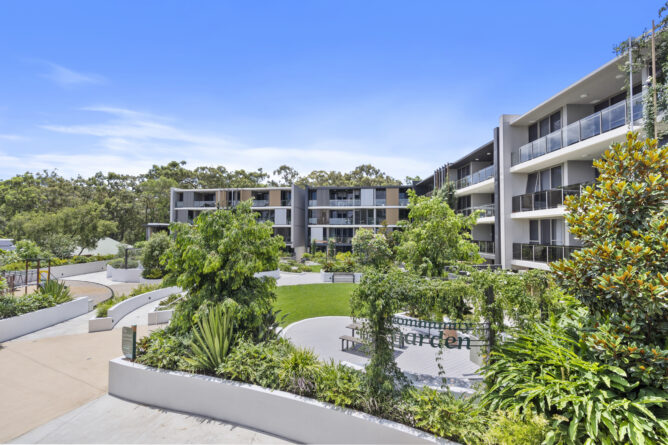
Glengara Care is different. It’s a premium, positive alternative to aged care and a place you’d be proud to call home.
Here are 3 reasons why:
1. Dignity to choose a life on your terms. The freedom to live it.
Glengara Care was conceived and constructed with quality of life and the wellbeing of residents as its core philosophy. This means Glengara Care residents can:
Move in as a couple
Bring your own furniture
Bring your pets
Cook your own meals (if you choose)
Have family and friends visit and stay
Lock your door
Choose the care you want, and when you want it
It’s designed to feel like home, a place where health and wellbeing can improve and where privacy, dignity and independence are valued. You have complete freedom to come and go as you please, to walk out onto your own balcony and explore life on your own terms without the stresses of daily chores weighing you down. We make it a priority to give you choice, and a promise to give you the best options to choose from.
2. Care and support tailored to you
Perhaps the major concern for older Australians when it comes to aged care is inadequate staff and care delivered on a roster that works for the facility but not necessarily for the individual.
Glengara Care heralds a new standard of private aged care unlike anything else available on the Central Coast by delivering an unmatched level of tailored care, as well as the freedom for residents to maintain their independence.
The difference at Glengara Care is a model led by a team of registered nurses and a team who are on-site 24 hours a day, so residents not only have the security of knowing the highest level of care is always on call, but also the comfort of being able to make it their home in every sense of the word.
We have highly trained staff and specialist equipment necessary for the individualised care of our residents to allow the freedom and independence they desire. If a resident wants to be woken and supported to dress and shower at 11am instead of 8am, for example, they can. The same goes for linen, cleaning, and supporting health services. We work with our residents and build their needs into a personalised care plan, and deliver care in a way that’s right for them.
3. Surrounded by a thriving community
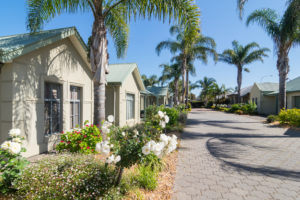
Glengara Care is nestled within the existing Glengara Retirement Village. The retirement village is well established, has beautiful grounds, a wonderful array of facilities, a thriving community and an active social calendar. In addition to the diverse menu of chef-prepared, high nutrition meals, social connection and community are vital ingredients for aging well, and provide residents with real health benefits. Below is an example of a weekly activities calendar.
The wellbeing of our residents is our number one priority. That’s why we integrate our high level, nurse-led model of care with regular opportunities for social connection and fun. Residents can spend their days out and about, enjoying the excellent village amenities and social calendar, engaging with residents in the Glengara Retirement Village and the broader community if they choose.
Resident’s yoga class
Experience the difference every day
The peace of mind of having access to high level care, the comforts of home, social connection and the autonomy to live life to the fullest is what older Australians deserve. The transition to higher care and support is a significant change, but the certainty, choice and care offered at Glengara Care makes things easier.
If you are interested in learning more about Glengara Care, contact our team on 1800 955 070 or enquire online to arrange a visit and see the difference for yourself.
Thirty-year celebrations for Toowoomba’s first retirement community
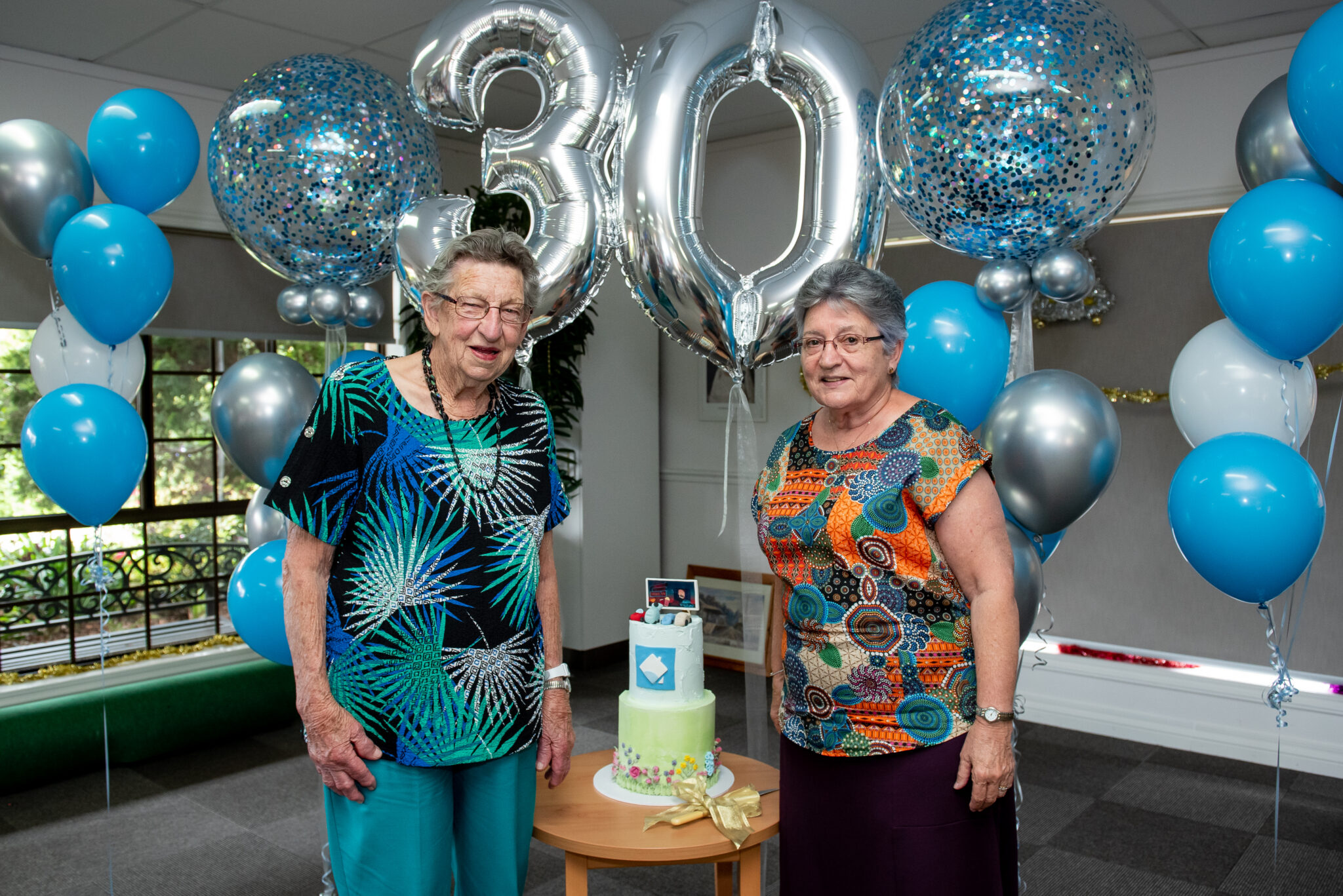
Grab your leather jacket and take a trip down memory lane with Toowoomba’s first retirement community, Drayton Villas Retirement Village, who recently celebrated its 30th anniversary.
Grab your leather jacket and take a trip down memory lane with Toowoomba’s first retirement community – RetireAustralia’s Drayton Villas Retirement Village – who celebrated its 30th anniversary this month.
To mark the milestone, the retirement village hosted an afternoon tea for its residents as well as a movie night, featuring the classic hit Grease, to pay homage to the popular old drive-in, Downs Drive-In Movie Theatre, which once operated on the site where Drayton Villas now sits.
Australian property developer and philanthropist Clive Berghofer, the brains behind the 125-home residential community development, was also in attendance along with past managers of the village.
Drayton Villas Retirement Village enjoy an outdoor movie screening of the classic hit Grease on a warm summer evening.
Fond memories
Resident Anna Althaus, 88, who moved into the retirement village 28 years ago, said Drayton Villas would always hold a special place in her heart.
“I was a dairy farmer back in the day and after a hard day’s work, I would take my children to the old-drive in where we would catch a movie,” Ms Althaus said.
“We always had a nice night out with the family, and we would do this a couple of times a week.
“Everywhere you look here, the memory of the earlier days is not too far away and that’s why I feel so special living here.”
Residents Joan MacGinley and Bev Teys celebrate Drayton Villas Retirement Village’s 30th anniversary.
The best place to be
Resident Rita Sheahan, 83, who moved to Drayton Villas 19 years ago, said it was the best decision she ever made.
“As an active 63-year-old back then, I enjoyed taking part in the many activities the village offered, such as swimming, tennis, table tennis, indoor bowls as well as the much quieter pursuits like cards, and Scrabble,” Ms Sheahan said.
“I was so busy my family complained I was never home for phone calls.”
Retiree, Meryl Tracey, 73, echoed Ms Sheahan’s sentiments.
Ms Tracey, who has lived at Drayton Villas for nine years, said there was never a dull moment at the village.
“There is something here for everyone and that’s the best part because you can be as engaged as you like or simply enjoy from the sidelines,” Ms Tracey said.
“You can be very happy in your retirement here. We are one big family at the village.”
A place to call home
RetireAustralia COO Simon Fawssett said the anniversary would also be a celebration of Drayton Villas’ carefree lifestyle.
“Over the past 30 years, Drayton Villas has developed steadily supporting residents lead independent and fulfilled lives within communities they choose to call home,” Mr Robinson said.
“We’ve always looked at ways to ensure our residents have the very best comforts to support their health and wellbeing whether that’s refurbishing existing buildings like our community centre, installing a new spa to our perfectly manicured gardens.
“RetireAustralia is built on creating a sense of place and a village where people live respectfully, healthily, independently and with purpose, and Drayton Villas is a testament of that.”
Drayton Villas residents Meryl Tracey and Anna Althaus with acting Village Manager, Michael McMullen; Regional Operations Manager, Scott Burton and RetireAustralia’s Chief Operating Officer, Simon Fawssett.
A close-knit community
Acting Village Manager Michael McMullen said he was proud to be part of the close-knit community.
“Drayton Villas has an incredible sense of community spirit, which is why the residents love being here,” Mr McMullen said.
“I am proud of what we’ve been able to achieve over 30 years – to take this village from just buildings to memorable homes for our very special residents.
“The village has been an integral part of the Toowoomba community for 30 years and will continue that way for many more years to come.
You can find out more about life at Drayton Villas Retirement Village here.
29 November 2021
A family favourite at Christmas
Michelle’s favourite recipe for the festive season is honey glazed ham. This simple recipe is best shared and enjoyed with family and friends – they will love it! This easy recipe will have everyone thinking you have spent hours in the kitchen. Why not give it a try this year!
This simple recipe is best shared and enjoyed with family and friends – they will love it! Minimal steps and ingredients make honey glazed ham a delight to prepare. The delicious buttery honey aromas coming out of the kitchen while it bakes will have mouths watering!
This simple recipe will have everyone thinking you have spent hours in the kitchen. The saltiness from the ham and the sweetness from the honey complement each other so well that you really don’t need anything else.
Juicy and succulent on the inside with crispy, sticky edges, honey glazed ham is the perfect dish for your Christmas table. Why not give it a try this year!
Easy Honey Glazed Ham
Ingredients
3kg bone in-leg of ham with skin on (also known as rind)
1 cup honey, plus additional to taste
Method
Step 1 –Pre-heat the oven to 180 degrees.
Step 2 –Place the oven rack in the lowest position and remove the other shelves.
Step 3 –To make clean up a breeze, double line your roasting pan or tray with foil or baking paper.
Step 4 –Remove the rind from the ham by gently running your thumb between the rind and fat. Pull back the rind carefully to expose the fat. You want to leave as much fat as possible to help make the glaze nice and sticky. Cut the rind off at the hock and discard.
Step 5 –Place the ham into the roasting pan. Using a pastry brush or a spatula, generously baste the ham with honey until evenly coated. Use as much honey, or as little as you like, to achieve your desired flavour intensity.
Step 6 –Place the honey coated ham into the oven and bake for 20 minutes until lightly golden.
Step 7 –Once cooked, remove the ham from the oven and leave it to cool before carving.
Step 8 –To carve, hold the shank firmly in one hand, while you cut slices from the ham with a sharp carving knife.
Step 9 –Arrange ham on a platter and serve with your favourite Christmas sides.
Step 10 –Enjoy!
What size ham?
A 3kg ham should serve approximately 6-10 guests with ample leftovers. When considering what size ham to buy, allow 250 grams to 300 grams of ham per person.
Serving suggestion
This dish is delicious, served hot or cold, and Michelle personally recommends a side of roast pineapple.
Of course, ham is such a versatile Christmas favourite and goes with whatever it is your family loves, whether it is traditional roast vegetables such as pumpkin, potatoes and Brussel sprouts, or a crunchy green salad and fresh bread rolls.
Leftover ham is perfect for the days following Christmas. You can turn it into a lazy lunch, a tasty salad, a heart-warming soup or a savoury pie – the ideas are endless.
Meet Michelle
Cook Michelle has been preparing meals for the residents at Boambee Gardens for several years.
When planning out the seasonal menu, Michelle takes the time to speak with residents to see if they have any special requests as she prefers to prepare meals she knows the residents will enjoy.
The best part of Michelle’s day is serving up the dishes she has prepared, and she takes great delight when the residents stop by the kitchen to tell her how much they enjoyed their meal.
Nobody can make grilled fish quite like Michelle. It is her speciality. Grilled fish is not usually on the menu but is often requested as an alternative dish by residents. While other team members can make this dish, Michelle has a special touch that can’t be replicated.
In her downtime, Michelle enjoys going fishing and spending time with her three beautiful children. Michelle also has a keen interest in crochet, a skill handed down by her Mum.
Whether Michelle is cooking for her RetireAustralia family or her own, knowing everyone is enjoying their meal is something that Michelle treasures.
On Mother’s Day in 1988, Joan and Ray Walpole took a day off from tending to their 120-acre farm in Kulnura to take a look at the plans of ‘Tarragal Glen’, a new retirement community being built on Terrigal Drive in Erina, New South Wales. Before too long, they snapped up Villa 7 “off the plan”, moving in a year later and becoming beloved pioneers of this soon-to-be bustling retirement community.
Fast forward 32 years, and with numerous new villages to choose from on the Central Coast, daughter Diane and her husband Dave also decided to call Tarragal Glen their home for the next chapter of their lives.
Find out what drew Diane to follow in her mother’s footsteps.
Pioneers from the farm to the village
Joan and Ray Walpole on their family farm in Kulnura.
After 45 years tending to their family farm in Kulnura, stiffening joints meant it was time for 71-year-old ex-serviceman Ray and 66-year-old Joan Walpole to take a step back from the physical, and often emotional, demands of life on the land.
So, when son-in-law Dave Merchant suggested they take a look at plans for a new retirement community down in Erina in 1988, Joan and Ray willingly took up the offer. And according to a memoir Joan wrote in 2016 about her life in Tarragal Glen, “We liked what we saw”.
After purchasing Villa 7 off the plan, the Walpole’s left the farm in the capable hands of daughter Lorraine and her husband, Rodger, and moved into the village in the summer of 1989.
As two of the village’s earliest residents, Joan and Ray were pioneers in the community, watching on in earnest as the village grew from a handful of villas to the hive of activity it is today.
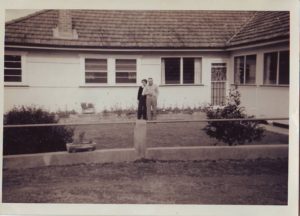
The first photograph ever taken of Joan and Ray Walpole at Villa 7.
“Mum and Dad were there when the village was really taking shape. Over the years, they saw the Manor and Country Club being built and, being some of the first residents to move in, the community really flourished around them,” said Diane.
And it wasn’t just the village that blossomed during their stay. To Diane and Dave’s surprise, the adjustment from farm to village life wasn’t as difficult for Joan and Ray as they had imagined, noting that Diane’s father really embraced his new life at Tarragal Glen.
“Ray liked having people to talk to after so many years on the land. Life on the farm was tough and he enjoyed being able to socialise with others every day, not just on the weekend or special occasions,” said Dave.
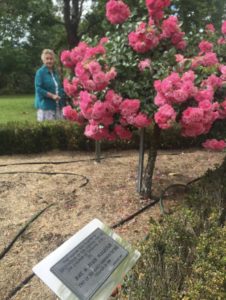
Joan stands beside her flowering rose garden.
The Walpole’s shaped much of what Tarragal Glen is today. Ray played a pivotal role in beautifying the gardens before he passed away in 1999, while Joan was often the life of the party, spending 13 years on the social committee. But their collective legacy is the exquisite rose garden, adorned by a special plaque commemorating their contribution to this picturesque pocket of the village.
A cherished dignitary at the village’s 10th, 20th and 30th anniversaries, Joan Walpole was one of Tarragal Glen’s longest-standing and most beloved residents; enjoying life in Villa 7 until mid-2020 when she spent a short time in hospital before moving into higher care and, sadly, passing away in March 2021 aged 98.
“Some people, when they get to that age, there’s nobody at their funerals as all their friends have passed away. But there were so many wonderful friends and family of all ages there. It just shows the impact she had on everyone she met,” said Diane.
While Joan’s passing closed the chapter on an incredible 31-year residence at Villa 7, it wasn’t long before another Walpole was to walk through the gates of Tarragal Glen.
Following in Joan’s footsteps
Diane and Dave Merchant had been mulling over moving into something smaller for a little while. Having lived in their family home in Narara, a suburb of Gosford, for 48 years, they were ready to down tools on home maintenance and start a new chapter of their lives that didn’t involve a whipper-snipper.
But when Dave was unexpectedly diagnosed with mesothelioma in 2020, the couple had to speed up their future planning and began researching retirement communities in their area. After touring some of the local villages, Diane and Dave began to feel a little disheartened.
“We did our research and looked at quite a lot, but they all seemed very old and dreary. They just weren’t the right fit for us,” said Diane.
With Dave’s diagnosis in the back of their minds, the couple were looking for a new home that was big enough for two, without being too much upkeep for one. A place where they could enjoy life together, make new friends and get involved in the community, knowing care and support would be available if or when they might need it in the years ahead – from both village staff and neighbours alike.
Diane and Dave were no strangers to Tarragal Glen. The couple had been regulars at the village for over 30 years, visiting Joan and Ray weekly; from cuppas at their villa to celebrating their 50th wedding anniversary at the lavish Country Club.
While they weren’t specifically looking for a larger villa like Joan’s, Diane decided to give the team at Tarragal Glen a bell ‘just to see’ what was available.
Even though the pair had done many laps around the grounds, they hadn’t spied all the independent living units scattered throughout the village.
“Jason from the sales team, who knew Mum quite well, was extremely helpful and spent time showing us all the various options. We actually didn’t realise they had so many independent living units here which were surprisingly large. It was the perfect solution for us. He also showed us Mum’s refurbished Villa 7, which was very thoughtful of him.
“Tarragal Glen is a light, bright, welcoming and well-established village. The gardens are lovely and the atmosphere is lively,” said Diane.
“It’s certainly not dreary!” added husband Dave.
“We know Mum and Dad lived a wonderful life in this community. We were fortunate enough to see that with our own eyes. When it comes down to it, that’s what we’re looking for as well,” said Diane.
Continuing a legacy
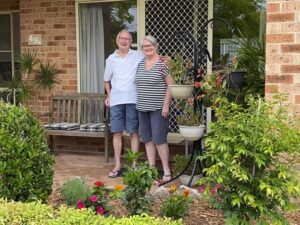
Diane and Dave Merchant in front of their new home at Tarragal Glen.
Sadly, Joan passed away before she knew Diane and Dave had made the decision to move into Tarragal Glen.
But as Diane and Dave begin to settle in to village life, they’re able to take solace in the little reminders of Joan and Ray that are dotted around the grounds.
“We often pass the rose garden on our afternoon walks through the village, which is a fond reminder of Mum and Dad’s love for this place.
“And now that the lockdown has ended and social events have started in the village again, we are continuously meeting people who introduce themselves to us and who knew Mum when she was here. It’s very special to hear stories of her life as we settle into our new home,” said Diane.
As the saying goes, ‘Mother knows best’ and when it comes to retirement living, this has certainly been the case for Diane.
In Joan’s memoir, she fondly remarked that “A retirement village is what you make it”.
As the second generation of Walpole’s to walk the beautiful grounds of Tarragal Glen, Diane hopes to continue her legacy and make her retirement experience just as special as her Mum’s.
Find a community to make the most of your next chapter of life
Choosing where to live in retirement is a big decision and to make an informed decision there are a few key factors you should consider, from your finances to family and friends and location.
No matter where you choose to live in retirement, we can guarantee the answer will look different for everyone. With more options than ever before, it’s worth thinking about how you want to shape your next chapter.
To help you make an informed decision, we have outlined a few key factors you may want to consider when choosing the next place you wish to call home.
How to decide where to live after you retire
There are many important considerations when deciding where to live during your retirement years, here are just a few.
Financial
Before you decide exactly where you want to live in retirement, it’s a good idea to take a close look at your finances. A budget can help you identify exactly what funds you have available.
Income – Be sure to include any income from your super or pension and detail all of your living expenses. Putting it all on paper should provide you with a clear picture of the funds you have available and how much you will have leftover to spend on the things you enjoy.
Expenditure – It is also worth considering the cost of living in your desired location. For example:
If you choose to stay in the family home, have you factored in additional funds for maintenance, repairs, and accessibility modifications?
If you are considering downsizing to a townhouse or apartment, you’ll need to factor in ongoing body corporate fees.
And, if you are thinking about moving into a retirement village, you will need to factor into your budget the entry fee and monthly service charges.
At RetireAustralia, we’re transparent about the cost of living in our retirement communities and residents have certainty about your financial future. So from the day you move in, you will know what you will need to pay and the lifestyle, care and support you can expect, making it easier to factor this into your budget. You can take a look here.
Before you make any big decisions about moving, we recommend that you speak to a financial advisor.
Friends and family
When planning where you want to live in retirement, factor in how close you would like to be to your friends and family.
If you already live close by, you may want to continue living locally, making it easier to maintain your existing social connections and spend quality time with the people who matter most to you.
If you no longer live near family and you wish to spend more time with them, now might be the right time to consider moving closer.
Care and support
Whether we like it or not, most of us will require some assistance as we get older, and we know having the right level of care and support is key to maintaining an independent lifestyle and quality of life. If you are looking to stay in your own home, you may want to explore what medical facilities are available in your local area and how easily you can access them.
If you are looking at living independently in a retirement village, have you thought about what you will do if ever need more support? Can you access in-home care services? Would you have the option to transition into a serviced apartment within the same community?
In RetireAustralia villages, we have a range of care and support options available to help you stay living an independent, active life in your own home – both now and in the years ahead.
Location
When choosing exactly where to live in retirement, the best approach is to decide on a spot that will be the best fit for your lifestyle and the things that mean the most to you. Do you want to live in the city, or would you prefer the county, or maybe even an idyllic bayside setting?
No matter where you choose to live, you’ll also want to consider if the location is:
close to family and friends
near public transport
close to local amenities like supermarkets, health care facilities, shopping and social hubs
in a familiar suburb
close to your hobbies and interests.
From city to county to coast, RetireAustralia has a diverse range of communities to cater for different needs and preferences. You can view our communities here.
Liveability indicators
When considering where to live in retirement, there are a range of factors that support quality of life and make places more or less liveable. It’s worth working out which ones are important to you and ensuring you have researched these in the location you are considering for your retirement years. These include:
the weather
crime rates
quality hospitals and medical facilities
good internet connection
recreational activities
parks, gardens and green spaces.
Thinking about moving into a retirement village?
Retirement villages are a common and popular retirement living option in Australia. They are especially popular with singles and couples aged over 65 who want more security and support while living independently.
Retirement villages have a range of living and care options suited to different stages of life. Whether that means living independently in a villa, receiving daily support in a serviced apartment, accessing flexible home care services in your home, or recovering from illness, injury, or a hospital stay in respite care.
In a retirement village, you can enjoy the privacy and space of living in your own home without the worry of day-to-day property maintenance or gardening, giving you more time and the freedom to do the things you enjoy.
Another major feature of retirement village living in Australia is the sense of community, with residents creating an informal support network and social groups.
Residents in a retirement village have access to a range of facilities, activities and social events. The amenities in each retirement village vary and can include a library, swimming pool, gym, barbecue area, bar, and a community centre, to name a few. Village amenities can satisfy whatever it is that sparks your interest, and you can participate in as much or as little as you like.
Living in a retirement village can provide you with the added peace of mind that should you ever need extra support, you can access to flexible care and support, helping you stay safely in your community for longer.
Have any questions?
We hope you found this information useful and that you are feeling more confident about making a decision on where to live in retirement.
If you have any questions about retirement village living, please don’t hesitate to give one of the friendly RetireAustralia team a call on 1300 687 738. We would love to hear from you.
Find your nearest community and book a tour today!
Feline friends make life better for Glengara Care residents
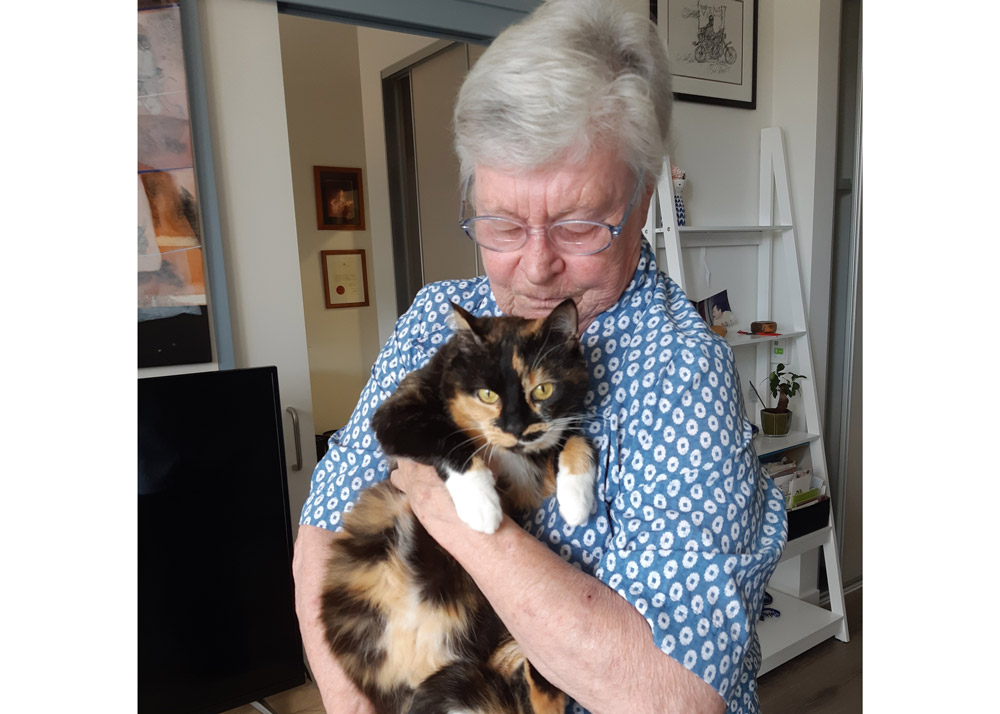
Two tortoiseshell cats are living their best lives at Glengara Private Aged Care in Tumbi Umbi with their owners Joan Simpson-Morgan and Elly Buchanan.
The pampered felines are so far the only fur residents at the $35 million, 70-apartment care facility but more are expected to move in with future residents encouraged to bring their furry friends with them.
Glengara’s care manager Suzanne Bosworth said pets were a welcome addition to community life at the village.
“Owning a pet in your senior years can help improve your mood, increase your socialisation and keep you active,” she said.
“We know how special the bond is between pets and their owners and we’re proud to offer our residents the choice to keep their best friends near as their care needs change.”
Deciding factor
For Joan, the ability to bring her beloved cat Lucy with her was one of the major deciding factors in her choosing Glengara Care after living in Erina for 25 years.
Glengara Care diversional therapist Lauren Winstanley said residents being able to bring their pet with them helped make the transition that little bit easier.
“It’s also about maintaining some independence in the choice of keeping their pet and being able to care for it,” she said.
Joan said Lucy was very laid back, snuggly, social and affectionate.
“She loves going into the courtyard and being spoilt rotten by the staff.”
Glengara Care resident Joan and her cat Lucy.
While Lucy spends a lot of her retirement lazing on the couch, Joan has embraced a more active lifestyle, participating in social activities.
Fellow resident Elly Buchanan, 78, has had her cat Puss-Puss for eight years after adopting her from the pound in Wyong. Happy that Puss-Puss was allowed to join her at Glengara Care, the pair moved into the facility in May 2021.
Elly said Puss-Puss loved watching the world go by from the veranda of her care apartment.
“She’s a smooch and very friendly once she gets to know you. We have lots of cuddles,” Elly said.
Health and wellbeing benefits
Ms Winstanley said there were great benefits for residents who can have their pet with them at Glengara Care.
“Being an animal lover myself and the fur-mum of two crazy dogs, I know that having pets are great for easing anxiety and stress,” she said.
“I can’t think of anything worse than having to leave a pet behind because circumstances have changed and you’re unable to live without assistance anymore.
“There are also the physical benefits. It’s been scientifically proven that pets reduce blood pressure, fatigue and confusion while boosting enthusiasm, physical activity and social wellbeing.”
Why choose Glengara Care?
Glengara Care by RetireAustralia is a premium and positive alternative to aged care located within the existing Glengara Retirement Village on NSW’s Central Coast.
Glengara Care Apartments offer the privacy of a separate bedroom, lounge area, bathroom and kitchenette, with views to the internal atrium and rural landscape.
Meals are prepared by professional chefs and the care team is on hand 24/7 to meet the needs of residents, including an emergency response team and high level day-to-day support and clinical services.
Residents also benefit from access to Glengara Retirement Village’s wide range of existing facilities and activities, including expansive gardens, a bowls green, gym, cafe, private treatment rooms, bar, swimming pool and beauty salon.
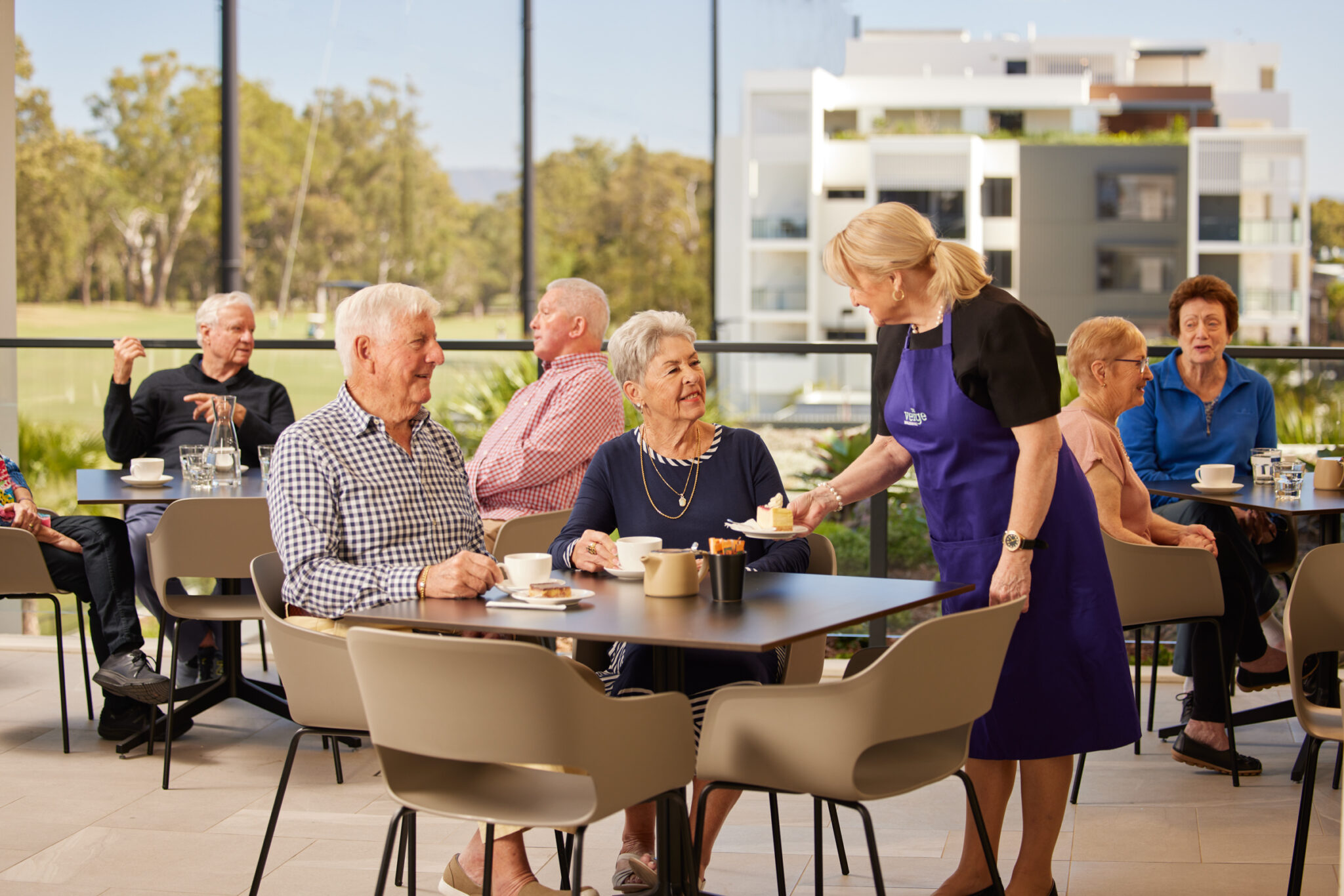
Situated just minutes from the beach and public transport with incredible views of Burleigh Golf Course, The Verge suits them to a tee.
“We spent the last 12 years in different over 50s resorts. The most natural next step for us was moving into a retirement community,” Elaine said.
They were among the first residents to move into The Verge retirement community in April and don’t ever plan on leaving.
“Location got us in, but we have been impressed with everything,” Elaine said
“We have a three-bedroom unit that really suits us and we have no intention of moving.”
While location was the main drawcard, the Hulmes were also attracted to The Verge’s secure community, wonderful facilities and beautiful, modern apartments.
“What The Verge offers is security and friendship in a great location.”
“We have made some really good friends. We love the community feeling,” Elaine said.
The Hulmes have registered for aged care services for the future, and knowing they can access these services in their own home at The Verge gives them peace of mind.
Elaine says the village also has everything they need for day-to-day living.
“We have a gym and I participate in tai chi, yoga and dance which is great,” she said.
“We can also walk out of here, down the path and into the golf course and have a drink or a meal.”
The Hulmes are regulars at the village’s Tee House café and enjoy utilising the nearby bus service when they feel like venturing out for a bite.
“If we want to go to Burleigh Heads or Broadbeach for lunch, instead of trying to find a car park, we often catch a bus,” Elaine said.
Elaine said it was also nice to have access to the village’s minibus that makes regular trips to places like the botanical gardens, Mount Tamborine and the art gallery.
Interested in finding out more about The Verge? Book a Covid safe appointment with our friendly sales team by clicking here or call us on 1800 955 070.
As we age, we might start forgetting places, names, appointments and start losing things. Don’t worry, this is normal. However, if memory loss is ongoing and continues to worsen, it might be a sign of dementia.
What is dementia?
Dementia is not a single disease, it’s an overall term – like heart disease – for medical conditions that cause loss of memory, language, problem-solving and other thinking abilities that are severe enough to interfere with daily life.
Unfortunately dementia cannot be prevented and there is no known cure, however research suggests that by adopting a healthy lifestyle and keeping your brain active, you may be able to reduce your risk of getting dementia and/ or delay the onset of dementia.
How to reduce your risk of developing dementia?
When it comes to dementia, there are some things that you cannot control, like getting older, genetics or your family history. But, by changing your health and lifestyle habits and looking after your heart, body and mind, you may reduce your risk of developing dementia or delay the onset of symptoms.
5 tips for keeping your brain healthy and active
1. Boost mental activity
Your brain is similar to a muscle. For it to work, you need to exercise it frequently. There are many activities you can do to keep your brain sharp and active. Some examples include reading, crossword puzzles, woodwork, cooking and using technology. Why not try out a new hobby?!
Retirement villages are a hub of social activity and can satisfy whatever it is that sparks your interest, so it shouldn’t be hard to find a new hobby to try.
Tip: Choose a variety of activities and do them regularly.
2. Exercise regularly
Exercise not only makes you feel good but it also increases blood flow to the brain, helping to improve your memory and brain function. Regular exercise may even help you sleep better.
“Exercise totally improved my quality of life. If I didn’t do it, I wouldn’t be where I am today.” Marty, resident at Wellington Manor.
Tip: Aim for 30 minutes of exercise each day.
3. Eat well
Did you know your brain needs a range of nutrients to function? Eating a well-balanced diet can improve your concentration and also help prevent a wide variety of health conditions.
Selected RetireAustralia villages provide freshly prepared meals as part of our care offering. Our chefs work hard to deliver balanced and delicious food that meets the nutritional requirements for older Australians, making it easy to eat well.
Tip: Include plenty of fresh fruit and vegetables, nuts and fish in your diet.
4. Plenty of rest
Sleep is important for brain health. It helps to keep you feeling fresh, it restores clarity, improves memory, and reduces stress. To help create a good sleep environment, avoid having a TV in your room and avoid unnecessary lights such as an electronic alarm clock.
Tip: Aim for 7-8 hours of interrupted sleep each night.
5. Participate in social activity
Social interaction helps to improve our wellbeing and reduce feelings of loneliness or depression. It may also assist in reducing the risk of cognitive decline. Therefore, it is important to seek out meaningful opportunities to connect with others.
A major feature of retirement village living in Australia is the sense of community, with residents creating an informal support network and social groups, providing ample opportunity to connect with a like-minded community.
Tip: To connect with others, consider saying hello to your neighbours, calling family or friends or join a social group or activity that you enjoy.
When you should be concerned?
When changes in memory or thinking regularly affect daily life, you may need further support. Changes might include:
trouble remembering the day and date
trouble remembering recent events
problems handling financial matters
difficulty following and joining conversations, particularly in groups
losing interest in activities you usually enjoy.
What do you do if you are concerned?
RetireAustralia’s Regional Care Manager for SA, Lisa Wood, says family and friends often notice subtle changes in their loved ones several years before a formal diagnosis. These changes could include having trouble finding the right words, forgetting familiar names and objects difficulties in their ability to undertake everyday tasks.
If you, or someone you know, are frequently experiencing changes in memory or thinking that affect daily life, we recommend that you check in with your doctor.
After more information?
For more information on dementia and keeping your mind healthy and active, visit the Dementia Australia website.
Looking for a community that’ll keep your brain healthy and active?
Finding a community with the care that 92-year old Norm needed and the independence that Margery desired seemed impossible. But to their surprise, the answer was 15-minutes away.
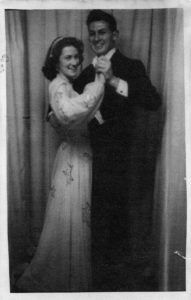
Margery and Norm strike a pose after taking out the bronze medal in a ballroom dancing competition in 1949.
As a vivacious young dancer, Margery Ross was quite literally swept off her feet by the strapping Norm Strickland, who waltzed into her life when they were paired together in a ballroom dancing competition.
The rest, as they say, is history and the couple were married in 1951 and had three children; a son Steven, who sadly passed away at only 10 weeks old, daughter Alison and son Brett.
Fresh into their 70’s, Margery and Norm decided it was time to call it quits on the endless upkeep that went hand-in-hand with home ownership. The maintenance on their home in Ridgehaven was becoming a nuisance, and – for a couple that had experienced both love and loss in their time together – they knew life was too short to spend every Sunday mowing.
The Mixed 4-Tunes and a Green Thumb
After taking a spin around their local area, they came across Tea Tree Gardens Retirement Village. From Tai Chi to Aqua Aerobics to Croquet to Marching Club, Margery and Norm were blown away by all the activities on offer.
And before they’d even switched on the kettle, the Stricklands had dived headfirst into village life.
“Dad was President of the Neighbourhood Watch and on the Resident’s Committee and Mum was the treasurer for the monthly bus trips and a member of the Garden Club.
“Dad also set up a barbershop quartet called ‘The Mixed 4-Tunes’ who performed for the community and were so popular they were hired for other functions outside the village as well,” said daughter Alison.
The Mixed 4-Tunes in action.
Time to make a change
After sixteen years living life to the fullest at Tea Tree Gardens, Norm’s health began to slowly decline. Day by day, it was becoming harder for him to zip around the village like he used to and Margery began to struggle to provide the care Norm needed.
The family knew it was time to make a change.
Norm was adamant he didn’t want to move into a nursing home, but understood his care needs were gradually becoming too much for Margery to manage on her own.
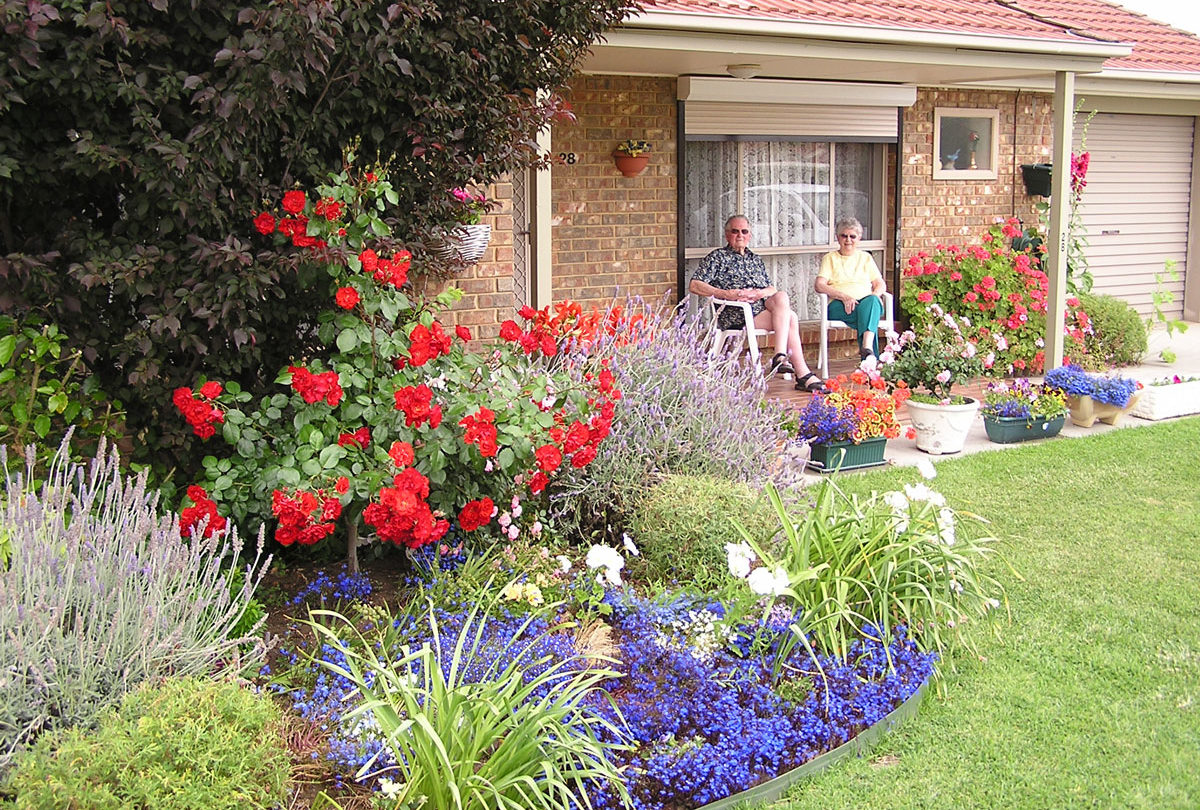
Margery and Norm outside their home at Tea Tree Gardens Retirement Village.
The couple sat down with their daughter Alison to discuss their options. For Margery and Norm, the most important consideration was the ability to stay as close together as possible. The prospect of living in different postcodes after 64 years of marriage was simply out of the question.
Like many family members supporting their loved ones through this next chapter of life, Alison spent many hours researching care options close to her own home. During her search, she came across Magill Retirement Village, also operated by RetireAustralia.
“I did a lot of research, mostly around the Magill area as we wanted something close to where I live. I drove Mum and Dad around and we all liked the look of Magill. It’s a very pretty village, and they really liked that,” said Alison.
Looking closer into the nuts and bolts of the village, Alison found that Magill offered residents the option of serviced apartments, independent living units, as well as independent ‘flexi’ units. Magill Village Manager, Debra Grant, explains,
“We’re very fortunate at Magill to be able to offer a range of living options to our residents.
“Our independent living units allow residents to be fully independent or utilise our services and homecare packages, while our independent “flexi” units are located close to the care centre, are a little smaller to look after and you have the option to receive assistance with meals, services or homecare packages, or be fully independent.
“Finally, our serviced apartments offer all support services for daily living and care under the main roof, with staff always close at hand,” said Debra.
Digging further, Alison also discovered that staying within the RetireAustralia family of villages meant that Margery and Norm didn’t have to pay an additional exit fee at Magill after moving from Tea Tree Gardens.
This meant the family could afford both a serviced apartment for Norm and an independent flexi unit for Margery – the perfect solution to accommodate Norm’s higher care needs without Margery losing her independence.
Plus, the village was only a short three-minute drive from Alison.
“We didn’t want Dad to move into a nursing home – and frankly, he didn’t want to either. He wasn’t that bad at the time. It was more his mobility than anything else. Not having the exit fee meant we were able to secure both accommodation options for Mum and Dad – that was crucial in our decision-making,” said Alison.
Not only was there financial benefit to moving within RetireAustralia, but the familiarity of village life in a RetireAustralia community was also important to Margery and Norm. The faces around the village may have changed, but the genuine care and compassion for the couple remained.
The comfort of knowing help is at hand
After twelve months spending time with Margery in the comfort of his serviced apartment, Norm sadly passed away in 2016.
After Norm’s passing, Margery decided to remain in her own unit, receiving assistance from RetireAustralia’s Home Care team after becoming eligible for a government funded Home Care Package in early 2020.
But as the years went on – and her own health needs became more pronounced – Margery began to feel a pang of loneliness and vulnerability living alone.
Finding the single serviced apartments too compact but wanting the comfort of knowing help was closer at hand, Margery was conflicted about making the move into the care centre. But fate showed its hand when a double serviced apartment became available in April 2021 – one half being Norm’s former apartment where they shared precious memories before his passing.
“That was what really made me decide to move into the care centre. I was going into the same room as him. It was very appropriate and comforting. I moved in as if it was just another room in our house really,” said Margery.
Both Margery and Alison agreed that having your higher care needs met in the community you already call home helps make life a lot less stressful,
Margery and daughter Alison share a laugh together in her serviced apartment at Magill.
“Once Mum saw how it worked here, she always said, ‘When I need to – I really want to go into the care centre rather than a nursing home’.
“Having the ability to move from an independent unit to higher care within the one village is fantastic. There is no change of staff, no change of where you are. Your local community, the shopping centre, the people around you, they all remain the same. And that familiarity takes the stress out of what can often be a very stressful time of life,” said Alison.
“Alison said that as exactly as I would have if I were younger!” Margery chimes in,
“I’d be lost without her.”
Care that moves in harmony with the tide of life
From their starry-eyed first dance to their last, Margery and Norm were a dynamic duo that spent their days lapping up all life had to offer. For almost 17 years, the couple laughed, loved and lived across two retirement communities, with care and support that moved in harmony with the tide of their lives.
As their health ebbed and flowed, they were able to access the care they needed in the comfort of their own homes and the familiar surrounds of their beloved communities.
Something that, at 92 years young, Margery reflects on fondly,
“Our time at Tea Tree Gardens was fantastic, it was the perfect lifestyle for Norm and I. And here, in my serviced apartment at Magill, I can happily sit and enjoy life at my own pace knowing help is there when I need it. The staff are wonderful. Honestly, I wouldn’t do anything but live in a retirement community.”
Find a community where you can enjoy life knowing help is close at hand
Home Care is a banner term for care and support that helps individuals to continue to live independently in their home.
Understand the services it can include, costs, and how to access a Home Care Package.
Let’s be frank, most of us want to live, age, and die in our home and community. Whether our home is our longstanding family home, a downsized townhouse or apartment, or a retirement village, being surrounded by the people we love in familiar surroundings throughout our life is something most of us desire, and possibly take for granted.
So if there comes a time when you find it harder to do the things you’re used to, getting some help at home could be the answer. It’s important to know that needing help doesn’t necessarily mean that the next stop is a nursing home. Needing help doesn’t mean losing your independence, in fact it’s quite the opposite.
If you want to maintain your independence and continue to do the things you love, Home Care could be an option.
What is Home Care?
Home Care is a banner term for care and support that helps individuals to continue to live independently in their home.
Home Care will look different for different people. It may mean help with daily tasks like shopping, cooking and cleaning. Or it could mean help with personal care like bathing, dressing and getting in and out of bed. It could mean nursing care to help with managing a health condition or recovering from an illness or surgery.
The cost of Home Care services can be Government or privately funded.
What services can Home Care include?
As we age, many of us find that we would benefit from some help to keep us doing what we love and living an independent life. Home Care includes a full spectrum of care and support provided to you in your own home – from help with cleaning and meal preparation all the way through to nursing care.
Home Care is flexible and tailored to exactly what you need, when you need it.
Getting Home Care can enable you to continue to live independently in your own home for as long as possible .In fact, many of our retirement village residents tell us that accessing Home Care has improved their health and helped them maintain their independence.
Home Care Packages cover a variety of services that fall into three categories:
Services to keep you well and independent
Personal care to help you maintain your personal hygiene and grooming standards. This can include things like help with showering, dressing and reminders to take your medication.
Nursing services to help you treat and monitor medications at home. This can include things like wound care, some medical tests, and health and other assessments.
Allied health and therapy services to help you maintain your movement and mobility. This can include things like speech therapy, podiatry and occupational theraphy.
Food and nutrition to help you eat well. This can include help with meal preparation and meal delivery services.
Service to keep you safe at home
Cleaning and home maintenance to help keep your home clean. This can include help with cleaning, laundry, ironing and evening light gardening.
Minor home modifications to help you move safely around your home. This can include the installation of easy access taps and grab rails in the bath and/ or shower.
Service to help you stay connected with your community.
Transport services to help get you out and about. This can include help with grocery shopping, driving you to medical appointments or community/social activities.
For a full list of services you could receive through a Home Care Package, visit the My Aged Care website.
What is a Home Care Package?
A Home Care Package is a coordinated package of care and support services provided to you in the comfort of your own home. Your Home Care provider will work with you to choose care and support services that best meet your needs and goals. They can also help you to manage these services.
There are four levels of a Home Care Package to cater for different levels of care needs.
Package level
Level of care
Australian Government funding amount
1
Basic care needs
$9,026.45 a year
2
Low care needs
$15,877.50 a year
3
Intermediate care needs
$34,550.90 a year
4
Higher care needs
$52.337.50 a year
Packages and values current as at 30 October 2021.
What services are not included?
Home Care Package funds cannot be used as a general source of income to pay bills, buy food, pay your mortgage or rent. Home Care Package funds also cannot be used to purchase travel and accommodation or entertainment activities.
Also, a Home Care Package does not replace care and services accessed through other health programs that you might be eligible for. You should continue to access these if and when you need them through your GP and hospital.
What will Home Care cost me?
There are two main ways you can access in-home care, either through a Government-funded Home Care Package or through a fee-for-service arrangement.
Home Care Packages (HCP)
A Government-funded Home Care Package (HCP) is available to people aged 65 and over so they can access in-Home Care on an ongoing basis. You are provided with a budget to help cover the cost of your care and support needs, and you can decide how to use these fund, providing flexibility for you to choose the types of services and support you need or want.
If you can manage at home but need support with one or two tasks to remain independent, you could be eligible for subsidised support services through the Commonwealth Home Support Programme (CHSP).
Fee-for-service
If you need Home Care services before your care package is approved, you’ve been deemed ineligible for Home Care, or you want services in addition to your Home Care Package, you can access Home Care services under a fee-for-service arrangement. This means you pay for the full cost of services as you use them.
How can I access Home Care?
Government funded Home Care
To apply for government funding to help subsidise the cost of Home Care, you’ll need to go through the following process.
Before diving into the steps, it’s important to note that if you live in a RetireAustralia retirement village, RetireAustralia’s Home Care team can help you navigate this process. To simplify the process, we can:
give you advice and assistance about My Aged Care (MAC)
help you find out if you are eligible for government funding
make a referral to MAC on your behalf, or act as your representative.
1. Initial phone assessment First, you must register with My Aged Care (MAC). Registration with MAC is as simple as calling 1800 200 422 and having your Medicare details ready. An assessor will ask a series of questions to determine your care needs and the services you may be eligible for. This should take about 10 minutes and will include questions like:
are you still driving?
are you living with a spouse who’s able to help?
are you still showering yourself independently?
Based on the information provided, a MAC assessor will determine if you need to be seen by an Age d Care Assessment Team (ACAT)*. If you only need entry-level care services, a Regional Assessment Service (RAS) may be sufficient.
* An Aged Care Assessment Team (ACAT) is a team of medical, nursing and allied health professionals, who assess your care needs and help you to access the appropriate levels of support.
2. Face-to-face assessment If you’re referred to ACAT, you’ll be assessed at home by a trained assessor. We recommend you have a family member, friend, or one of our team with you for the assessment.
3. Letter of approval After your ACAT assessment, you’ll receive a letter to tell you whether you’ve been approved for a Home Care Package. If so, you’ll be placed on the national priority system waitlist.
4. Home Care Package approved When you get to the top of the waitlist, you’ll have 56 days to enter into a Home Care Agreement with your chosen Home Care provider. Once you have done this, all you need to do is arrange your services. Your chosen provider will work with you to develop a personal care plan and provide ongoing support to help you live as independently as possible in your own home.
Privately funded or fee-for-service
If needed, you can also privately fund your Home Care services. If you live in a RetireAustralia village, RetireAustralia Home Care can help with this, or you can search for a provider websites such as the National Health Services Directory or Mable. You can also access more information on privately funded providers on the My Aged Care website.
How long does it take to get a Home Care Package?
How long it takes to receive a government funded Home Care Package depends on your needs and circumstances, as well as the time you have been waiting for care. If you have urgent care needs, you may be prioritised to receive services much quicker than someone with a medium or low priority.
For people with a medium priority, the expected wait time for an approved Home Care Package is between 3 to 12 months, depending on the level of care you require. Wait times for Home Care Package levels change regularly, so it is best to check the My Aged Care website for updates or speak to your local RetireAustralia Home Care representative if you live in one of our villages.
Can I receive Home Care in a retirement village?
Yes, you can receive Home Care in a retirement village, just as you would if your home were located anywhere else.
Better still, across our retirement villages, we offer a dedicated Home Care service exclusively to our residents. RetireAustralia Home Care offers the same trust, familiarity, and feeling of ‘home’ that residents already have about their village. Its care when you need it, in your own home, with familiar faces who really understand your needs.
Our nurse-led Home Care team are familiar faces who are reliable, caring and experienced and our services are some of the most affordable available.
Are you looking for a little extra care and support?