10 things to look for on a retirement village tour

You can compare websites, browse brochures and read reviews, but visiting a retirement village gives you a different perspective. Beyond asking questions, a tour is an opportunity to notice how the community feels, consider how the home would work for you and reflect on whether the lifestyle suits your needs.
Here are 10 things to look for during and after your visit.
1. How the atmosphere feels to you
Every retirement village has its own character. As you explore, take a moment to notice your first impressions. Does the community feel welcoming? Can you imagine feeling comfortable there?
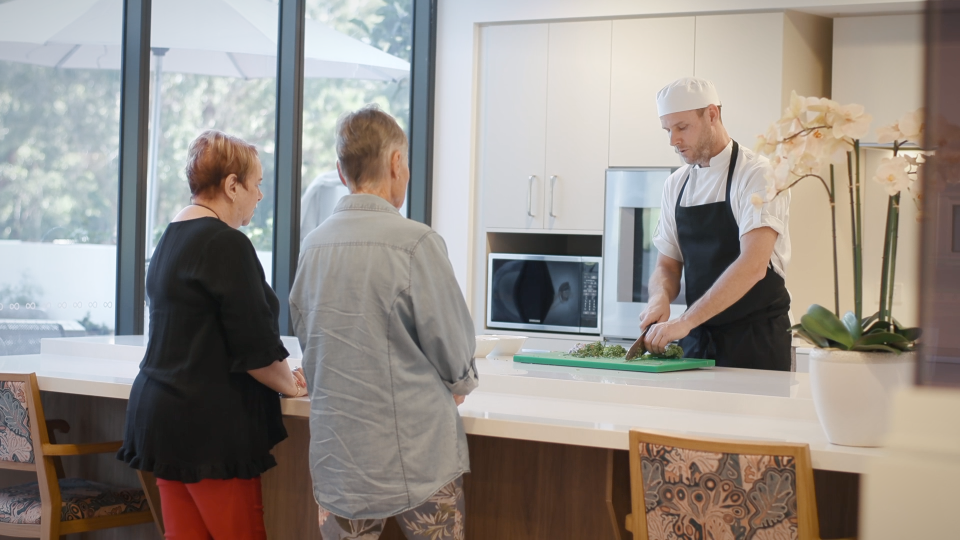
Look beyond the buildings and facilities and consider how the atmosphere feels to you. You might notice residents using shared spaces, greeting neighbours or simply going about their day. These observations can provide one perspective on village life, but the most important consideration is whether the overall atmosphere suits your preferences.
“We walked in, looked around, and said, ‘This is it’,” says Carl, a resident at The Green Tarragindi Retirement Village.
2. How the home would support your daily routine
As you walk through the home, picture how you would use the space each day. Consider where you would enjoy your morning coffee, prepare meals, entertain family and friends or spend a quiet afternoon.
Look at practical details such as the layout, natural light and outdoor areas. Think about whether the kitchen, bathroom and living spaces would be comfortable and easy to use. A home may look appealing in photos, but visiting allows you to assess how well it could support your lifestyle.
“It was the gardens between the homes that appealed to me,” says May, a resident at Carlyle Gardens Retirement Village. “The outlook and the space. It just felt different.”
3. The balance of privacy and participation
Retirement living can offer opportunities to connect with neighbours while maintaining your independence, privacy and established routines.
During your visit, notice how residents use the community spaces and whether there are activities, groups and facilities that appeal to you. Think about whether the community offers the balance you want, whether that means participating regularly, joining in occasionally or simply enjoying your own space with friendly neighbours close by.
4. How easy it is to move around the community
Take note of how comfortable and practical it is to navigate the village. Look at the pathways, lighting, signage and access to communal facilities. Consider the distance between the home and the places you may use regularly.
It can also help to think about how accessible the community is, both for your current needs and for the future. Features that make it easier to move around may contribute to your comfort and independence over time.
5. The quality and practicality of the home
Look closely at the home’s condition, fixtures and finishes. Check what forms part of the home, what may be replaced or refurbished before settlement and whether there are any matters you would like clarified.
Is there enough storage? Are power points conveniently located? Is there suitable space for your furniture and treasured belongings? Where would visitors stay or park? The small details you notice in person may have a meaningful impact on everyday life.
6. The surrounding neighbourhood
Your lifestyle will extend beyond the village, so take time to explore the surrounding area before or after your tour.
Consider the location of shops, cafés, parks, medical services and public transport, along with the places you already visit regularly. Think about whether the neighbourhood feels familiar, convenient and well connected to the people and activities that matter to you.
7. How the village communicates and operates
Meeting the village manager and team is an opportunity to ask how the community operates from day to day.
Find out how residents receive updates, provide feedback, report maintenance issues and raise questions or concerns. Consider whether the processes are explained clearly and give you confidence in how the village is managed.
8. What is included, maintained and available
As you explore, take note of the facilities, services and shared spaces available to residents. Consider which ones you are likely to use and whether they complement the lifestyle you want.
It is also important to understand what the village maintains and what would remain your responsibility. This may include the home, gardens, communal areas or particular fixtures and appliances. Knowing what is included can help you assess both the convenience and practicalities of village living.
9. How your future needs could be supported
While your current lifestyle is an important part of your decision, it is also worth considering what you may need in the years ahead.
Ask about the home’s accessibility and whether modifications are permitted if your mobility needs change. Find out about any health, wellbeing, care or support services that are available at that particular community. As these options differ by location, understanding what is available can help you consider whether the community may continue to suit you over time.
10. What stays with you after the visit
Once the tour is over, give yourself time to reflect on the experience. What stood out? Could you picture yourself living in the home and following your usual routines? Did the community offer the balance of independence, privacy, connection and support you want? Were there any questions you still need answered?
It may help to write down your impressions soon after the visit, while the details are still fresh. If you are touring several villages, your notes can help you compare how each community felt, as well as what each one offered.
See retirement living for yourself
Choosing a retirement village involves more than comparing homes, facilities and services. It is also about finding a community that feels comfortable and supports the way you want to live.
A village tour allows you to look beyond the brochure, pay attention to the details and reflect on whether the community feels right for you.