
How retirement villages support independence for longer
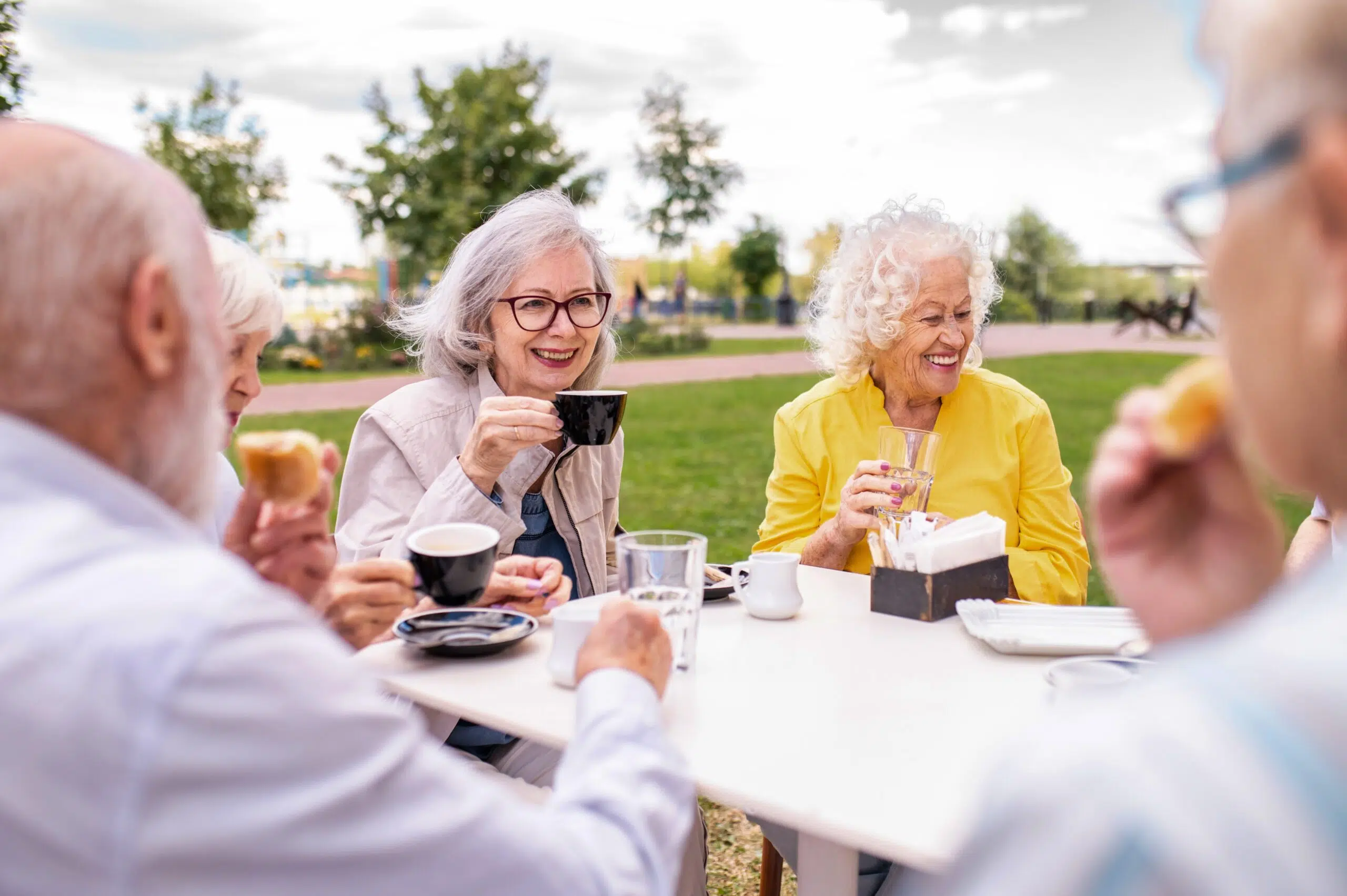
What if the right support didn’t take away your independence, but gave you more of it? There’s a common misconception that moving into a retirement village means giving up independence. For the people who live there, the reality is often the opposite. With support close by, everyday worries start to fall away, making more room for the things that matter most. Rather than shrinking their world, many residents say it has expanded it.
What does independence really mean?
Independence isn’t simply doing everything yourself. It’s having the freedom to do what matters to you. To make your own choices, pursue what brings you joy, and stay connected to the people and places you love.
Managing a large home alone, worrying about falls, or spending weekends on upkeep doesn’t always feel like independence. It can start to feel like constant responsibility.
Real independence is choosing how your day unfolds. A walk with friends and a coffee nearby. A call to the grandkids. Or simply taking things slowly, without a list of jobs waiting.
The freedom that comes from letting go
One of the first things residents notice when they move into a retirement village is the sense of relief. Not having to organise maintenance or think about what might go wrong doesn’t just simplify your routine, it gives you back headspace.
That shift is something The Green Tarragindi resident Carl experienced firsthand.
“If home maintenance feels like a burden, or you want more community in your life, don’t wait. Retirement living can be life changing,” says Carl.
With those everyday pressures gone, something else opens up. You say yes more often. You have more energy for the things you enjoy.
Homes in retirement village are also designed with the future in mind. Thoughtful ageing in place features such as step free layouts, wider doorways, accessible bathrooms, and well-planned lighting help make everyday living easier and safer over time. These subtle details mean your home can adapt with you, reducing the need for future changes or another move.
Support doesn’t take away choice, it protects it
Support is not the opposite of independence, it’s what helps it last. Having access to care when you need it, without leaving your home, allows you to stay in control for longer. A health setback doesn’t have to become a crisis and a change in mobility doesn’t have to force a move. You can continue living on your terms, in a place that feels like home.
Here are a few ways support can strengthen independence:
Support at Home
Support at Home services come to you. From help with chores and meals through to personal care and nursing, support is designed to fit around your life. As your needs change, your support can change too, helping you stay independent for longer. Services can be privately funded or government supported.
“It really was the biggest and best decision we made to get support through RetireAustralia Support at Home Services. Now we feel like we’ve finally retired,” say Tea Tree Gardens residents Kitrina and Colin.
Serviced apartments
For those who want a little more built-in support, serviced apartments offer the balance of independence with added convenience, including meals, housekeeping and linen laundry.
For Lincoln Grove resident Bill, this has helped preserve his independence.
“You don’t lose any independence here,” Bill says. “They assist you if you need it, but you’re still living your own life. If anything, your independence lasts years longer than it would if you were on your own.”
Care Hubs
At Arcadia and The Verge, care is designed to support residents in their apartment right through to end of life. If care can no longer be safely provided at home, residents can move to the Care Hub within the same community.
Care Hubs offer an alternative to traditional residential aged care, with a Registered Nurse led model supporting just 10 residents at a time in a more personal, homelike setting.
“We don’t have to worry about our care needs going forwards,” says The Verge resident Elaine. “With the support options available it gives us a sense of security.”
Connection is its own kind of freedom
Loneliness is one of the most significant health risks for older Australians, yet it’s often overlooked. It can affect confidence, wellbeing and overall health.
In a retirement community, connection becomes part of everyday life. A conversation over coffee, seeing a familiar face at the community centre or a neighbour checking in.
That sense of belonging brings a different kind of freedom. Feeling seen, supported, and part of something bigger.
A different way to think about timing
Many people used to wait until they had to move. Often after a health event or sudden change. More are now choosing to move earlier, while they’re still active and independent. Not because they need support right away, but because they want to protect their independence for the future.
Moving earlier gives you time to settle in, build friendships and feel at home. When your needs do change, support is already there.
Independence, redefined
Independence doesn’t have to mean doing everything alone. Sometimes, it’s about having the right support in the background, so you can keep living life your way.
For many people, that’s the real shift. Letting go of things that no longer serve them, while holding on to the things that do. Because true independence isn’t about managing on your own. It’s about having the freedom to keep living well, for longer.