
The benefits of retirement villages for couples

For many couples, retirement isn’t about slowing down – it’s about living well together. It’s a time to enjoy shared moments together, stay active, and plan ahead with confidence. Retirement villages are designed to support this chapter, offering independence, lifestyle, and peace of mind in one welcoming place.
Far from being a step back, life in a retirement village opens the door to new experiences, deeper connection, and time for what matters most.
Here are some of the key benefits couples enjoy in a retirement village:
More time for each other
One of the biggest benefits of retirement living for couples is the freedom it brings. Say goodbye to mowing lawns and managing a large home. Instead, couples can spend more time doing what they love – whether that’s travelling, staying fit, or simply enjoying a morning coffee together.
A social and supportive community
Retirement villages offer a ready-made social network. Couples can join activities side by side – like bowls, fitness classes, or happy hour – while also exploring their own individual interests. This balance helps both partners stay active, engaged, and connected.
Support if you need it
Life can change, and so can health needs. Retirement villages offer tailored care and support, from help with daily tasks to transport, meals, or even higher levels of care. Couples can continue living together in a familiar environment, with support available when needed. It’s reassurance that helps couples stay independent and together, even if one partner’s needs change.
Planning ahead as a couple
Choosing a retirement village together is also about planning for the future. Rather than leaving big decisions until later, many couples find comfort in making the move while they’re active and able to enjoy everything village life offers. It’s a choice that supports you now and adapts with you over time.
For couples, retirement village living isn’t just about downsizing – it’s about upsizing your lifestyle and your support network. With more freedom, community connection, and access to support if needed, retirement villages help couples focus on what matters most: enjoying life together.
John and Margy’ story
Life is busier and better than ever since John and Margie moved into Boambee Gardens Retirement Village. As John says:
“People ask if we get bored in retirement. We honestly haven’t had the time to get bored. Life is pretty good.”
Margy agrees:
“Plus we have a supportive, caring community around us. We don’t have the stress of painting the house or that kind of thing anymore.”
Discover more about John and Margy’s story here
Is a retirement village right for you?
You might also be interested in:



Not receiving our Vitality monthly newsletter yet? Share your details below and we’ll send you monthly updates, helpful tips, and inspiring stories to support you on your retirement journey.



A blooming good time: residents enjoy Toowoomba's floral festival
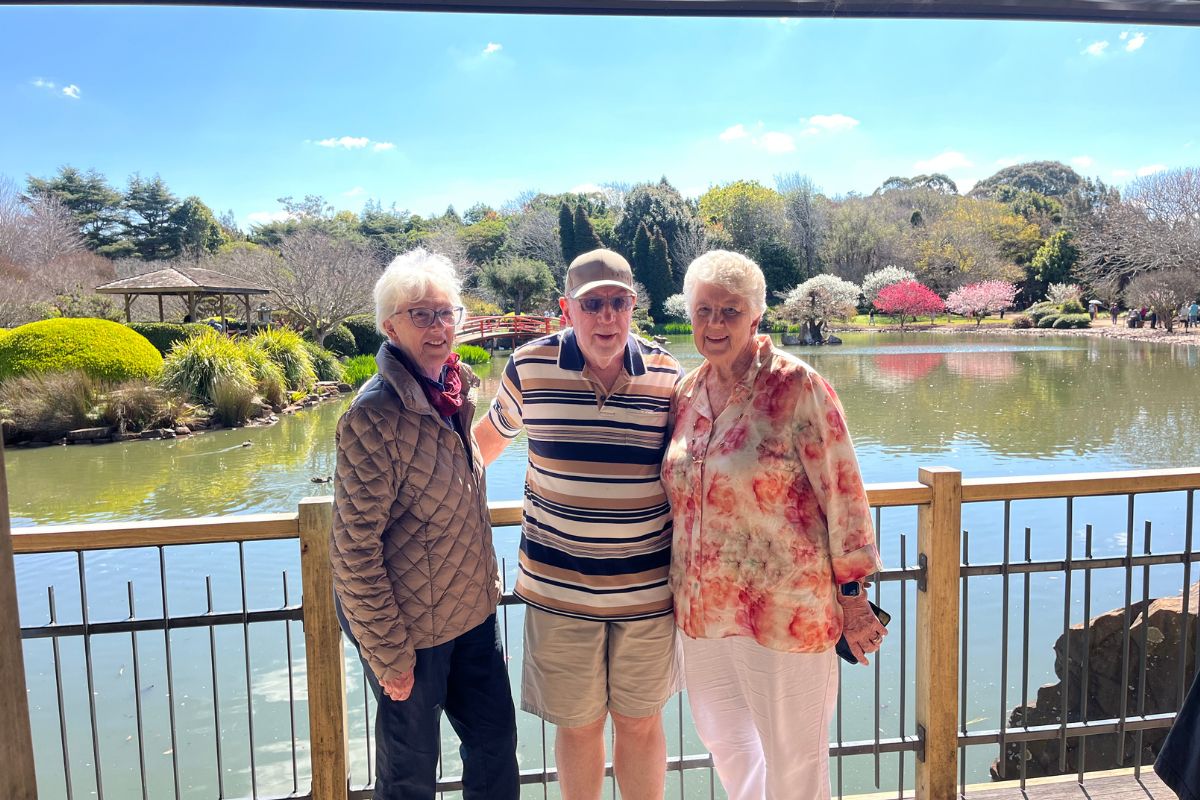
Laughter, cherry blossoms, and a bus full of new friendships — that’s what life looked like for The Verge at Burleigh G.C. Retirement Village residents who travelled together to the Toowoomba Carnival of Flowers last week.
Led by Jeff Burchell, Chair of The Verge’s Social Committee, the day trip brought together 42 residents from The Verge, along with friends from The Green Tarragindi Retirement Village and Drayton Villas Retirement Village, for a colourful celebration of connection and community.
In total, 91 people joined the day. The Verge residents first collected friends from The Green before heading to Queens Park gardens. At Drayton, Jeff presented gifts before everyone enjoyed lunch and a tour with the Drayton team and residents. The day finished at the serene Japanese Gardens, where the group spent time together before returning home.
“We just love it”
Exploring Queens Park and the Japanese Gardens, residents were immersed in colour — and each other’s company.
“The highlight for me was seeing all the gardens,” said Verge resident Jenny Egan. “We enjoy all the people, and of course Jeff organising events like this — he’s absolutely amazing.”
Her husband Jeff agreed: “It’s a great community and we all work together, look out for each other. We just love it.”
New friendships in bloom
For Lynne Girvan, the day was about more than flowers. “This is the first big event we’ve joined, and I’ve met people today I didn’t even know lived at The Verge,” she said. “That’s what’s so lovely about these outings — they bring people together. And the cherry blossoms in the Japanese Gardens were just beautiful.”
“The Verge is my second family”
Resident Margaret Creer said days like this are exactly why she calls The Verge her forever home.
“There’s always something on, and whenever there’s a trip, if I can do it, I’ll join. You meet other people and it’s lovely. There’s a lot of camaraderie at The Verge — that’s what makes it so special.”
She added with a smile: “At my age in life, I think I might not be able to later, so I try to join in with everything that’s going on.”
Growing connections across villages
For Jeff, who organised the day, the trip wasn’t just about seeing flowers — it was about strengthening the bonds that make retirement living so rewarding.
“After we had the inter-village bowling day at The Green earlier this year, we made some great friendships, so we invited them this time too. We’ll continue to include other villages when we have events like this because we all belong to the same family.”
More than a day out
From sharing stories over lunch to strolling through Toowoomba’s floral displays, the Carnival of Flowers gave residents more than just a scenic day trip. It offered connection, joy, and a reminder of the wellbeing benefits of community living — where friendships, activities, and support are always close at hand.
“After the success of today, I think we’ll continue to see even more of these community gatherings. It brings everyone closer together,” said Jenny.
The Toowoomba Carnival of Flowers, held annually in September, attracts thousands of visitors to celebrate the city’s spectacular blooms. Much like the blossoms in Toowoomba, the community spirit at The Verge is vibrant, colourful — and always growing.
Want to see another example of The Verge residents building connection through shared experiences? Read about their inter-village bowls day: Rolling together: Building connection through bowls.
Want to discover life at The Verge?
Final release apartments now selling.
For more information or to book call 1800 955 070
You might also be interested in:
Not receiving our Vitality monthly newsletter yet? Share your details below and we’ll send you monthly updates, helpful tips, and inspiring stories to support you on your retirement journey.
Boutique retirement living in Sydney minus the price tag
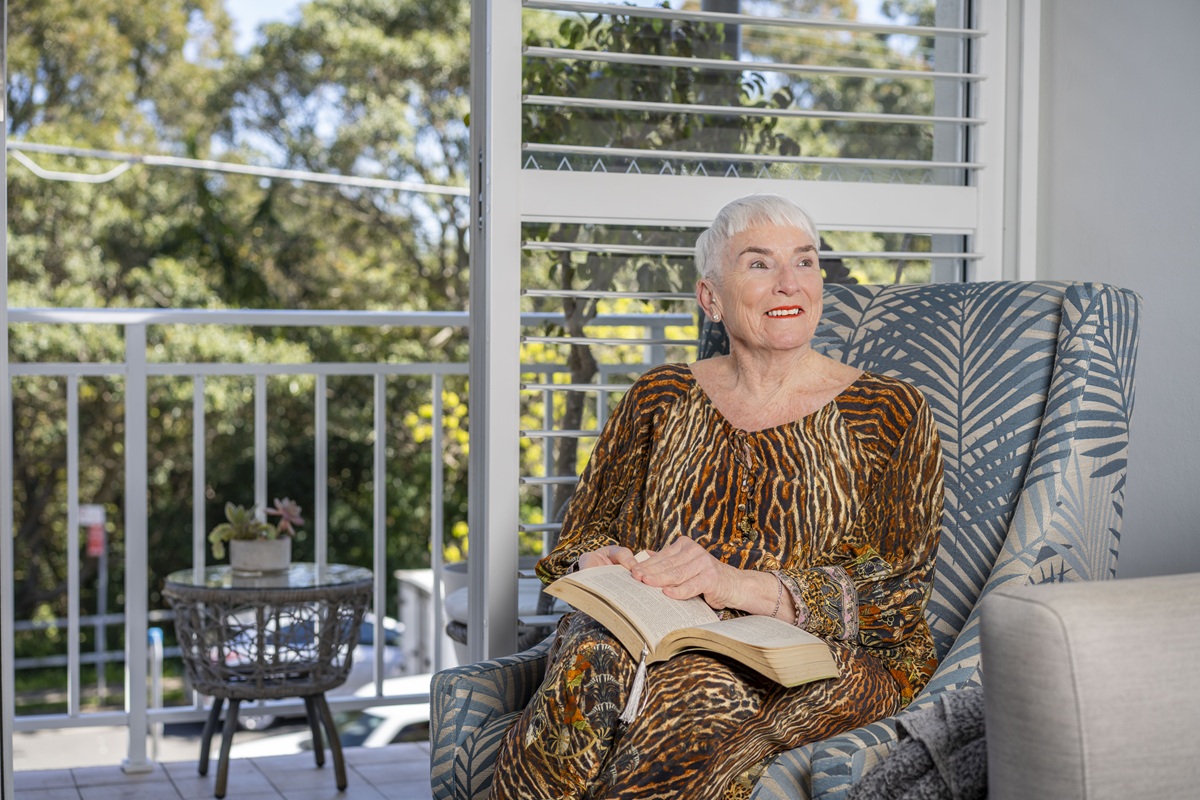
A familiar location with a new purpose
After decades living in Sydney’s Eastern Suburbs, Carmel never imagined she’d one day call Queens Park Retirement Village home—especially after spending 25 years living right next door.
“I used to hear music coming from the village and joke, ‘When I grow up, I’m going to jump the fence and live there,’” she recalls. Five years ago, she did just that.
Financial advice that changed everything
Carmel’s move was prompted by a conversation with her financial advisor, who warned that renting would quickly deplete her savings. “I didn’t think I could afford it,” she says. “But he said, ‘If you rent, you’ll go through your savings in no time.’ It turned out to be the best advice I’ve ever received.”
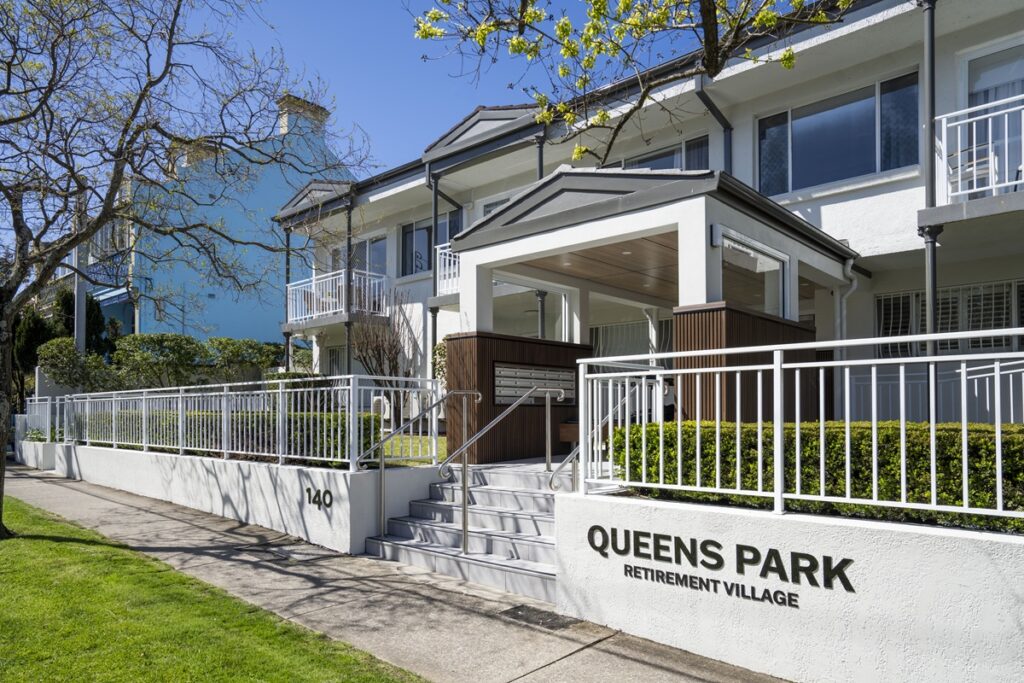
Affordable living in a prime Sydney location
In the midst of a housing and aged care crisis, Queens Park offers something rare: affordable, assisted living for older Australians in one of Sydney’s most desirable locations. Nestled beside Centennial Parklands and just minutes from Westfield Bondi Junction, this boutique village is redefining what it means to age well.
Unlike traditional aged care, Queens Park doesn’t require an ACAT assessment or have long waiting lists. Residents enjoy beautifully refurbished serviced apartments, daily meals, cleaning and linen services, and access to personal care—all while maintaining their independence.
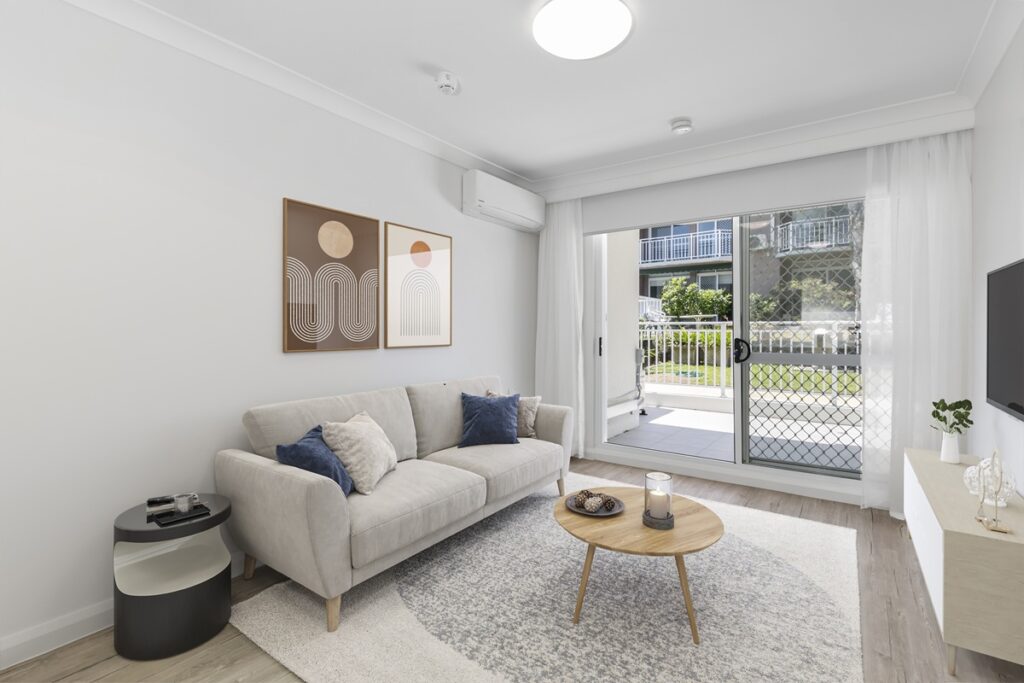
For Carmel, the move to Queens Park has been transformative. She’s formed close friendships within the village and stayed connected with friends nearby. Whether it’s bingo, happy hour, Zumba, or catching up with old friends and getting out to the nearby Bronte Beach, she embraces the independence and flexibility that life at Queens Park offers.
“It’s like family here,” she says. “The staff are wonderful—I call them the Queens Park Angels.”
Support when it’s needed most
With 24/7 on-site staff and a warm, welcoming atmosphere, Queens Park offers peace of mind for residents facing health challenges. Carmel, who is preparing for two shoulder replacement surgeries, says knowing support is available when needed makes all the difference.
A place to thrive, not just live
“I always say, if I won Powerball, I’d still live here,” she laughs. “It’s close to my happy places, and I couldn’t be in a better spot.”
For older Australians seeking affordable, assisted living in a vibrant and well-connected location, Queens Park Retirement Village is proving to be a hidden gem.
Learn more: Queens Park Retirement Village
You might also be interested in:
Not receiving our Vitality monthly newsletter yet? Share your details below and we’ll send you monthly updates, helpful tips, and inspiring stories to support you on your retirement journey.
RetireAustralia’s Murray Humphrey named APAC Learning and Development Manager of the Year
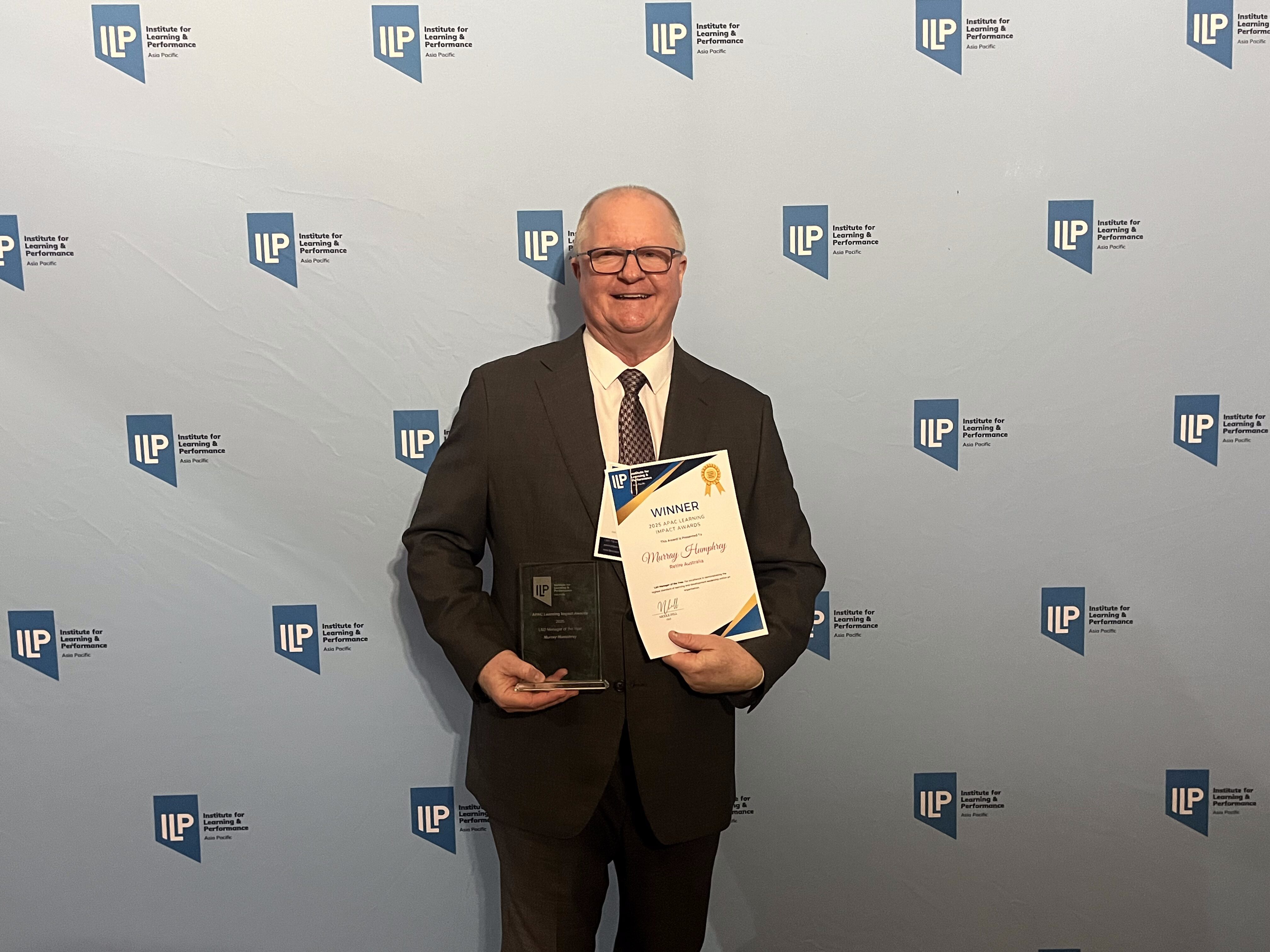
RetireAustralia’s National Manager – Learning & Development, Murray Humphrey, has been named Learning & Development Manager of the Year at the Institute for Learning & Performance’s Asia Pacific Learning Impact Awards.
Notably, Murray’s achievement comes after competing against finalists from some of Australia’s largest national corporates, including 7-Eleven and Mirvac, making this recognition even more significant for RetireAustralia and the retirement living sector.
“We’re incredibly proud of the work we do in L&D, and it’s an honour to be recognised alongside so many inspiring organisations and individuals. I look forward to continuing to deliver excellent training outcomes for our RA teams.” said Humphrey.
RetireAustralia operates 29 retirement communities with over 5,000 residents across South Australia, New South Wales and Queensland—an environment in which the L&D function has become a strategic lever for service quality and workforce capability.
Humphrey’s win is a powerful endorsement of the work he leads at RetireAustralia, where he has integrated nationally recognised vocational education and training (VET) into the business, supporting more than 500 employees and ultimately enhancing resident outcomes.
He has established partnerships with RTOs that have enabled team members to attain nationally recognised qualifications from Certificate III to Diploma level. The coursework is enriched with industry-specific content, ensuring training is both accredited and aligned to real-world roles.
Performance metrics highlight the impact of this approach: over 90% of learners would recommend training to a colleague, satisfaction with L&D has reached a nine-year high, and resident satisfaction sits at 87%. These results demonstrate the tangible benefits of a robust learning and development strategy for both employees and residents.
Brett Robinson, RetireAustralia CEO, said “At RetireAustralia, our commitment to continuous learning is at the heart of everything we do. By embedding VET principles and partnering with RTOs, we’ve built a highly skilled, agile workforce that’s able to respond to change and deliver exceptional care. Murray’s leadership in Learning & Development has been instrumental in creating thriving communities where older Australians can live the life they choose in their own home. This award is a testament to the real difference our L&D team makes—not just to our people, but our residents too.”
The recognition capped a strong showing for RetireAustralia at the ILP awards, with Humphrey and L&D Advisor Chloe Smoothy also named finalists for L&D Team Excellence—a notable achievement for a two-person function supporting more than 500 employees nationwide.
What to expect when you leave a retirement village

Leaving a retirement village is a big step, and it’s completely normal to feel a mix of emotions. Whether you’re moving closer to family, need more care, or your circumstances have changed, knowing what’s ahead can help you and your loved ones feel confident and supported as you take this next step.
The practical steps
Leaving a retirement village is different from selling a regular home. Here’s what usually it involves:
- Notify the village operator: You’ll need to give written notice of your intention to leave.
- Check your contract: It outlines what happens when you leave, including timelines, fees and how your unit will be prepared and resold.
- Final inspections: The operator may do a final check of your unit, similar to moving out of a rental.
- Financial settlement: Once your home in the village is resold, you’ll receive your exit entitlement, less applicable fees.
If your home doesn’t sell within a set timeframe, (specified in each state’s Retirement Village Act) the operator will buy it back. This ensures you’re not left waiting and can move forward with peace of mind.
Understanding the fees
When you leave a retirement village, you’ll pay a management fee. This is a capped percentage of your entry price or resale price, and it’s accrued over your first few years in the village.
This fee helps keep villages attractive, modern and comfortable for all residents by funding upgrades and support staff. In many villages, it also covers the cost of renovating and reselling homes.
To avoid surprises, review your contract early and ask the village team to walk you through the steps when it comes time to exit.
Tip: You can ask for an estimate of your exit entitlement at any time. It’s a great way to plan ahead.
Emotional considerations
Moving on from a retirement village can be emotional. You may be leaving behind friends, routines and a community you’ve grown to love. It’s natural to feel a mix of emotions depending on your circumstances.
Support along the way
You’re not alone. The village team can answer questions and guide you through each step. Your family, friends and professional advisers – such as a solicitor or financial planner – can also provide valuable support and reassurance.
By understanding the practical steps and preparing for the emotional side of the move, you and your loved ones can approach the change with clarity and confidence. With the right support, it can be a smooth transition to the next stage of life.
Discover if retirement living could be right for your next chapter.
You might also be interested in:
Not receiving our Vitality monthly newsletter yet? Share your details below and we’ll send you monthly updates, helpful tips, and inspiring stories to support you on your retirement journey.
Choosing a retirement village: the factors to consider

Making the decision to move into a retirement village is about far more than finding a new place to live – it’s about choosing a home and a community that supports your purpose, happiness and future needs. With so many options available, it’s important to know what to look for when weighing up your choices.
Location and lifestyle
Where the village is located has a huge impact on your day-to-day enjoyment. Consider whether you want to be near family and friends, close to shops and medical services, or in a quieter setting surrounded by the bush or seaside. Many villages are designed to offer the best of both worlds – peaceful, landscaped grounds combined with easy access nearby services.
Community and connection
One of the greatest benefits of retirement living is the sense of community. Ask yourself: does the village have opportunities to socialise, join clubs or participate in group activities? A welcoming community can provide friendship, reduce isolation and give you the freedom to enjoy life surrounded by like-minded people. When visiting villages, ask if you can take part in an activity or social event, this will help give you a taste of the community and discover if they are “your” people.
Safety and security
Peace of mind is essential. Look for a village with thoughtful safety features, such as an on-site team and a personal emergency response system. Knowing that support is available if needed allows you to relax and focus on the things you love.
Accommodation options and design
Retirement villages offer a range of accommodation styles from villas and apartments to serviced units. Consider whether the design is future-proofed for ageing well, with features like step-free access, wide doorways and walk-in showers. Pet-friendly policies, natural light and low-maintenance layouts also add to comfort and convenience.
Services and amenities
Think about what services you’ll use regularly. Some villages include amenities like pools, gyms, cafes or libraries. Others provide practical support such as maintenance, gardening or care services. The right mix will depend on your priorities, whether that’s staying active, enjoying new hobbies and/or enjoying a low-maintenance lifestyle.
Care and support options
While you may be healthy and well now, it’s worth considering future needs. Some villages offer access to Support at home services or aged care services, so you won’t need to relocate if your care requirements change. This forward-thinking approach can provide continuity and comfort down the track.
Financial considerations
Finally, make sure you understand the financial model. Many people are surprised at how different the cost and ownership structure of retirement villages can be. It’s important to understand the entry payment, ongoing service fees and management fee. Transparency is key, so look for villages that clearly explain costs upfront. At RetireAustralia, we offer a clear contract so you know what you will receive when you decide to leave the village.
Finding the right retirement village
Choosing a retirement village is about more than just location—it’s about feeling connected, supported, and confident in your future.
Take the time to explore how each village meets your social and emotional needs, supports your wellbeing and aligns with your future care plans and financial goals.
Visit, talk to residents and ask questions. Ultimately, the right village will be the one where you feel secure, connected, and excited about the future.
Discover if retirement living could be right for your next chapter.
You might also be interested in:
Not receiving our Vitality monthly newsletter yet? Share your details below and we’ll send you monthly updates, helpful tips, and inspiring stories to support you on your retirement journey.
Invesco Real Estate announces acquisition of RetireAustralia with a portfolio of 29 retirement villages

8 August 2025 – Invesco Real Estate
(IRE), the global real estate investment business of Invesco Ltd. (NYSE: IVZ), today announced it has entered into definitive documentation to acquire 100% of RetireAustralia, a leading owner, operator and developer of retirement villages in Australia for A$845m.
IRE will acquire RetireAustralia from Infratil and the New Zealand Superannuation Fund, each of which hold a 50% interest in RetireAustralia. Both shareholders’ interests are managed by infrastructure investment manager Morrison.
Calvin Chou, Head of Asia Pacific, Invesco Real Estate, commented: “The acquisition of RetireAustralia represents a unique investment opportunity to expand Invesco Real Estate’s presence in Australia’s rapidly growing senior living sector. The country’s aging population, coupled with their rising wealth, is driving demand for alternative aged care solutions, and RetireAustralia’s care-centric operating model is well positioned to meet this need. This investment aligns with our objective of diversifying our portfolio with high-quality assets, enabling us to consistently deliver robust income and capital growth.”
As one of the largest players in Australia, RetireAustralia owns and operates 29 senior living villages across New South Wales, Queensland and South Australia, comprising over 4,300 independent living units, serviced and care apartments. In addition, it has a robust development pipeline with the potential to deliver up to 800 units across 7 projects across the country.
Dr Brett Robinson, Chief Executive of RetireAustralia, added: “Invesco Real Estate’s focus on long-term investment trends, combined with its strong track record of investing in the senior living sector across South Korea, Australia, and the US, position it as an ideal shareholder and partner for RetireAustralia. By working together, I believe we will create thriving communities where more older Australians can live and age well, meeting the country’s growing need for high-quality seniors housing and care as we address evolving demographics.”
The transaction is subject to regulatory approval and is expected to complete in the final quarter of the 2025 calendar year.
-ENDS-
Invesco Real Estate announces acquisition of RetireAustralia (PDF)
Media Contacts

For Invesco:
Dan Billings, [email protected], +852 3128 6339
Tony Mo, [email protected], +852 3128 6006

For RetireAustralia:
Vanessa Robb, [email protected], +61 427 605 366
About RetireAustralia
RetireAustralia is a leading owner, operator and developer of retirement villages in Australia, with 29 retirement villages across New South Wales, Queensland and South Australia. Their villages are designed to support older Australians to live independently, safely and meaningfully – close to the people and places they love. With transparent contracts, thoughtfully designed homes, and a strong focus on care and connection, their communities make it easier for older Australians to enjoy the lifestyle they want, both now and in the future. For further information please visit https://retireaustralia.com.au/
About Invesco Real Estate
Invesco Real Estate is a global leader in the real estate investment management business with over US$80 billion in real estate assets under management, approximately 600 employees and 21 regional offices across the U.S., Europe and Asia Pacific as of March 31, 2025. Invesco Real Estate has been actively investing across the risk return spectrum for its c.400 institutional client relationships over more than 40 years of investment history, from core to opportunistic, in equity and debt real estate strategies, and in direct and listed real estate.
About Invesco Ltd.
Invesco Ltd. (Ticker NYSE: IVZ) is a global independent investment management firm dedicated to delivering an investment experience that helps people get more out of life. Our distinctive investment teams deliver a comprehensive range of active, passive and alternative investment capabilities. With offices in more than 20 countries, Invesco managed US$2 trillion in assets on behalf of clients worldwide as of June 30, 2025. For more information, visit: www.invesco.com/corporate.
Risk warnings
The value of investments and any income will fluctuate (this may partly be the result of exchange rate fluctuations) and investors may not get back the full amount invested. Property and land can be difficult to sell, so investors may not be able to sell such investments when they want to. The value of property is generally a matter of an independent valuer’s opinion and may not be realised. Past performance does not predict future returns.
Important information
This press release is intended for trade press use only. Please do not redistribute. This document is by way of information only. Views and opinions are based on current market conditions and are subject to change. By accepting this document, you consent to communicate with us in English, unless you inform us otherwise. Data as of 30 June 2025 unless otherwise stated. The preliminary assets under management (AUM) figure of US$2 trillion as of end-June is subject to adjustment.
This document is issued in:
Hong Kong by Invesco Hong Kong Limited (景順投資管理有限公司), 45/F, Jardine House, 1 Connaught Place, Central, Hong Kong. This document has not been reviewed by the Securities and Futures Commission.
Singapore for Institutional Investors/Accredited Investors by Invesco Asset Management Singapore Ltd, 9 Raffles Place, #18-01 Republic Plaza, Singapore 048619.
Australia by Invesco Australia Limited (ABN 48 001 693 232), Level 26, 333 Collins Street, Melbourne, Victoria, 3000, Australia, which holds an Australian Financial Services Licence number 239916.
How to talk to loved ones about retirement living

Thinking about retirement living? It can be a really positive step – one that gives you more freedom, friendships and a lifestyle that suits your current stage of life. But bringing it up with family can feel daunting. You might be unsure how they’ll react or how to even start the conversation. And since buying into a retirement community is quite different to a regular property purchase, it’s normal to feel a bit unsure.
Here’s some simple ways to make the conversation easier and more meaningful.
Start with your “why”
Before speaking to your family, take some time to reflect on why you’re considering a retirement community. Are you looking for a low-maintenance lifestyle? More social opportunities? Access to support if your needs change? Whatever your reasons, knowing your “why” will help you explain your thinking clearly.
You might say something like, “I’d love more time for hobbies,” or “I want to be part of a community where I feel connected.” These personal goals can help your loved ones understand where you’re coming from.
Choose the right time
This isn’t a conversation to rush. Choose a calm, relaxed time when you and your loved ones won’t be distracted or in a hurry. You might start with a casual chat over coffee or during a weekend visit, something informal that creates a safe space for open conversation.
Be open and reassuring
Your loved might feel surprised, emotional or even resistant at first. That doesn’t mean they’re against the idea, it just means they care. Be honest about your intentions and let them know this is not a decision made lightly. Let them know that you’re exploring options and want to include them in the journey.
Share information and invite input
Many people still think retirement living means giving up independence, but that’s far from the truth. Today’s retirement communities are full of life, offering support, connection and freedom. Share brochures, websites, or even suggest visiting a village together.
Let them know you’re not asking for permission; you’re sharing your plans and welcoming their input.
Listen with care
It’s natural for loved ones to worry about change. They might be concerned about your health, finances or even the idea of leaving the family home. That’s okay. Listen patiently and answer what you can. And if you don’t have all the answers yet, that’s fine too. You’re exploring, and part of that process involves learning together.
Keep the conversation going
One conversation is rarely enough. Give your loved ones time to think and ask questions. Keep them in the loop as you explore different communities or speak with village teams. As they see how this move could improve your lifestyle and make this stage of your life more enjoyable, they’ll likely feel more at ease.
Talk about the financial side
Buying into retirement living is different financial from buying a regular home. It’s important to understand the costs involved—what you pay when you move in, while you live there, and when you leave. Sharing this with your family can help avoid confusion or concerns later on.
Real stories make a difference
Take it from John and Margy at Boambee Gardens Retirement Village. They had an open conversation with their children before they moved, and it mad all the difference.
“Our children understand that we have moved into a lifestyle that is suitable for us,” says John. “They’re very happy with it because they know that we’re not on our own, that there are other people around us who are caring and supportive, who are there if we really need them.”
Talking to your family about retirement living doesn’t have to be stressful. With a little thought and care, it can be a positive, empowering conversation—that opens the door to a new and exciting chapter in life.
You might also be interested in:
Not receiving our Vitality monthly newsletter yet? Share your details below and we’ll send you monthly updates, helpful tips, and inspiring stories to support you on your retirement journey.
Understanding Power of Attorneys for older Australians

As we get older, it’s natural to start thinking more about the future, especially when it comes to making decisions about our finances, health and wellbeing. One of the best ways to plan ahead is by setting up a Power of Attorney.
“When considering retirement or a move to retirement living, it can also be a good time to update your will and appoint a power of attorney, if you don’t already have one,” says retirement living lawyer, Danielle Lim, Principal, DSL Law.
What is a Power of Attorney?
A Power of Attorney (POA) is a legal document that allows someone you trust to make decisions on your behalf if you’re you’re ever unable to do so yourself. This could include managing your money, paying bills, selling property or making medical decisions. There are different types of POA in Australia, including:
- General Power of Attorney: used for specific or short-term decisions, often used while you’re still able to make decisions.
- Enduring Power of Attorney: stays in place even if you lose capacity. It can cover financial, personal and (in some states) medical decisions.
- Enduring Guardianship or medical decision-makers: in some states and territories, this covers health and lifestyle decisions.
Why it’s so important for older Australians
Peace of mind
Knowing that a trusted person is legally empowered to act in your best interests offers enormous reassurance, for you and your loved ones.
Avoiding crisis decisions
Without a POA, your family may face a lengthy legal process to help you if you lose capacity. This can be stressful and time-consuming, particularly during an difficult time.
Maintaining control
Appointing a POA while you’re still well ensures you choose who makes decisions for you—someone who understands your values, preferences and wishes.
Legal and financial protection
A POA helps protect you from financial abuse, mismanagement and fraud. The person you choose is legally bound to act in your best interests.
How it works in different states
Each state and territory has slightly different rules. Here’s a quick overview:
New South Wales
- Enduring POA is for financial matters only.
- Health and lifestyle decisions, including living arrangements and medical decisions, are handled through an Enduring Guardianship.
- Enduring POAs must be witnessed by a solicitor, registrar of a court or other qualified person.
Queensland
- A single Enduring POA covers personal, health and financial matters.
- Must be signed and witnessed by a Justice of the Peace, Commissioner for Declarations, lawyer or Notary Public.
South Australia
- Enduring POA is for financial matters only.
- Health and lifestyle decisions are made through an Advance Care Directive.
- Must be witnessed by an authorised person such as a solicitor or Justice of the Peace.
What to do next
Once you’ve set up your Power of Attorney, let those close to you know about it and keep the documents somewhere safe. It’s also a good idea to complete an Advance Care Directive, this outlines your preferences when it comes to the type of care and treatments you’d like if you can’t speak for yourself. For more information of Advance Care Directives, you can read our blog.
Your free guide to retirement village living

You might also be interested in:
Not receiving our Vitality monthly newsletter yet? Share your details below and we’ll send you monthly updates, helpful tips, and inspiring stories to support you on your retirement journey.
Care that feels like home: RetireAustralia’s first Care Hub marks one year
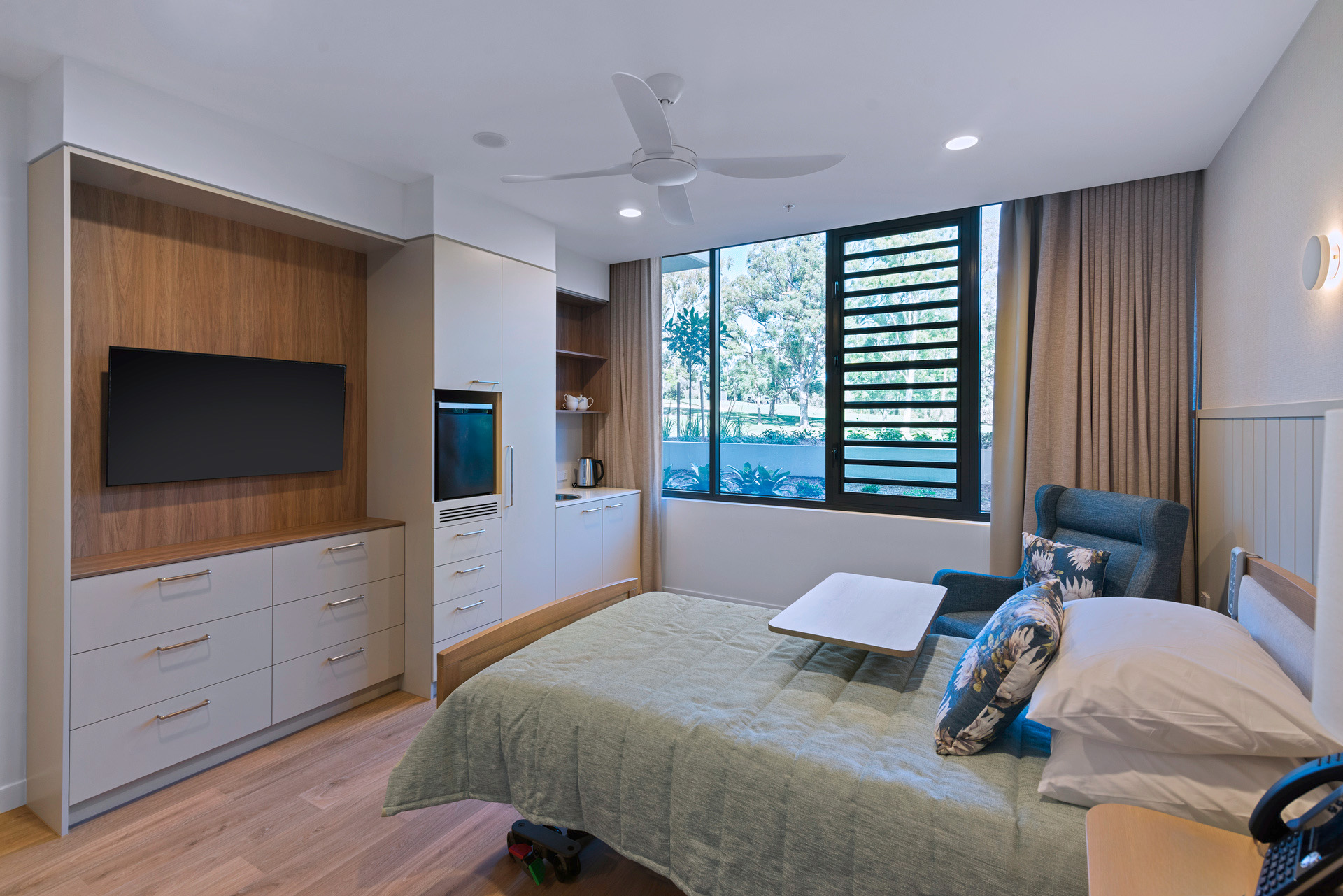
RetireAustralia’s first nurse-led Care Hub has marked its first year of operations, reaching functional capacity within 12 months and demonstrating strong demand for dignified, homelike support embedded in retirement living. The 10-suite hub—at The Verge Retirement Village on the Gold Coast—provides 24/7, registered nurse-led care in a boutique care environment that keeps residents close to community and family.
RetireAustralia Chief Operating Officer Simon Fawssett said the model was designed around what older Australians want most. “People want to be cared for in their own home. That sentiment underpinned our strategy from the beginning,” he said.
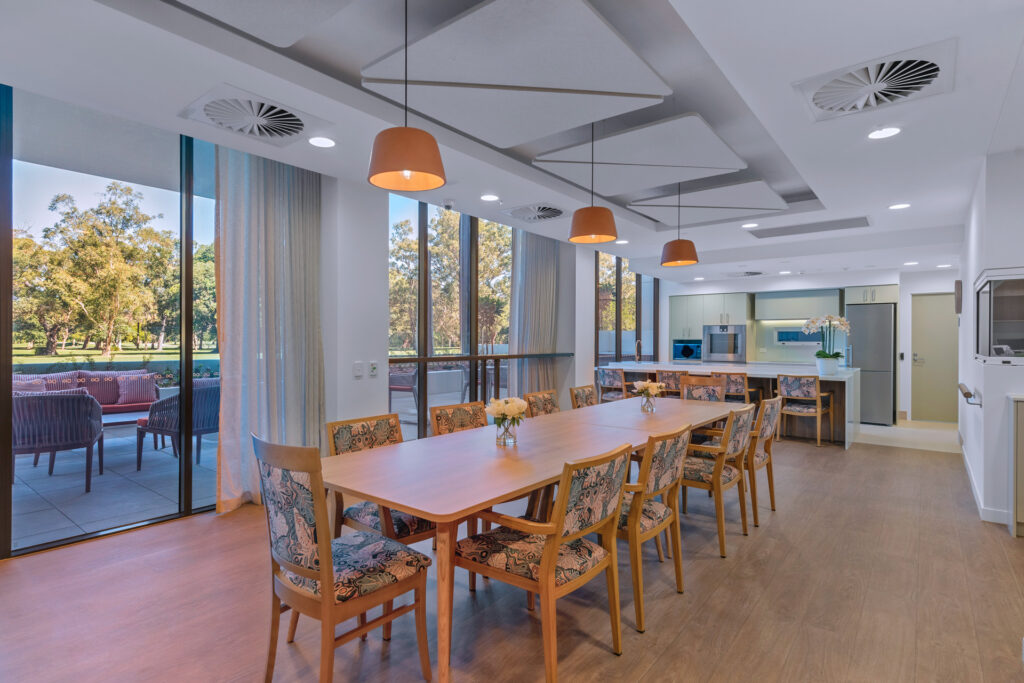
Unlike traditional aged care, the Care Hub removes common access barriers — there’s no ACAT assessment or asset testing — and supports both short-term respite and longer-term stays based on need. Suites are self-contained for privacy and autonomy, while shared spaces encourage connection. The care hub was built to National Construction Code Class 9C and Livable Housing Australia Gold Level, with design informed by University of Stirling principles that address age-related impairments.
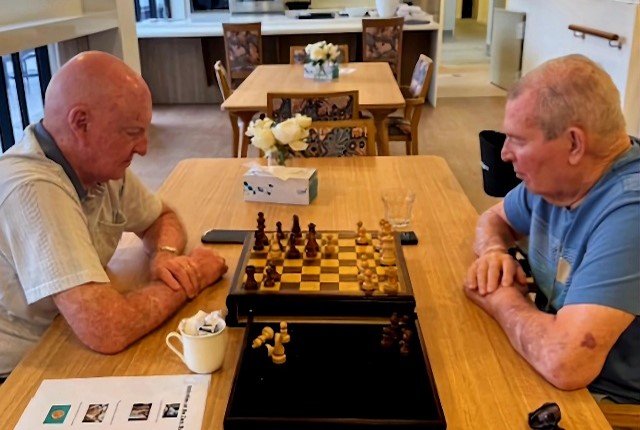
Residents say the difference is tangible. David, a retired journalist living with Parkinson’s, moved into the Care Hub from his apartment at The Verge and has regained confidence through tailored care and daily exercise, while his wife, Kathy, remains living independently nearby. Isla, the hub’s first resident, describes the team as “family,” reflecting a focus on compassion, continuity and choice.
Demand has been sustained through the year, with a steady sell-down rate of around one suite per month. As the model evolves in response to resident needs and sector shifts, recent pricing updates reflect benchmarking and strong demand: the ingoing contribution has moved from $600,000 to $650,000, the daily care and services fee from $300 to $315, and the daily accommodation fee from $54 to $92.Verney DCG Meeting
“Looking ahead, we’re refining rather than replicating,” Fawssett said. “From staffing to financial models, we’re building on what works and preparing for what’s next.