
Simple ways to downsize and declutter

It’s so easy to accumulate a lifetime of possessions. Many residents tell us they didn’t realise how much they had until it was time to move house. Over the years, we’ve gathered practical tips from residents to help make decluttering and downsizing as simple as possible.
Before long, you will be relaxing in your new home at Arcadia.
1. Start early
Start decluttering well before your actual move date. It’s common to underestimate just how much there is to sort, so starting early helps. As Chris, a resident at The Verge, shares:.
“I wish I had started clearing the rubbish out of the garage two years before I downsized!”
2. Make a plan
Group your belongings into categories and start sorting less emotional items like paperwork, kitchen utensils, and stationery. Once you’ve tackled these, move onto photos, books, and keepsakes.
3. Take measurements and plan for your new lifestyle
Your Arcadia sales consultant will provide you with a floor plan with room measurements. This helps you decide what to bring. Remember, you will have access to shared amenities, and there’s no need to bring the lawn mower or hedge trimmer.
4. Keep sessions short
Even if it’s for only 15 minutes at a time, short sessions soon add up. You don’t need to do it all at once. Steady progress makes the process easier.
5. Be honest
When deciding what to keep, ask yourself: do I need it, use it, or love it? Sort items into ‘keep’, ‘donate/sell’ and ‘recycle/’ piles. Avoid a ‘maybe’ pile to save time.
As Judy from The Verge says: “Throughout your life you’re at the shops and see a tablecloth and think ‘that’s a nice tablecloth’ and suddenly you have 17 tablecloths, 5 doona covers and 6 sets of sheets! Why?”
6. Digitise memories
Photos are precious but can take up space. Ask friends or family to help digitise them, keep a few favourites to display, and consider using digital frames or your TV to showcase memories in your new home.
7. Swap old for new
Moving into your new home is a chance to update some of those older items for some nice things you’ve had your eye on. If you buy something new, try ‘the one in / one out’ rule and donate or sell an existing item when you bring in something new.
8. Gift or sell things
- Check with your children first – they may not want much.
- Host a private garage sale for friends, mark items you want to get rid of with coloured stickers.
- Contact charities to confirm they will accept what you want to donate.
- Try auction houses, though they will be selective about what they accept.
As Chris shares: “We had friends help, we donated stuff to charity, we gave to family and friends, we sold on Facebook Marketplace.”
9. Be kind to yourself
Downsizing can be emotional. Our belongings hold memories, and starting early gives you time to reflect and adjust. It’s natural to feel sentimental, but remember an exciting new chapter awaits. Many residents say, “I wish we’d made the move sooner.”
Get some assistance
This is something you don’t have to tackle on your own, there are professionals available you can assist you. Some services that may be able to help include:
Claymore Thistle
Task Tamers
Tailored Transitions
www.tailoredtransitions.com.au
If you require more information about your new apartment or Arcadia to help your downsizing process, you can always reach out to our sales team. We look forward to welcoming you soon to Arcadia.
You might also be interested in:

Not receiving our Vitality monthly newsletter yet? Share your details below and we’ll send you monthly updates, helpful tips, and inspiring stories to support you on your retirement journey.


Preparing for a hospital stay: A simple checklist for older Australians

Why preparation matters
A hospital stay, whether planned or unexpected, can be stressful. There are appointments to organise, belongings to pack, and decisions to make about your health, home and recovery. For older Australians, having a clear plan in place gives comfort and confidence.
If you live in a RetireAustralia retirement village, you also have the reassurance of a caring team who can help you prepare, stay connected, and return home safely. Here’s a practical checklist to guide you, along with the ways your village community can support you.
Your hospital stay checklist
Before your hospital stay: what to prepare
Pack the essentials
- Medicare and pension cards
- Current medication list and dosages
- Comfortable clothing, pyjamas, underwear and non-slip footwear
- Toiletries and personal items (glasses, hearing aids, etc)
- Mobile phone and charger
- A book or magazine
- A small notebook with contact details of family, GP and specialists
- Advance Care Directive or relevant paperwork
Organise your medications
- Bring an up-to-date list from your GP or pharmacy
- If you use a Webster-pak, take the whole pack
Arrange transport
- Confirm who will take you to hospital
- Your retirement village team can help organise a taxi or community transport
- For day surgery, arrange for a family member or friend to collect you
- For longer stays, plan your pick-up in advance
Prepare your home
Ensure things are safe and easy when you return:
- Switch off appliances
- Throw out perishable food
- Arrange care for pets and plants
Keeping everyone informed
Let your family, next of kin, and/or power of attorney know your hospital plans and share key details with your village team. This ensures everyone is prepared to support you and act quickly if needed.
Share
Hospital admission, date, time and expected length of stay
- Which hospital you’re going to
- Emergency contact information
Share access requirements
- Let the team know if someone will be checking your home, feeding pets, or collecting mail.
Update your care needs
- If you’ve been feeling unwell or your mobility has changed, let the team know so they can help you prepare additional support.
Communicate your privacy preferences
- Tell the team if you prefer visitors and updates from neighbours, or if you’d rather have privacy.
Coming home from hospital: What to consider
Plan for recovery
- Talk to your hospital team about wound care, new medications, follow-up appointments, physiotherapy or rehabilitation needs
Support at Home
Many RetireAustralia retirement villages offer Support at Home services (government funded or fee-for-service). These may include:
- Meals
- Assistance with showering and dressing
- Medication support
- Wound care
- Cleaning
- Transport to medical appointments
- Wellness or care check-ins
Check your home safety
After a hospital stay, especially after surgery or a fall, your safety needs may change. You should consider:
- Trip hazards
- Bathroom support equipment
- Improving lighting
- Mobility pathways around your home
Respite Care: A helpful option after hospital
If you’re not quite ready to return home straightaway, respite care can help you recover comfortably.
What respite care offers:
- Short-term accommodation
- 24/7 on-site team and emergency call system
- Assistance with medication, mobility and personal care
- Meals, housekeeping and laundry
- A safe and comfortable place to recover comfortably
Many RetireAustralia villages offer respite care in their on-site serviced apartments or Care Hub, you may also be able to access respite care in a nearby RetireAustralia village.
Remember: you’re not alone
A hospital stay doesn’t have to be overwhelming. With preparation and support from your retirement village, you can focus on what matters most – your health and recovery.
If you’re planning a hospital stay or need help preparing, reach out to your village manager or care team.
Discover if retirement living is the right choice for you. Download the free Retire Ready guide to find out more.
You might also be interested in:
Not receiving our Vitality monthly newsletter yet? Share your details below and we’ll send you monthly updates, helpful tips, and inspiring stories to support you on your retirement journey.
Respite care at Queens Park: short-term support with a boutique touch

Sometimes, we all need a little extra support. Whether you’re recovering from an illness, navigating post-hospital care, or your family carer is taking a well-deserved break, respite care offers a thoughtful solution that puts comfort and wellbeing first.
At Queens Park Retirement Village, we’ve reimagined what respite care can look like – transforming it into something that feels less like a medical facility and more like a welcoming home away from home.
What is respite care and why it matters?
Respite care provides short-term, supportive accommodation for older adults who need temporary assistance. This might be to recover from illness, injury, or a hospital stay, or to give family carers time to maintain their own health and wellbeing.
Think of it as a bridge – a safe, nurturing space where you can focus on getting stronger, feeling better, or simply enjoying a change of scenery, all while receiving the care and support you need.
At Queens Park, respite care means staying in beautifully refurbished serviced apartments that offers a boutique, hotel-like experience. It’s the perfect blend of comfort, professional care, and the convenience of Queens Park’s prime location in Sydney’s eastern suburbs.
What makes Queens Park’s respite care different?
Easy access
One of the biggest advantages? No ACAT assessment required. That means you can access respite care quickly and easily, with stays ranging from 14-28 days. No red tape, no lengthy waiting periods – just straightforward support when you need it most.
Your own private space
Each resident enjoys a fully furnished, private serviced apartment. These aren’t shared rooms or clinical spaces – they’re modern, age-friendly apartments designed with your comfort, privacy, and security in mind. You’ll have your own retreat to relax in, whether you’re reading, watching TV, or simply enjoying some quiet time.
Round-the-clock support
With a 24/7 on-site team and emergency call system, help is always available. Whether it’s day or night, you and your family can rest easy knowing that professional support is just moments away.
Personalised care
Everyone’s needs are different, and that’s okay. Our team provides personal support tailored to you, including assistance with showering, dressing, and medication management. We’re here to help with exactly what you need.
Delicious, nutritious meals
Forget cooking and meal planning. Enjoy 3 tasty, nutritious meals every day, prepared with care and designed to support your health and recovery.
All the little details handled
From weekly cleaning to linen and laundry service, we take care of all the household chores so you can focus on feeling better. It’s one less thing to worry about – and sometimes, that makes all the difference.
A vibrant, social community
If you’re feeling up to it, you’re welcome to join in village activities and social events. These could include morning teas, happy hours, bingo, themed dinners, and more. Plus, you’ll have access to fantastic amenities including a plunge pool, hair salon, cozy lounge, library, and beautiful alfresco courtyard.
And if you prefer a quieter stay? That’s completely fine too. You’re in control of how much or how little you engage.
Surprisingly affordable
Quality care doesn’t have to break the bank. Respite care at Queens Park starts from just $110 per day. That’s less than the cost of a hotel room, but with so much more included: meals, cleaning, laundry, personal care support, and access to a caring community.
The real benefits of choosing Queens Park
Faster, smoother recovery
When you’re surrounded by professional support in a stress-free, comfortable environment, recovery often happens more quickly and smoothly. You can focus entirely on healing, without the distractions or demands of daily life.
Peace of mind for families
For families, knowing that a loved one is safe, well-cared for, and in good hands brings invaluable peace of mind. You can take step away with confidence, knowing everything is taken care of.
Connection and companionship
Loneliness can slow recovery and dampen spirits. At Queens Park, you have the opportunity to connect with others, join in activities, and be part of a warm, welcoming community, even if it’s just for a few weeks.
Independence and dignity
We believe in supporting you, not taking over. You maintain your independence, choosing how much assistance you want and how involved you’d like to be in village life. It’s your stay, your way.
A positive, welcoming atmosphere
From the moment you arrive, you’ll feel the difference. Our community is built on warmth, respect, and genuine care. Even if you’re here just for a short while, you’re not just a guest, you’re part of the Queens Park community.
A place to rest, recover, and recharge
Respite care at Queens Park isn’t just about meeting clinical needs, it’s about creating an environment where you can truly rest, recover, and feel supported. Whether you’re navigating a challenging recovery, supporting a loved one, or simply exploring your options for the future, we’re here to help.
“I had an operation and since I live alone I knew once I left hospital it would be difficult for me to function and get my own meals,’’ Anne, a RetireAustralia respite resident, explains. “Respite was the best way for me to go for 2 weeks. It was really good because everything was done for you.
“It was all of the little things that the staff did for me. I was on a walking frame which was very difficult.”
Ready to learn more about respite care at Queens Park?
Contact us today to discuss availability, pricing, and how we can support you or your loved one during this time. Find out more about Queens Park here.
You might also be interested in:
Not receiving our Vitality monthly newsletter yet? Share your details below and we’ll send you monthly updates, helpful tips, and inspiring stories to support you on your retirement journey.
How retirement villages are more like the Blue Zones than you think

For years, researchers such as American author Dan Buettner, have been fascinated by the world’s Blue Zones. These are the regions where people live significantly longer, healthier and happier lives. From Sardinia to Okinawa, these communities share simple, powerful lifestyle habits that support wellbeing and longevity.
What many people don’t realise is that you don’t need to move overseas to experience the same benefits. Modern retirement villages, including those here in Australia, naturally encourage the very behaviours that make Blue Zones so special.
Here are 10 ways village life mirrors the habits of the world’s longest-living communities.
1. A built-in sense of community
In Blue Zones, connection is everything. People know their neighbours, enjoy regular chats, and look out for one another.
Retirement villages create the same environment. With friendly neighbours close by, village events, shared spaces and a culture of community care, residents naturally form bonds that support emotional wellbeing and reduce loneliness.
2. Daily movement without thinking about it
Blue Zone residents don’t “exercise” in the way we often imagine, they simply move through their day. Walking, gardening, carrying groceries, and staying active around the home all keep them strong.
Retirement villages promote this kind of natural movement: leafy paths for strolls, gardening clubs, on-site activities, and safe, flat environments that make it easy to keep moving. According to the Property Council of Australia’s recent report Better Housing for Better Health, residents in retirement villages were 15% more physically active.
3. Purpose and meaning are part of everyday life
A strong sense of purpose, known as ikigai in Okinawa, is a hallmark of Blue Zone living.
In retirement villages, residents often rediscover purpose through volunteering, joining committees, helping neighbours, or simply being part of village life. Having a reason to get up each morning boosts mood, resilience, and longevity.
4. Strong social circles that lift you up
Blue Zone communities are built on supportive social networks, whether it’s a group of lifelong friends, intentional circles that encourage healthy choices.
Retirement villages provide the same opportunity. From craft groups to Zumba classes to happy hour, shared interest groups help residents build friendships that enrich their daily lives. According to the Better Housing for Better Health report residents were up to 5 more socially active.
5. Stress down, wellbeing up
Lower stress levels are a consistent Blue Zone characteristic. People slow down, rest, connect, pray, or spend time in nature.
Retirement villages remove many of the stressors that come with staying in the family home, such as lots of maintenance, stairs, isolation, safety worries, and replaces them with peace of mind. With help available when needed, residents spend more time enjoying life and less time managing it.
6. Environments designed for healthy living
Blue Zones aren’t about extreme diets or strict regimens, they’re environments where healthy choices are just part of everyday life.
Retirement villages work the same way:
- Fresh air and green spaces
- Walkable layouts
- Opportunities to be active
- Access to social activities
- A sense of safety and belonging
Healthy living becomes effortless when your environment supports it.
7. A culture of looking out for one another
In Blue Zones, people routinely check in on neighbours, share meals, and offer help when needed.
Retirement villages naturally reflect this. Residents notice when someone isn’t at morning tea. They drop in, offer support, or simply provide company. It’s real human connection, not forced, but part of a caring and connected community.
8. Eating well, together
Blue Zones emphasise simple, balanced meals and shared eating, something that’s often easier in a community setting.
Village cafés, communal BBQs, and shared celebrations make mealtimes about connection as much as nutrition. And with less stress and more time, residents often find joy in cooking again.
9. Safe spaces to age well
Safety is a key part of wellbeing and long life. Blue Zone regions tend to have safe streets, familiar neighbourhoods, and supportive environments.
Retirement villages offer the same comfort: secure communities, emergency response systems, and people close by who notice if something seems off. This peace of mind helps residents stay independent longer.
10. A lifestyle that helps you live better, not just longer
Perhaps the biggest similarity to Blue Zones is the mindset: life is meant to be lived fully.
Retirement villages are built around quality of life – connection, activity, meaning, joy and support. They’re designed to help residents stay well for longer, and to truly enjoy their later years.
You don’t have to travel to Sardinia or Costa Rica to enjoy the benefits of a Blue Zone lifestyle. For many Australians, a retirement village offers the same ingredients for a long, healthy, connected life right on your doorstep.
If you’re exploring what ageing well could look like for you or a loved one, a village lifestyle may be a powerful place to start.
Discover if retirement living is the right choice for you. Download the free Retire Ready guide to find out more.

You might also be interested in:
Not receiving our Vitality monthly newsletter yet? Share your details below and we’ll send you monthly updates, helpful tips, and inspiring stories to support you on your retirement journey.
Striking the balance: independence vs care needs in ageing loved ones

Supporting ageing parents or loved ones often brings a difficult question to the surface: how do you keep them safe and supported, while still honouring their independence?
It’s a balance many families struggle with. You want them to stay active, confident and in control, but you also want to know they have the help they need as things change.
What’s less widely understood is that retirement villages can actually strengthen a person’s independence, not take it away. With the right environment and the right level of support, older Australians can continue living life on their own terms for longer.
Here’s how village living can help loved ones maintain their autonomy while giving families peace of mind.
-
A healthy social network
Loneliness and isolation can quickly lead to declining health and increased dependence.
In a retirement village, social connection is part of everyday life. Including morning teas, activity groups, fitness classes and neighbours who look out for one another. Residents often tell us they’re busier than they’ve ever been and enjoying life more.
-
A safe environment that promotes confidence
Safety can be one of the biggest barriers to independence. If someone feels unsteady on stairs or worries about being alone, they’ll naturally do less.
A retirement village removes many of these risks with:
- level walkways
- ageing in place design
- secure communities
- emergency call systems
- on-site teams who know the residents.
When people feel safe, they do more. Their confidence grows, and so does their independence.
-
Low-maintenance living that keeps life manageable
For many older Australians, it’s not health alone that impacts independence, it’s the endless responsibilities of home ownership.
In a village, gardens, maintenance, safety checks and most home repairs are taken care of. That means residents can focus on the parts of life they want to do, not the parts they worry about doing.
-
Access to support without losing privacy or control
Retirement villages can offer various support options. In RetireAustralia villages our Support at Home team, or a reputable partner provider, can help residents stay comfortably at home for longer with support that suits their lifestyle. Support is flexible and tailored to exactly what they need, when they need it. You can pay privately for services or use government funding. We can even guide you through the process of applying for government funding so it’s simple and stress-free.
This sense of control is vital for wellbeing, self-esteem and personal dignity.
-
Peace of mind for families, and freedom for loved ones
Families often feel torn between wanting to help and wanting to step back.
Village living gives everyone peace of mind:
- Loved ones know support is close by.
- Families know their loved one is safe and connected.
- Loved ones continue to live life their way.
Balancing independence with increasing care needs is never simple, but the right environment can make all the difference.
Retirement villages offer older Australians the opportunity to stay active, independent and socially connected, while providing the support that helps them live well for longer.
For many families, it’s the ideal middle ground: independence, with reassurance built in.
Discover if retirement living is the right choice for you. Download the free Retire Ready guide to find out more.
You might also be interested in:
Not receiving our Vitality monthly newsletter yet? Share your details below and we’ll send you monthly updates, helpful tips, and inspiring stories to support you on your retirement journey.
The realities of retirement village contracts – what you really need to know

When it comes to buying or selling a home, many of us feel confident – we’ve done it before, we understand the process and the contracts usually feel manageable. But stepping into the world of retirement villages is an entirely different ball game.
As a lawyer working in retirement living, I often meet people who are seasoned property buyers and sellers. Yet when they come to see me about a retirement village contract, they’re often surprised, and sometimes overwhelmed, by how different it is. Let’s unpack why that is, and what you really need to think about when considering a move into a retirement village.
1. Real estate vs retirement living: why they’re worlds apart
A standard real estate contract is typically 10–20 pages and focuses on one thing: settlement day. Once that’s done, you’re done. The contract is complete.
Retirement village contracts are fundamentally different. They cover:
- The lead-up to your move.
- The settlement itself.
- Every day you live in the village.
- What happens when you leave – even after you’ve passed away.
Comparing the two is like comparing apples to lamingtons – it just doesn’t make sense.
2. The most important question you should ask
Whenever I meet someone considering a retirement village, my first question is always:
Why this village?
Too often, people get caught up in the contractual details (important, yes) but forget to consider how the village fits into their life. What matters most in your day-to-day? Is it community? Security? Low-maintenance living? Each person has unique needs and so each village is equally unique.
Some are vibrant and social, others are quieter and more independent. The “feel and tone” really matters and you can sense it the moment you step onto the grounds.
3. Understanding the real costs and your rights
One of the biggest traps people fall into is only focusing on the ingoing contribution – the price tag. But this is just one piece of a complex financial puzzle.
Here’s what you really need to consider:
- Upfront cost: The ingoing contribution to secure your unit.
- Fees on entry: Administration, legal or other fees on entry.
- Ongoing fees: General services, maintenance and other levies – and what you are actually getting for those fees
- Exit fees: These can be unlimited, but are usually around 30% – 35% of the amount you pay or the amount that the unit is resold for. The amount you pay depends on how long you stay and what number is used to calculate them.
- Capital gains: Many assume they’ll get it, but many villages retain any gains.
- Maintenance responsibilities: Are you responsible for everything inside your unit? Or does the operator cover all or some of it?
Each village differs, and your contract will spell it out. Your contract will also outline all of your rights, responsibilities and obligations. Reading and understanding the fine print is critical to ensuring a smooth life in your new home.
4. Care needs: plan for the future now
Most people move into a retirement village while they’re active and independent. But life changes, and your needs will too. You should look at the home that you’re moving into and consider if it will suit your needs – not just today, but next year and in 5 or 10 years. You should also think about care, including:
- What care services does the village support?
- Can you access government-funded care at home?
- Will you have to move to higher care later on?
While retirement villages aren’t nursing homes, many do support aging in place with onsite services or partnerships. It’s worth asking about these and start your planning early.
5. Reputation and redevelopment: know who you’re buying from
Choose a village operated by a reputable provider with a strong track record is always a good starting point. Ask other residents how they’re treated. Look for independent accreditation, it’s not everything, but it does give you peace of mind that the operator meets a high standard that is independently verified.
And keep in mind that many villages are being redeveloped to meet future demand. That’s a good thing, but it might mean temporary disruptions. Make sure you understand what’s planned and how it might affect your daily life.
6. Ask the real-life questions
Your contract isn’t just legal jargon, it shapes your lifestyle. Think practically and ask the questions that matter to you most:
- Can I bring my dog?
- Can my grandkids stay overnight…or for the school holidays?
- Can I park my caravan or boat?
- Do I get a carpark?
- Can I charge my scooter or my electric vehicle in my carpark?
No question is too small if it matters to your quality of life. Make a list and bring it to your advisor.
Also, consider updating your will and power of attorney. These may need to be revised to account for leasehold property or the structure of your village agreement.
7. Assembling the right advice team
Moving into a retirement village is a big decision – emotionally, legally and financially. Having the right team around you is essential.
The team could include:
- A lawyer with expertise in retirement living (which is not necessarily the lawyer you have used to do your last conveyance or your will).
- A financial adviser who can assess the long-term impact on your finances and who understand the unique landscape of retirement villages.
- Trusted family or friends to support your decision-making.
- Your future executors, who may need to understand your obligations when you leave or pass away.
This isn’t about questioning your capability, it’s about setting you up for success.
Remember, it’s about more than the contract
Yes, I love diving into every clause when a new contract hits my desk – it feels like grand final day to me. But nobody is throwing a party for Clause 5.3A. What really matters is how you feel long after the ink has dried on the contract. How you live, laugh and connect in your new home and your new community.
So yes, get all the legal advice, and financial planning you need to feel comfortable and fully understand your contract. But just as importantly, find a village that feels right. Because this really could be your forever home.
Hear Danielle speak more about contracts here.
Discover if retirement living is the right choice for you. Download the free Retire Ready guide to find out more.
You might also be interested in:
Not receiving our Vitality monthly newsletter yet? Share your details below and we’ll send you monthly updates, helpful tips, and inspiring stories to support you on your retirement journey.
Planning for retirement living? Here’s what matters most

Downsizing is more than just moving into a smaller home – it’s about moving to a home that suits you and the next chapter in your life. Whether it’s freeing up money, time or making a move that suits your future care needs, downsizing can bring substantial benefits. It’s also a decision packed with emotional, practical and financial complexities.
Let’s explore the real reasons people move to a retirement village, the common barriers and regrets, and the key considerations for choosing a community that truly feels like home.
1. Why do people downsize?
The two biggest motivators are:
- Freeing up money
- Freeing up time
Often, these goals go hand-in-hand. Moving to a smaller, more manageable home reduces maintenance costs, utility bills and general upkeep expenses. Many find that their current home has become too large – full of unused rooms and storage space for adult children’s long-forgotten belongings.
People also want to stop paying for gardening, cleaning gutters and maintaining pools that are rarely used. It becomes a matter of evaluating what you truly use and enjoy in your home and whether the effort and expense are still worth it.
2. Retirement living vs aged care: know the difference
A common misconception is that retirement villages are just “nicer nursing homes”. They’re not.
Retirement villages are designed for independent living, often with future care in mind. Many now include care infrastructure discreetly built in, such as spacious kitchens, reinforced walls for future grab rails and emergency call systems, without making you feel like you’re in care.
This allows people to age in place, avoiding unnecessary moves to aged care facilities unless absolutely required. More than 80% of people receiving aged care do so at home, and for many, that “home” is in a retirement village.
3. The financial upside (and downside)
When considering a move to a retirement village, I always advise people to start with the fundamentals: review the contract thoroughly and make sure you understand the financial implications. As someone with a background in finance, I cannot overstate the importance of crunching the numbers—even if it feels tedious, it’s essential.
I also recommend visiting a financial advisor who specialises in retirement living. This will ensure that you get the best outcome for your situation.
When considering the financials of a move into retirement living, I recommend a simple three-part breakdown:
- Ingoing
- Ongoing
- Outgoing
This gives you the full picture of costs at entry, during your stay and when you leave. Comparing based on purchase price alone (for example $700,000 versus $800,00) is simple but misleading as you are ignoring two thrids of the transaction. By considering the inoing cost together with the ongoing costs (like general service charges), and the outgoing (exit fees) you will understand the true costs.
While downsizing can free up capital, it’s also vital to understand other financial implications and benefits. These could include:
- Superannuation incentives: The government’s downsizer super contribution allows people over 55 to contribute up to $300,000 per person ($600,000 per couple) from the sale of their home to super, even if they’ve hit their contribution caps or don’t meet work tests.
- Impact on the age pension: Downsizing might reduce your pension depending on how much equity you release. I like to compare pension means testing to a Rottweiler (asset test) and a Chihuahua (income test) – the asset test often bites harder. So, for example, a pensioner may think it’s best to purchase the cheapest apartment in a retirement village, but actually the more expensive one can be of greater benefit. That’s because for every $100,000 you go over the asset threshold your pension reduces by $7800 a year, if that money is in your home you can getthe benefits of an increase to your pension and a nicer home.
4. The emotional and practical hurdles
There are two main barriers to downsizing to a retirement village:
1. “What am I going to do with all my stuff?” Years of accumulated furniture, keepsakes, tools and memorabilia make it hard to let go. It’s a significant emotional hurdle.
2. Financial confusion Even seasoned property owners find retirement village contracts and costs confusing. This isn’t like any real estate transaction they’ve encountered before, making people hesitant and fearful of making a mistake.
When thinking about the financial implications of downsizing, it can be easier to put it on the backburner for another day. To overcome this, seek professional advice from financial and legal specialists in retirement living who have done this many times over. You should also visit a number of villages to see how the benefits of downsizing can be worth the effort.
5. The benefits of living in a retirement village
If there’s one universal regret I hear from downsizers, it’s this: “I wish I’d done it sooner.”
Once people move into retirement living, their newlifestyle with reduced stress and increased social connection often lead to unexpected benefits, including better health. I’ve witnessed this firsthand with my grandmother. After moving into a retirement village, her social life boomed and her health improved to the point where she successfully underwent open-heart surgery at age 82, something doctors said wouldn’t have been possible before.
What often surprises people is that the greatest indicator of long-term happinessin a retirement community has little to do with the financies. Instead, it comes down to how you spend your time, who you spend it with and the activities and connections that fill your days.
That’s why I often say it’s about more than the contract or the costs – it’s also about the vibe. Ultimately, you need to find a community where you feel a genuine sense of belonging.
6. Finding the right community (it’s all about the vibe)
Don’t fall into the trap of choosing a village based solely on proximity to your current home or family. While convenience matters, the right vibe matters more. You’re choosing a lifestyle, not just a location.
As I’ve mentioned, the key to a successful retirement village move isn’t just the contract or the cost. It’s about belonging.
I always advise that people trying to find a village should:
- Get a copy of the social calendar.
- Circle the activities you’d want to participate in. Are there many? Are there few?
- Ask to attend a class or event.
- Visit during open days or happy hours and chat with the residents.
By taking part you’ll get a better sense of what it’s like to live there and what it’s like to be part of that community. The people you spend time with and the experiences you share are key influences on your happinessand enjoyment of village life .
Please remember
Downsizing isn’t just a property decision, it’s a lifestyle decision.
Done right, it can be transformative. But you need to:
- Crunch the numbers.
- Understand the contract.
- Choose a community that aligns with your lifestyle.
- Think not just one, but two steps ahead. You might not need care now, but what lies ahead?
And above all, don’t let uncertainty delay what could be the best move of your life, ask questions and seek advice.
Considering downsizing or exploring retirement living options? Make sure you’re informed, and don’t go it alone, expert advice tailored to retirement living can make all the difference.
See Rachel Lane explain more about retirement living here.
Discover if retirement living is the right choice for you. Download the free Retire Ready guide to find out more.
You might also be interested in:
Not receiving our Vitality monthly newsletter yet? Share your details below and we’ll send you monthly updates, helpful tips, and inspiring stories to support you on your retirement journey.
Carmel’s secret to ageing well in Sydney
A life lived next door
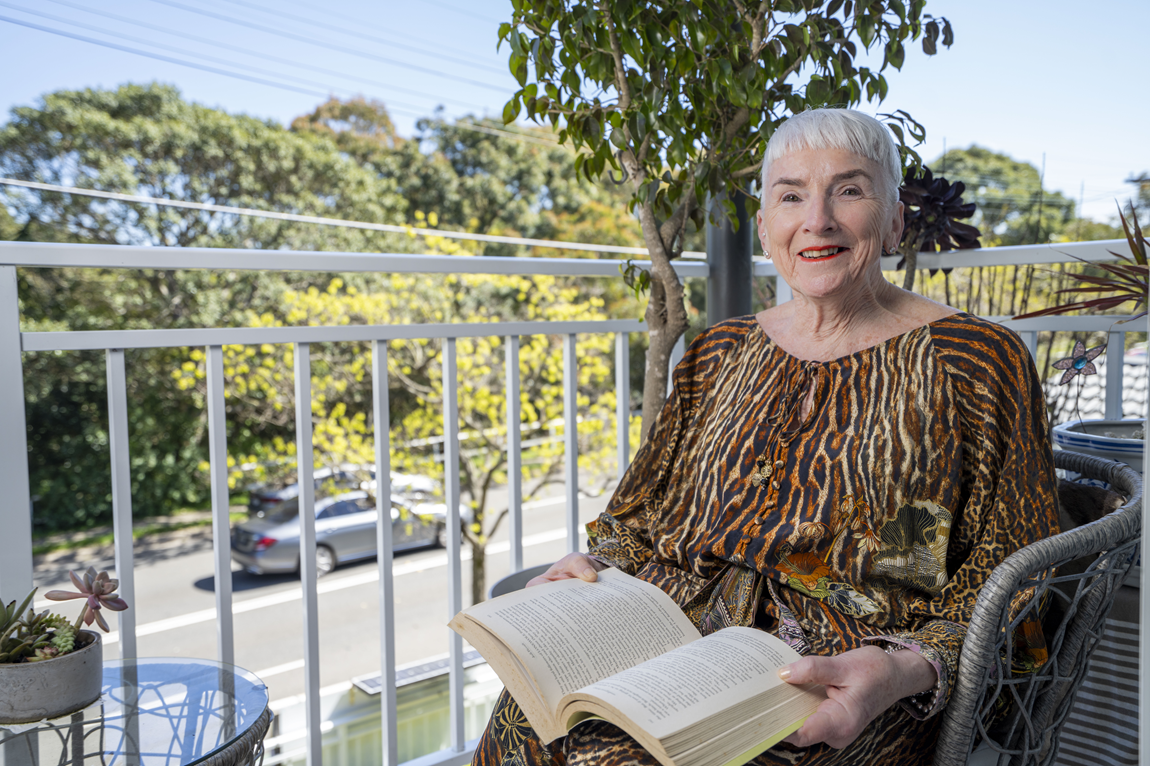
For Carmel, moving to Sydney retirement village, Queens Park, felt like coming home. After decades living in Sydney’s eastern suburbs—including right next door to the village—she knew the area well. “I used to hear music coming from the village and joke, ‘When I grow up, I’m going to jump the fence and live there,’” she recalls. Five years ago, she did just that.
Smart advice, secure future
Carmel’s move was prompted by a conversation with her financial advisor, who warned that renting would quickly deplete her savings. “I didn’t think I could afford retirement living,” she says. But he said, ‘If you rent, you’ll go through your savings in no time.’ It turned out to be the best advice I’ve ever received.”
Affordable retirement living in Sydney’s eastern suburbs
For Carmel, Sydney retirement village, Queens Park has been transformative. Her apartment overlooks the park she’s loved for decades, and most days she heads down to Bronte Beach. “I’ve been going there for 32 years,” she says. “It’s part of my routine, part of my life.”
She’s formed close friendships within the village and stays connected with friends nearby. Whether it’s bingo, happy hour, Zumba, or catching up with old friends and getting out to the nearby Bronte Beach, she embraces the independence and flexibility that life at Queens Park offers.
“It’s like family here,” she says. “We look out for each other. The staff are wonderful—I call them the Queens Park Angels.”
Peace of mind and support when needed
What sets Queens Park Retirement Village apart, Carmel says, is the peace of mind it offers. “I’ve got two shoulder replacements coming up. Knowing support is here when I need it makes all the difference.” With 24/7 on-site staff and access to personal care services, residents can maintain independence while knowing help is close by.
A village that feels like home
Queens Park is a boutique, Sydney retirement village offers independent and assisted living in a desirable Eastern Suburbs location—just minutes from Westfield Bondi Junction and beside Centennial Parklands. With no ACAT assessment required and 30 new serviced apartments now available, it’s a rare opportunity for older Australians to live affordably, securely, and joyfully.
“I always say, if I won Powerball, I’d still live here,” Carmel laughs. “It’s close to my happy places, and I couldn’t be in a better spot.”
Ready to start your next chapter?
If you’re looking for a secure, affordable, and vibrant lifestyle in one of Sydney’s most beautiful locations, Queens Park Retirement Village could be the perfect fit. With newly refurbished serviced apartments now available and no ACAT assessment required, there’s never been a better time to explore seniors living that feels like home.
Discover if Queens Park is right for you
You might also be interested in:
Not receiving our Vitality monthly newsletter yet? Share your details below and we’ll send you monthly updates, helpful tips, and inspiring stories to support you on your retirement journey.
The 5 most popular retirement living options

Staying in the family home
Enjoy the comfort of familiar surroundings and routines, with neighbours you know and love. If you value independence and your established community, staying put can be a great choice.
Just keep in mind the practicalities:
- The cost and logistics of managing home maintenance.
- Accessibility, safety and the risk of isolation if your mobility changes.
A home safety assessment can offer peace of mind, and My Aged Care is a helpful resource for support options.
Downsizing into an apartment or townhouse
Less space means less upkeep – more time for morning walks or coffee with friends. Apartments and townhouses offer privacy and security, with balconies or courtyards for quiet moments.
Here’s what to consider:
- Simple modifications for future comfort, like handrails or wider hallways.
- Most townhouses have stairs, so consider if you’ll be comfortable with them long-term.
- Get legal advice so that you know what property you own and what you share.
- Check body corporate fees as you will be liable for the maintenance of shared areas as well as your home.
Retirement villages
Retirement villages blend independence with community. Picture friendly chats in the resident lounge, rooftop BBQs, and support that’s there if you need it.
Homes are thoughtfully designed to support living and ageing well without compromising the warmth and style of homes. Wide walkways, deep showers, accessible fixtures and reinforced bathrooms are seamlessly included, ready to adapt if your needs change.
Here’s what to consider:
- Explore different villages to find the right fit.
- Always review costs and contracts and get legal and financial advice because everyone is different, and professional guidance helps protect your interests.
- Find out what support is available – even if you don’t need it now, being prepared brings peace of mind for the future.
Land lease communities
Own your ‘manufactured home’ or ‘moveable dwelling’ and rent the land it sits on. These communities are often located in scenic spots, with regular fees for shared amenities.
Most homes are considered affordable. However, the weekly fees are controlled by the operator and they can vary the fees as they wish.
Here’s what to consider:
- Check contracts and get legal advice so that you know what fees you will need to pay.
- Consider future accessibility and support needs and find out if support is available.
Residential aged care
For those needing full-time support, aged care homes offer peace of mind and clinical care.
Here’s what to consider:
- Look for quality reports from the Aged Care Quality and Safety Commission
- Consider proximity to family.
- Social activities and a sense of community matter at every stage.
Are you looking for retirement perfection?
Arcadia in leafy Yeronga offers brand‑new apartments, peaceful walks in nearby parks, and everything close at hand – local cafés, shops, medical services and public transport. Support is available if it’s ever needed, and out of the way when it’s not.
Discover if Arcadia could be a good fit for you and your family.

Not receiving our Vitality monthly newsletter yet? Share your details below and we’ll send you monthly updates, helpful tips, and inspiring stories to support you on your retirement journey.
6 reasons why retirement villages are good for you

1. Stay connected, feel better
Life in a retirement community means friendly neighbours, regular catchups, and a calendar full of social events. Research from the Retirement Living Council shows residents are five times more socially active and 41% happier than those living alone.
2. Live longer, live well
A Swedish study has shown that being socially active can add years to your life. A social network, easy access to leisure activities and amenities in a retirement community make it easy to stay socially active and therefore independent.
3.Support when you need it
Whether it’s a weather event or a health scare, knowing help is close by brings comfort. Living in a RetireAustralia community like Arcadia, means a dedicated on-site team that is always close by, so you can relax and enjoy the good life.
4. Fewer hospital visits
Purposefully designed and built homes and onsite support mean fewer falls and less time in hospital. Research from Grant Thornton shows that residents are 20% less likely to require hospitalisation compare to non-residents.
5. Keep your mind sharp
Meaningful activities – like music, art, reading, and arts and crafts – help reduce stress and lower the risk of dementia. In RetireAustralia communities, like Arcadia, there’s always something to do. Whether it’s a group activity, meeting friends at happy hour or simply enjoying a walk through the landscaped gardens, you’ll feel a genuine sense of belonging in a place designed to help you thrive.
6. Delay aged care
Retirement village residents move into aged care later than those living in the family home – on average, 5 years later. That means more time enjoying the good life.
Looking for a retirement lifestyle that feels effortless?
Arcadia brings everyday ease within reach: brand-new apartments and a range of amenities – including a library, cinema, gym, craft room, rooftop BBQ area, and resident lounge – all designed for comfort and convenience. Choose the pace that suits you and your family, knowing help is there if required and discreet when it isn’t.
Discover if Arcadia could be a good fit for you and your family.
Not receiving our Vitality monthly newsletter yet? Share your details below and we’ll send you monthly updates, helpful tips, and inspiring stories to support you on your retirement journey.