
RetireAustralia expands and revitalises its largest Queensland retirement village
RetireAustralia is expanding and revitalising Carlyle Gardens Retirement Village in Bargara, with a multistage development delivering 38 new independent living villas alongside substantial upgrades to shared community amenities.
Carlyle Gardens is RetireAustralia’s largest village in Queensland, and the expansion reflects the ongoing strength and demand for high quality retirement living in the Bundaberg region. Village occupancy sits above 95 per cent, with an average of 15 to 20 resales each year and a waiting list, underscoring the community’s popularity and long-term appeal.
The ~$32 million, four stage expansion will deliver 38 new villas across 2026, increasing the village to a total of 332 homes when complete. Alongside the new homes, RetireAustralia is investing a further approximately $4 million in revitalising existing village infrastructure and shared spaces.
Stage 1 of the project has now reached practical completion, delivering the first six new villas as well as a suite of community upgrades. Construction has been formally handed over to Operations, with preparations underway to welcome new residents in the coming weeks.
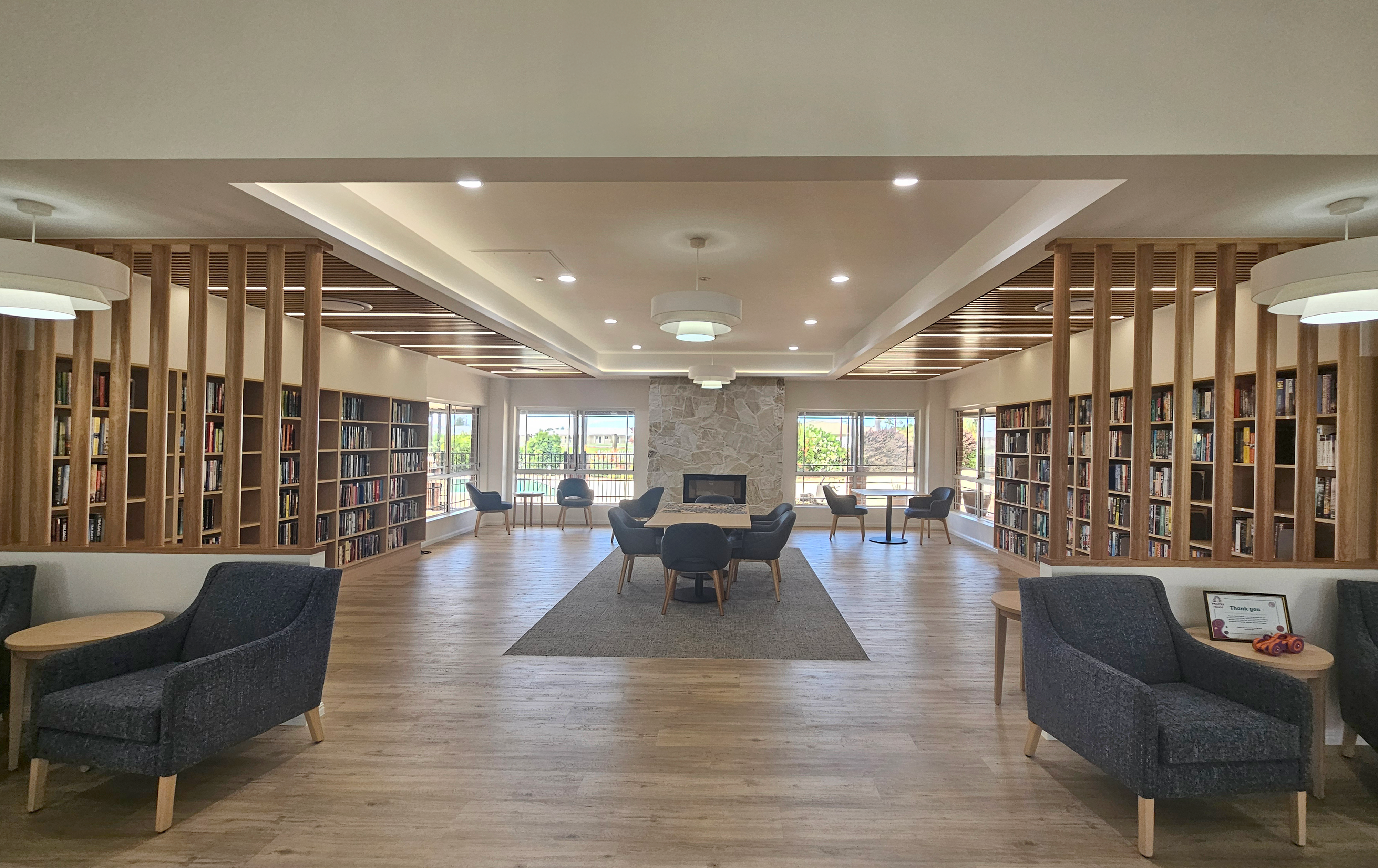
A major focus of the revitalisation has been the Community Centre, the heart of daily life at Carlyle Gardens. Upgrades include refreshed interiors, improved air-conditioning, new furniture, enhanced wayfinding signage and revitalised indoor and outdoor spaces that better support social connection, activities and events.
The works have also included road upgrades, improvements to outdoor dining and pool areas, an upgraded entry and porte cochère, and the return of the much-loved community garden, reinstating an important shared space for residents.
“This investment reflects the strength of demand we continue to see at Carlyle Gardens and across the Bundaberg region,” said Brett Robinson, CEO RetireAustralia.
“By combining new homes with targeted upgrades to shared amenities, we’re ensuring our largest Queensland village remains a vibrant, well-connected community for years to come.”
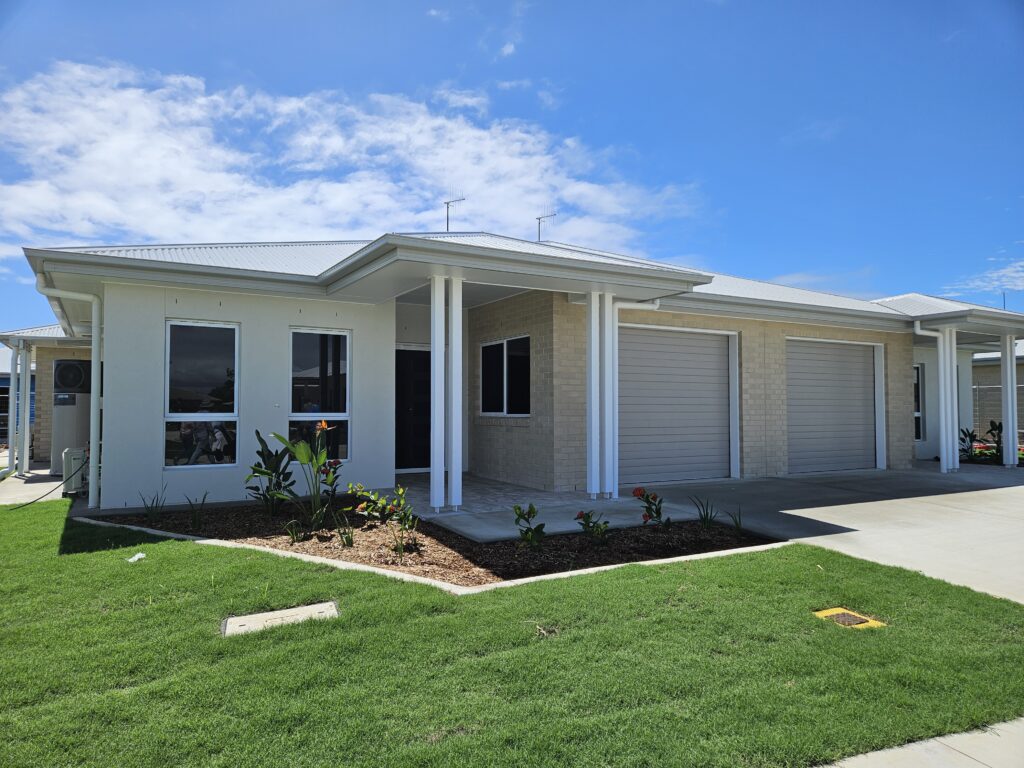
A newly completed independent living villa at Carlyle Gardens Retirement Village.
The new villas have been built to Australian Liveable Housing Gold Standard, supporting accessibility and independent living, and form part of a broader approach to ensuring Carlyle Gardens continues to meet the evolving needs of residents.
When all stages of the expansion are complete, Carlyle Gardens will continue to build on its reputation as a strong, connected and highly sought after retirement community in the Bundaberg region.
Yeronga: Brisbane's best-kept secret for the good life in retirement

Some suburbs are convenient. Some are beautiful. A few make everyday life easier without trying to impress.
Just 8km south of Brisbane’s CBD, Yeronga is one of those places. Retirement here is less about slowing down and more about living well, with space, greenery and easy access to the city.
You’re close to the city, without the rush.
You know your neighbours, while still enjoying privacy.
You stay active, because daily life naturally keeps you moving.
That’s why many people describe Yeronga as one of the best suburb for retirement living in Brisbane.
A community that feels familiar
What people notice first isn’t the scenery alone – it’s the strength of the local community.
Yeronga still behaves like a neighbourhood. Locals greet each other at cafés and walking paths are natural meeting places.
Whether it’s a relaxed lunch or live music at Club Yeronga, a morning swim at Yeronga Park Memorial pool, or following community sport at Leyshon Park, social life here unfolds naturally.
For many retirees, that sense of belonging is what defines a satisfying retirement.
Connection happens naturally through:
- Cafés and bakeries.
- Pharmacies and medical rooms.
- Groceries and casual dining.
Independence that comes naturally
Transport plays a big role in everyday independence. Life in Yeronga makes it easy.
With a local train station, the CBD is under 20 minutes away. South Bank, West End, shops and medical services are all within easy reach without turning a simple outing into a day-long plan.
You can head out for an appointment, meet friends for lunch or pop into the city, whether you choose to drive, take the train or walk locally.
It’s a small detail that makes a lasting difference.
Green spaces you enjoy, not maintain
Downsizing often means letting go of a garden. In Yeronga, you trade upkeep for enjoyment.
Leafy streets, jacarandas and nearby green spaces make walking part of everyday life. Yeronga Memorial Park and the Brisbane River paths close by offer gentle movement, fresh air and routine.
You still live among greenery. You just don’t spend weekends looking after it.
Everyday living, made lighter
The real benefit of Yeronga isn’t dramatic, it’s the daily ease that adds up over time.
You can walk to:
- Cafés and bakeries.
- Pharmacies and medical rooms.
- Groceries and casual dining.
Outings don’t need planning, you step outside and go.
Riverside paths and green parklands keep you moving without scheduling “exercise”. While social contact happens naturally, not through a calendar.
Close to care, without feeling clinical
Hospitals, specialists and medical services are nearby, but the suburb itself doesn’t feel clinical or institutional.
Many older residents say this gives them peace of mind, knowing support is close, while everyday life remains firmly independent.
The good life, without compromise
Retirement shouldn’t shrink your world. It should simplify it.
Yeronga delivers a rare mix of calm and connection. Green, practical and naturally social, it places Brisbane’s culture and services within easy reach, while everyday living feels effortless.
Some places are popular. Some are convenient. A few consistently deliver the good life. Yeronga is one of them.
Retirement living in the heart of Yeronga
At the heart of Yeronga, Arcadia Retirement Living has been thoughtfully designed for people who want to enjoy the suburb’s lifestyle without the upkeep of a traditional home. More comfort, more connection, and more freedom to live life their way.
Here, retirement is about living well every day. Premium, low‑maintenance apartments sit within a welcoming community that feels connected to the neighbourhood around it. You’re close to cafés, green spaces, clubs and transport, while having access to beautifully designed shared spaces that make it easy to socialise, stay active or simply relax.
Life at Arcadia is about choice, how you spend your time, who you connect with and how you live. It’s independent living, elevated, designed to help you live well today, and feel confident about tomorrow.
Learn more about retirement living in Yeronga.

Ageing well in Australia: 10 trends changing what retirement looks like

Retirement in Australia no longer means slowing down. Today’s retirees are healthier, more connected and far more intentional about how they want to live. Instead of retreating from life, they are redesigning it: prioritising purpose, independence and wellbeing.
As life expectancy rises and expectations evolve, ageing well has become less about age and more about lifestyle. Here are the 10 major trends reshaping retirement living across Australia.
1. Retirement has shifted from end point to opportunity
For decades, retirement marked the end of productivity. Now it marks the beginning of flexibility. Australians retiring today expect:
- New hobbies and skills.
- Part-time or passion work.
- Travel and experiences.
- Personal growth.
Many people are working into their late 60s or 70s by choice rather than necessity. This shift is creating a “third age”, a long, active chapter between your working years and later life.
Retirement planning now focuses on how you want to live, not just how long your savings last.
2. Living well matters more than just living longer
Australians are living longer, but more importantly, they want to stay stronger for longer.
More retirees are focusing on strength and balance exercises, keeping their mind sharp, eating well for energy, and seeing their doctor before problems arise.
Residents want to swim, walk, cycle, and travel well into their 80s. That is entirely possible with the right habits.
3. Community is replacing isolation
Loneliness is one of the greatest health risks for older Australians. This is why many older Australians are choosing community-based living over remaining in large empty homes. Modern retirement communities offer:
- Shared dining and social spaces.
- Hobby and fitness groups, workshops and volunteering opportunities.
- Intergenerational activities.
- Built-in friendship networks.
Many people are not moving because they have to, they are moving because they are looking for a fuller, richer life.
4. Downsizing is about freedom, not compromise
The old idea of “giving up your home” has changed completely. Today, downsizing is seen as gaining time. Less space to maintain means fewer weekends spent cleaning, mowing, and fixing things – freeing up time for the things you value most.
People are choosing smaller, easier homes so they can spend more time on travel, family, exercise, hobbies and simply relaxing, without the hassle of maintaining a large family home.
Downsizing is a choice. And for many, it is one of the best ones they have made.
5. Smart technology is enabling independence
You do not have to be a tech expert to benefit from new tools designed to help older Australians.
Simple, helpful technology is now widely available, including:
- Voice assistants that answer questions and control lights.
- Wearables that detect falls and call for help automatically.
- Telehealth so you can see your doctor from home by video.
- Reminders so medications are never missed.
These tools are not about replacing people. They are about giving you more confidence to live independently for longer.
6. Retirement living is moving closer to what you love
Historically, retirement communities were built far from the main centres where land was cheaper. This is changing rapidly.
Today retirees want to be close to cafés, restaurants, and shops, arts and community events, good public transport, and doctors and hospitals.
Retirement communities in and around cities are growing fast. People want convenience and connection, not distance and isolation. Examples of this include Arcadia Retirement Living and The Green at Tarragindi, two new retirement communities close to everything that Brisbane has to offer.
7. Retirement living options are more varied than they used to be
Retirement living is no longer just one model, there are now many options to consider.
Some people choose to live fully independently in a community setting. Others prefer a little extra support with Support at Home services as part of their daily routine. Some are looking for serviced apartment living where their meals, linen and laundry are taken care of, but they maintain their independence.
Many communities are designed specifically around lifestyle, making it easy to enjoy each day.
8. Planning for life, not just finances
Financial planning still matters, but today it’s part of a much bigger picture. Increasingly, it’s about aligning your money with the life you want to live, both now and in the years ahead.
Rather than focusing solely on balances and timelines, more Australians are asking more meaningful questions:
- Where will I feel most fulfilled and at ease?
- What kind of environment will support my health, independence and enjoyment of life?
- How can I make thoughtful choices now, instead of being forced into rushed decisions later?
Planning early – while you feel well and have options – gives you control. Your finances become an enabler, supporting your goals, priorities and aspirations. Instead of reacting to change, you are using your resources deliberately to shape a life that reflects what matters most to you.
9. Flexible work and purpose continue into retirement
For many Australians, retirement is no longer about stepping away from contribution altogether. Instead, it offers the freedom to stay engaged in ways that feel meaningful, flexible and personally rewarding.
Rather than filling time, retirees are seeking purpose. They want opportunities to use their experience, stay mentally active and remain connected to their communities. This might take many forms, including:
- Sharing knowledge through mentoring or advisory roles.
- Volunteering for causes that align with personal values.
- Continuing to learn, whether through study, creative pursuits or new skills.
- Exploring passion projects, creative endeavours or small, self‑directed ventures.
Research consistently shows that maintaining a sense of purpose and engagement is strongly linked to better health and wellbeing as we age. Retirement, for many, is not an end to meaningful work but a chance to redefine it on their own terms.
10. More Australians are choosing home‑based care first
Increasingly, the focus is on supporting people to remain in their own homes and communities – where they feel most comfortable, connected and in control – for as long as possible.
Support is now intended to be flexible and responsive. With Support at Home services, assistance can be introduced gradually and adjusted as needs change. Many people begin with light help around the home, allowing them to maintain independence, routines and relationships, with more intensive care considered only if circumstances shift.
Planning ahead is key. By arranging support early, people retain choice and continuity, avoiding rushed decisions later and gaining reassurance that care can adapt over time—without the need to leave the community that feels like home.
The future of ageing in Australia
Ageing well today means staying active and connected, building friendships and community, planning your environment before you need to, protecting your health for the long term, and making choices, while you still have plenty of them.
Retirement is no longer the end of a chapter. For many Australians, it is becoming one of the most rewarding times of their lives – by design, not by default.
If these trends reflect what you want from your next chapter, retirement living may be one option worth understanding. Our Retire Ready guide explains how it works and what to consider.
Why financial planning in retirement matters – and how to get it right

When it comes to retirement, financial planning isn’t just helpful, it’s essential. Whether you're already retired or just starting to consider your next steps, understanding your financial position can make all the difference in maintaining the lifestyle you want and navigating the transitions ahead.
Why financial planning in retirement is so important
Retirement is a time when your income sources typically become more fixed. Planning ensures you know where you stand financially and helps you avoid unpleasant surprises. It’s not just about having enough money – it’s about living the life you want, mapping out how that retirement might look and anticipating changes that could impact you financially down the track.
Thinking about moving to a retirement village?
One of the big questions many retirees face is whether to move into a retirement village. It’s a significant lifestyle change, and just like any move, it comes with financial implications.
Before making the leap, consider:
- Upfront and ongoing costs: These can vary greatly between villages, so it’s crucial to read the fine print.
- Exit fees: Understand what happens if you leave the village, some contracts include deferred management fees or other exit charges.
- Frequency of moving: It’s best to minimise moves during retirement to reduce stress and costs. Finding the right place the first time is key.
- Comfort and fit: Beyond finances, make sure the environment feels right for you.
The value of expert advice
Getting expert advice is crucial. Financial advisers can help you understand your budget, how your decisions will impact your retirement income, and whether you’ll still be eligible for government entitlements like the age pension or rent assistance. Legal advice is also important, particularly with contracts that aren’t standard. This helps you avoid confusion and ensures you’re protected.
Planning for future care
It’s not always easy to think about, but planning for potential future care needs is wise. Many retirement villages today include, or are located near, aged care options. Factoring this into your decision now can save you from another disruptive move later. Choosing a village that offers continuity of care could be a practical and emotional safety net.
Finding the right community
Ultimately, you want to feel at home. Location matters as many people prefer to stay close to family and friends. But word of mouth can also be a powerful tool. Speak to people already living in retirement villages, visit a few yourself and spend time exploring the facilities and amenities. How you feel when you’re there is just as important as the numbers on a spreadsheet.
The bottom line
Retirement can and should be a fulfilling chapter of life, but achieving that takes planning. Financial advice, legal clarity and a proactive approach to future needs all help set you up for a secure and enjoyable retirement. Don’t leave it to chance, understand your position, make informed decisions, and invest the time now to live confidently later.