
It’s Toni’s luck of the Irish at Bramblewood
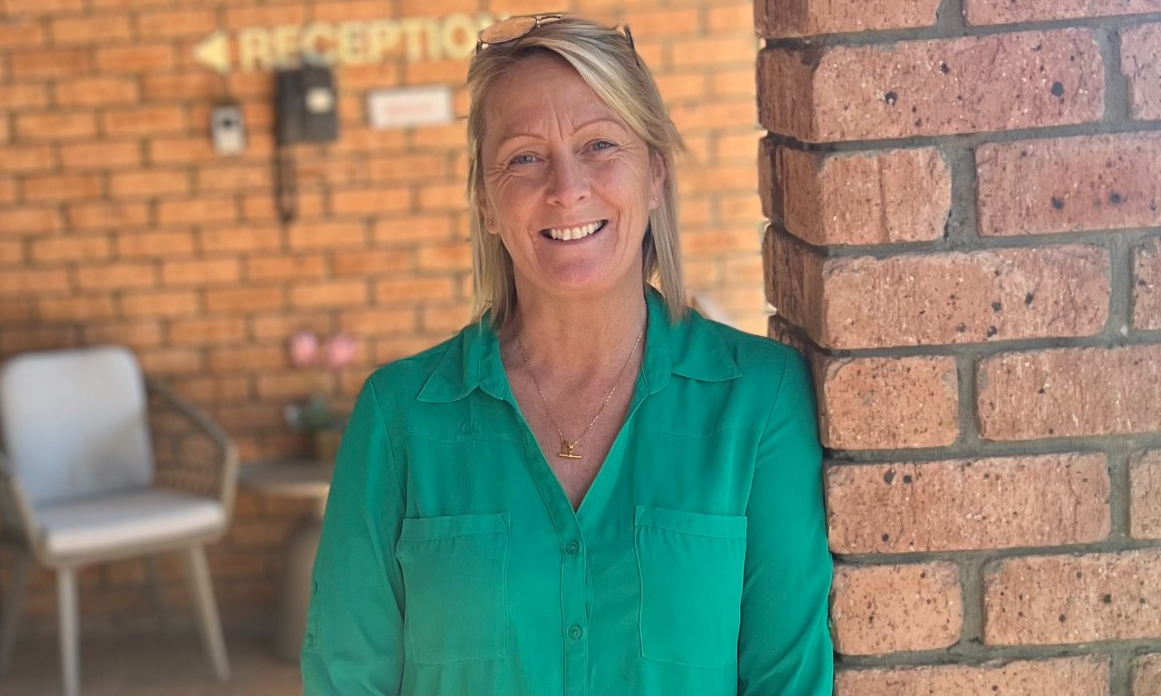
One of the most important qualities a Village Manager can have is being a people person, and that is a quality that Bramblewood Retirement Village’s Toni Dunphy has in spades. Toni’s eyes light up as she animatedly chats with village residents and ensures they’re well looked after. Yet, when Toni and her husband immigrated from Ireland five years ago, she wasn’t planning to work in a retirement village.
“My own mother suffered from dementia and was in nursing care in Ireland and I always said: ‘when we move to Australia I’m not working in aged care or retirement’,” says Toni. “I thought it would remind me of missing Mam at home, but actually it had the opposite effect, and I found I was treating the residents how I wanted my Mam to be treated.”
A new start
When Toni and her family arrived in Australia, her husband began working as the chef at Bramblewood. In time, Toni, also a qualified chef, took his place cooking up delicious and nutritious meals for village residents. Very quickly, Toni built up a beautiful rapport with the residents and became an important part of the village.
“Bramblewood, being a small village with a small team, meant that Toni was often covering for the Village Manager while she was on leave,” says Mary Matakitoga, Manager – Regional Operations NSW. “Toni has been open to learning and took every opportunity to grow and develop as much as possible before the previous Village Manager left. So, she was already doing a lot of the role already.”
When the role of Village Manager came up, Toni was asked if she would consider the role.
“My manager Mary approached me and asked if I’d be interested in becoming the Village Manager and I jumped at the opportunity. I’ve been in the role two years and have loved it ever since,” says Toni. “I had built up a great relationship with the residents through the kitchen, so I had no problem sliding into the role and giving it a go. Now I absolutely love it.”
Toni’s gift of the gab and natural way of helping people has made her a tremendous success in the role, despite not having a background in office work.
“In the beginning working in an office and behind a computer was a challenge,” says Toni. “But my manager kept telling me it was only a small part of my role; the bigger part of the job was the residents and having a rapport with them. My main thing is I love people, I love talking and I love listening.”
Her manager Mary says: “Toni has shown that she is capable of not only being a Village Manager, but a great one! She’s absolute gem and well loved by her team and residents.”
Toni had developed many of the skills needed to be a good Village Manager in a variety of roles in Ireland. Toni had spent 24 years working in a private boarding school as a chef. During that time and while also raising two children, Toni was also involved in peer-led groups for families dealing with addiction. This type of work has already provided skills that she was able to transfer into her role at Bramblewood.
“I love giving people the tools to navigate and live their lives separate to the challenges going on around them. I think that helped me here too,” Toni explains.
Life in the village
As you step into Bramblewood you can feel Toni’s contagious energy everywhere. Toni and her team go out of their way to make sure the residents have a fulfilling and fun life in the village. The regular theme nights are a favourite among both the residents and the village team.
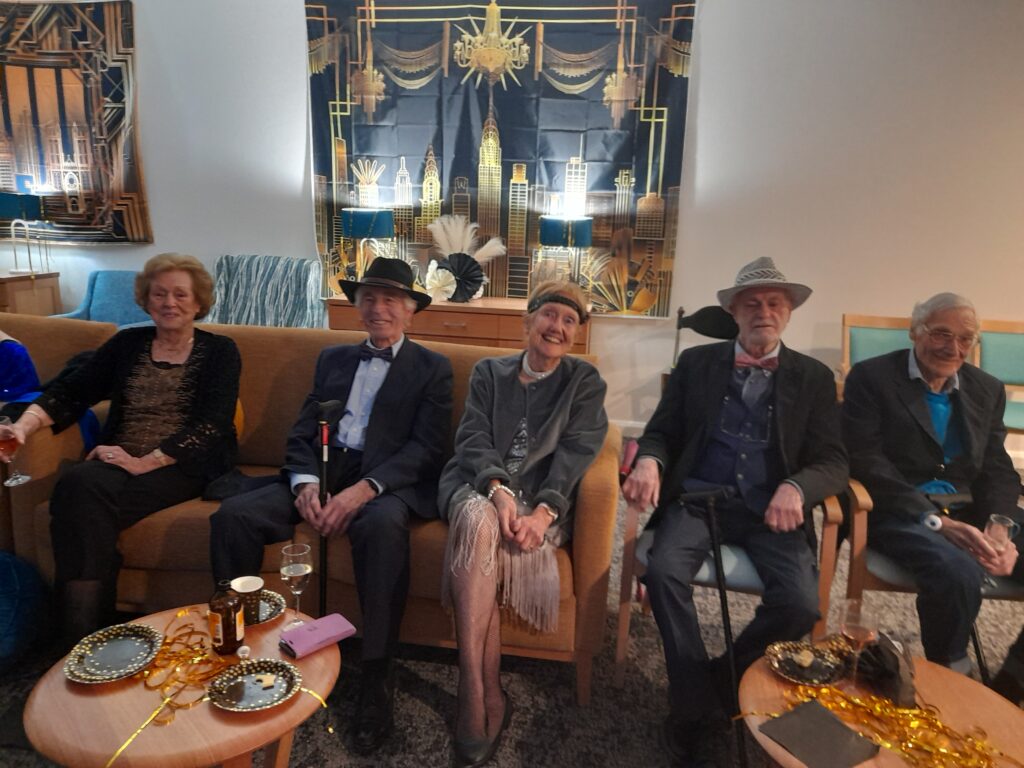
“We once did a Spanish night, everyone dressed up and Gary in the kitchen made a paella, we had prizes. The residents loved that,” says Toni. “We’ve done a French night and an Italian night. We’ve done a ’60s night and a Great Gatsby night. Everyone gets dressed up, which is all part of the fun.”
Toni says that it’s a team effort at Bramblewood and that she couldn’t do it without everyone who works there: “I wish I could say it’s all me, but of course the team including Gary, Julietta and Karen, are a huge part of Bramblewood. We all pitch in and support each other, so we can support the residents.”
All about the residents
The centre of Toni’s life in the village are the residents and she works hard to ensure they are always well looked after.
“I love the residents. Even when I have a bad day, I love interacting and having a laugh with them,” says Toni. “I love trying make their life more comfortable here by being light-hearted and getting them involved in things. Trying to make their time here as enjoyable as possible.”
The residents all agree that Toni is the life of the village and ensures they live a secure and happy life.
“Toni is wonderful!” says resident Lynne. “She’s a little dynamo who has us all smiling!”
Resident John agrees, saying: “The management here is what makes Bramblewood good. Toni is wonderful, she looks after us all so well. All we need to do is ask!”
It’s not just the residents who benefit from the Village Manager’s kindness and compassion, but Toni herself says she gets so much out of her role.
“To have the opportunity to do something and make a difference, it sounds cliché but it’s true – when you make a difference to someone else’s life you make a difference to your own life.”
Find a community that’s right for you.
Not receiving our Vitality monthly newsletter yet? Share your details below and we’ll send you monthly updates, helpful tips, and inspiring stories to support you on your retirement journey.
You might also be interested in:



Eating well to age well: nutrition for older adults
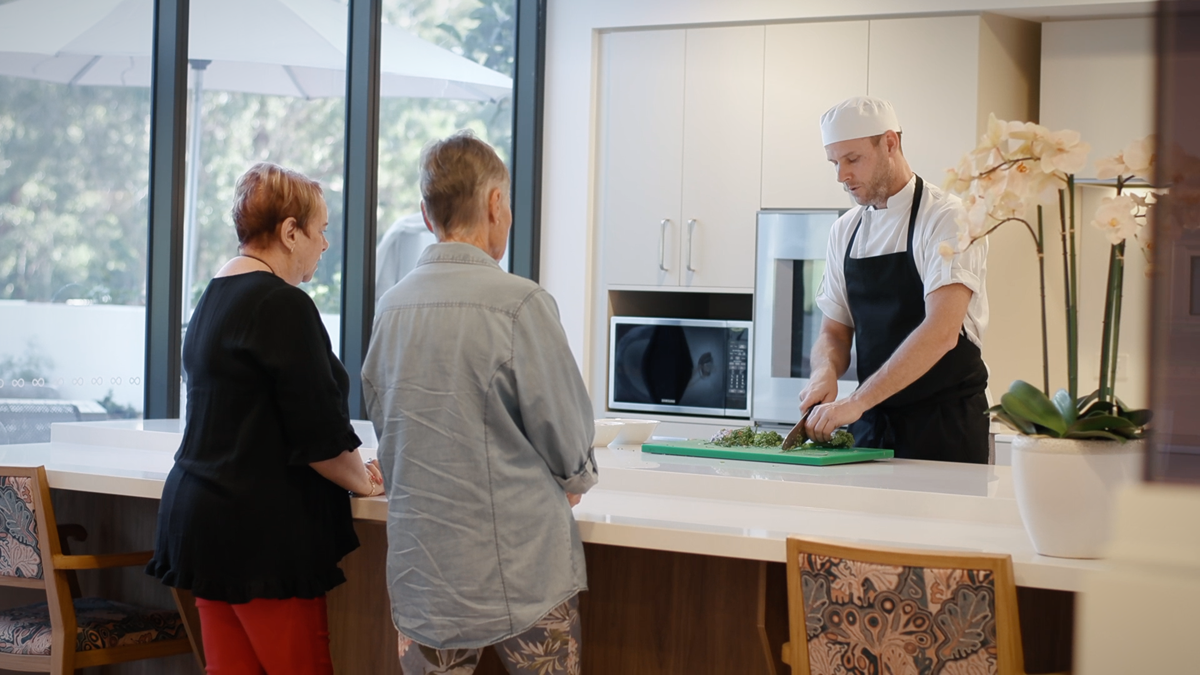
Nutrition is important at any age, but as we get older our requirements change to ensure we stay healthy and vital. We look at how our needs change as we age, what we can do to stay healthy and take a peek at what’s happening in the kitchens in some of our RetireAustralia villages.
Eat well to age well
As we get older the type of foods we enjoy and the amount we eat often changes. This is just part of the natural ageing process, but it’s important to ensure that what we’re eating gives us the vitamins, minerals and nutrients we need to thrive.
Eating a wide range of healthy foods such as fruits, vegetables, lean meats and dairy as part of our diet remains the same as we get older. As our appetite decreases as we get older, it’s important to make sure that every meal and snack has all the nutritional values that we need. Of course, it’s equally important to still have those treats that we enjoy whether it’s a chocolate biscuit with a cup of tea or slice of cake to celebrate a birthday, just make sure you prioritise your other meals.
What to consider:
- Nutrient dense food. As our hunger tends to decrease as we age and we generally eat less, choose foods that will give you the most nutrients, such as fruits, vegetables, lean meats, legumes and whole grains. Avoid alcohol, soft drinks and overly processed foods, that will fill you up but have no nutritional value.
- Salt. Avoid adding unnecessary salt to your food or eating processed foods that are high in salt as too much salt can contribute to high blood pressure and heart disease.
- Water. You may not feel as thirsty as often, even if your body needs water, so it’s important to aim to drink around six times a day (or more in the summer months). Water is always best, but sparkling water and reduced fat milk can count towards your fluid intake.
- Calcium. As we get older our calcium requirements increase, especially for women. So make sure to include dairy products such as milk, cheese and yoghurt to your plate.
Nutrition and meals in our communities
The old adage ‘the kitchen is the heart of the home’ applies equally to our communities. They provide opportunities for residents to connect over healthy and delicious meals prepared by our passionate and skilled on-site teams.
“Nutrition is always the primary focus,” says Jared Kerr, chef at the Care Hub at The Verge. “We have a responsibility to provide nutritionally balanced meals to residents, but also to prepare dishes that’s full of flavour.”
Bramblewood Retirement Village Manager and qualified chef Toni Dunphy says, “When creating meals for residents it’s important to note not only their dietary requirements, but also foods with no added sugars, salt, or saturated fats. Also, older people can have deficiencies in calcium, vitamin B12, vitamin D, iron and other important nutrients, so we try to add green leafy vegetables such as kale, spinach and broccoli.”
Similarly, at Belrose Country Club in Sydney, chef Kamal Kishor says: “I invest a lot of time considering how to improve our offerings—what the residents need, what they enjoy, and what’s healthiest for them. I’m committed to using fresh, quality ingredients and always welcome their feedback.
“Cooking isn’t just about satisfying hunger; it’s about addressing varied nutritional needs.”
More than just nutrition
For all of us though, food is more than just nutrition – we also eat for enjoyment and the taste. This is something that our chefs also take into serious consideration.
“Not all residents may enjoy a spicy dish, but then we have some that don’t like the meat and two veg. It’s all about finding the balance and trying to ensure our residents enjoy their meal experience,” says Toni. “We all eat with our eyes, if the food looks appetising, we will enjoy it. There is nothing worse to get a plate of food that’s thrown on a plate with no thought.”
Meals are also important rituals and a time to share something with those that are special to us. This is certainly true in our village dining rooms and our teams work hard to ensure that mealtime is enjoyable.
“Residents eating together at the village is very important,” says Toni. “It creates a sense of belonging and coming to have a chat with other residents gives them a sense of purpose.”
For many of our chefs preparing meals is more than simply a job, it’s a rewarding experience.
“It’s like cooking for friends and family,” says Jared. “You get a genuine sense of satisfaction from seeing them enjoy their meals.”
While Kamal says: “The warmth and affection I receive from the residents drive me to continually strive for excellence in every dish I prepare.”

Try a taste of village life at home
Jared Kerr, the chef at the Care Hub at The Verge at Burleigh on the Gold Coast, shares with us one of his delicious recipes. Jared says: “I first tried this dish in Montmartre (Paris) and instantly loved it. I also tried escargot (snails) on the same trip to France, but didn’t enjoy them quite as much!”
Jared’s Beef Bourguignon (serves 4)
Ingredients
1.5kg chuck steak (diced into 5cm cubes)
750ml bottle of Pinot Noir
200g of bacon, Diced
2 tbsp tomato paste
2 large carrots – cut in 3cm cubes
500ml beef stock
12 shallot onions
200g halved button mushrooms
4 garlic cloves, chopped
2 bay leaves
2 sprigs of thyme
Olive oil
1 tbsp of unsalted butter
Method
1 – Marinate Beef Overnight in the Pinot Noir, thyme & bay leaves
2 – Add olive oil in a large pot and seal beef in batches until browned (keeping the marinade aside)
3 – Remove all sealed beef from the pot
4 – Add bacon & garlic to the same pot (keeping the meat juices in), and cook for 2 minutes
5 – Add mushrooms, carrots and a tablespoon of butter to the pot with the bacon and onions in and sautee for another 2 minutes
6 – Add the sealed beef as well as the red wine marinade back to the pot, along with the beef stock and tomato paste
7 – Bring to the boil for 10 minutes, reduce to low heat (simmer) for an hour – stir every 20 minutes
8 – Check meat and cook for a further 90 minutes on low heat, continuing to stir every 15 minutes until nicely reduced
Serve over mashed potatoes and green beans, or alternatively the French will serve this over macaroni.
Discover if retirement living is for you. Download the FREE Retire Ready Guide.
Not receiving our Vitality monthly newsletter yet? Share your details below and we’ll send you monthly updates, helpful tips, and inspiring stories to support you on your retirement journey.
You might also be interested in:
Margaret and Richard's fight against dementia
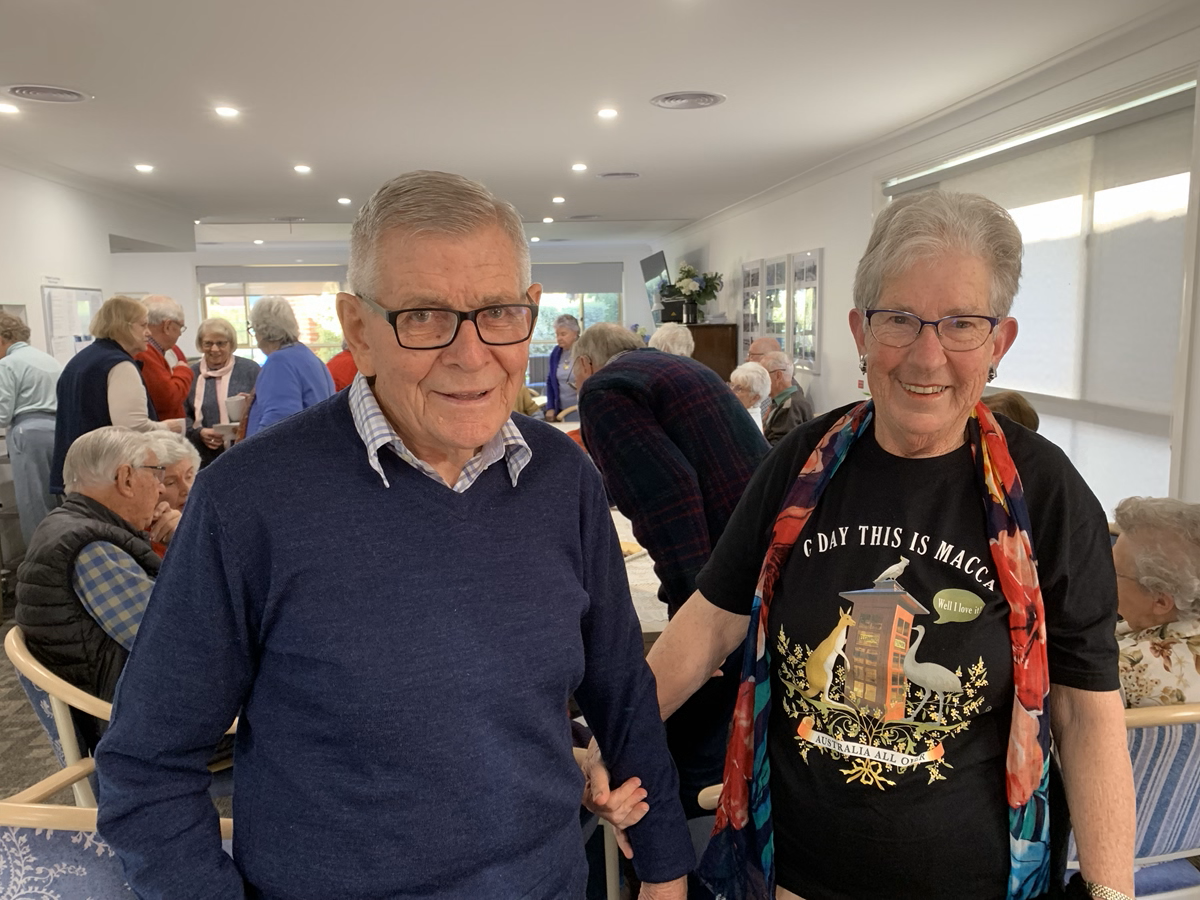
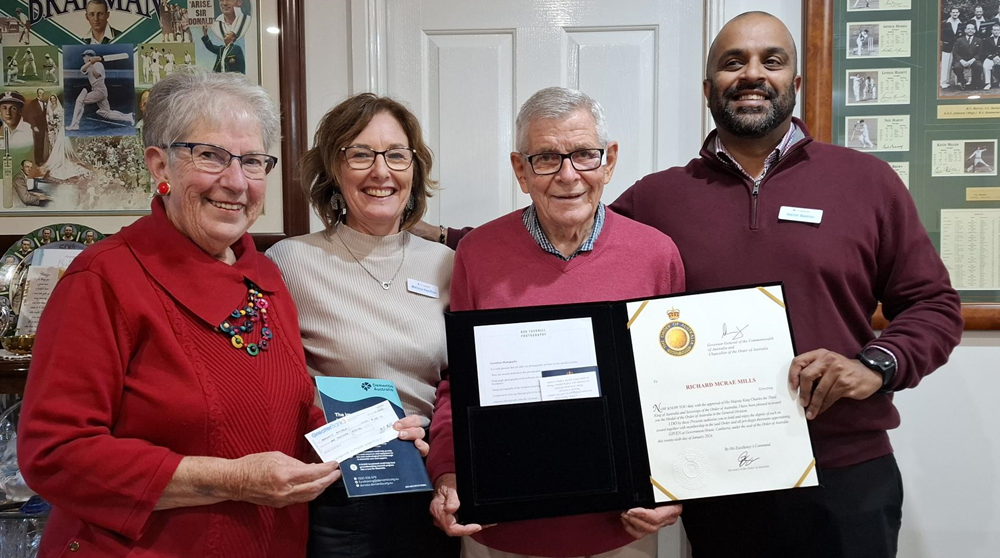
Newling Gardens Retirement Village resident Richard Mills has dedicated his life to the service of others. Over the past 65 years, Richard has been involved in many charities and causes in the Armidale community where five generations of his family have lived. Just some of the causes Richard has dedicated his time and energy to include the Armidale Building Society, Ascent Disabilities, Rotary, Camp Quality, Meals on Wheels, local schools, churches, and day care centres to name just some of them. Richard’s incredible contribution to the community was recognised in the 2024 Australia Day awards, with him being presented an Order of Australia.
Richard’s life of charitable work has always been supported by Margaret, his wife of 56 years who has spent many years making her famous and delicious jams, chutneys and pickles to raise money. The couple have lived at Newling Gardens for the past 10 years and Margaret’s products known as Mills’ Pickle Factory are well-loved by the Newling Gardens community.
Unfortunately, Richard is now suffering from dementia, but Margaret is still fighting the cause for them both. All the proceeds from Margaret’s products now go to Dementia Australia and being of service is something she’s still passionate about.
“Everyone is given a talent, there is a lot we can do for each other,” says Margaret. “If everyone did just a little bit it could make the world so much better. Even if it’s just sitting and listening to someone.
“I’ve walked the streets of Armidale flogging jam, but now I have an outlet in the village,” says Margaret. “Thanks to the village people, who buy these jams and pickles, we can send Dementia Australia $1000 each year. It’s surprising what jams can add up to.”
Village Manager Sue Nelson says everyone in the village loves Margaret’s creations and even contractors who come to do work in the village make sure they stop and buy a jar.
“Margaret works hard to produce all the jams and pickles from her kitchen, as well as care for Richard full time,” says Sue. “It beautiful that she continues to support Dementia Australia.”
Richard’s family have been a long-time supporters of Dementia Australia, both of Richard ’s cousins who died with dementia donated their whole estates to the organisation. This allowed Dementia Australia to build a centre that is a one-stop shop for dementia diagnosis, saving people wait and travel times visiting different doctors and specialists. The Gibson-Denny Centre in North Ryde, Sydney was named in their honour.
Medal of honour
Taking a trip to Sydney to see Richard be presented with his Order of Australia was a wonderful event for Margaret and their family. It gave the family an opportunity to spend time together and finally recognise all that Richard has achieved in his life.
“We made a holiday of it and the children got us a hotel room overlooking the Harbour Bridge,” says Margaret. “It was wonderful! We could see the lights changing and had a sneak peek of the Vivid festival.
“We all went up to Government House to for the ceremony and meet the Governor as well. It was wonderful see Richard receive his award from the Governor.”
Home is where their heart is
Margaret says their life in the village is great, with thanks to the Village Manager Sue and her dedicated team.
“Familiarity is the best thing for Richard, so we want to stay in the village as long as we can,” says Margaret. “Sue and the team go out of their way to make sure we’re OK and check in on us, they’re just so supportive.
“Sue is always there, constantly giving to everyone in the village. It can be full on for her and I don’t know how she and the team do it! They never complain, though.”
As dementia rates climb in Australia, there is more awareness of the disease by the general population and retirement villages have had to adapt to ensure everyone is kept safe.
“We are there to support Margaret and Richard as much as we can as they go through the different stages and changes of dementia. I’ve been able to guide them to receive help from their doctors or carers,” says Sue. “Often, it’s just listening. Everyone has a bad day and that’s OK. We can have a cup of tea and vent and that can make a difference.”
To provide practical, day-to-day care and support to allow the couple to safely remain at home, Richard has a level 3 Home Care Package, provided by New England Care, a reputable local care provider who RetireAustralia has partnered with to deliver services in the village. He has carers visit 3-4 times a week to shower him and take him for a walk. Another carer takes him out for 2.5 hours one day a week to have lunch, go to the bank or go shopping. This also provides some respite time for Margaret to have a rest or catch up with her own tasks.
The package also allows them to have a cleaner, gardener and physio come once a fortnight. Margaret says she wouldn’t be able to manage without the help they receive through the Home Care Package.
“All the carers love Richard and treat him beautifully. Some days he needs some extra sleep so they will come and chat with me, which is just as good as the help they provide him,” says Margaret. “Richard has always been interested in people, so he’s forever interacting with the carers who come and knows all about their lives.”
Staying involved
While not as active as they once were, Margaret and Richard still make sure they take part in village life and stay connected to the community.
“We try to get the activities and exercise classes in the village, to stay involved,” says Margaret. “The team recently held a breakfast, and I told them we would come down a bit later when it wasn’t so busy. Then there was a knock at the door, and they had brought breakfast to us so we didn’t miss out!”
It’s moments like these that keep Margaret going and her spirits buoyed.
“Life can be tough. Just when I think I can’t go on, something nice will happen and that keeps me going.”
Find a community you can call home.
Not receiving our Vitality monthly newsletter yet? Share your details below and we’ll send you monthly updates, helpful tips, and inspiring stories to support you on your retirement journey.
You might also be interested in:
Support at Home for self-funded retirees: what you’ll pay and what to expect

If you’ve worked hard, saved carefully and don’t receive the Age Pension, it’s natural to wonder how the Support at Home program applies to you and what it might cost.
Here’s a practical guide to how the system works, what support is available, and what you can expect as a self-funded retiree.
Support at Home is the Australian Government’s in‑home aged care program, designed to help older people live safely and independently in their own homes. Support is tailored to individual needs and provided at different levels, from help with everyday tasks to more complex care. An assessment helps determine the level of support needed and how services are delivered.
First, the good news
Being a self-funded retiree does not exclude you from government-funded aged care support. Support at Home, which replaced Home Care Packages on 1 November 2025, is available to all older Australians who meet the eligibility criteria, regardless of income or assets.
What does change is how much of the cost you’re asked to contribute toward some services.
How contributions work
Under Support at Home, care costs are shared between you and the government. You pay a percentage of each service you receive, and the government pays the rest directly to your provider. Services are grouped into three categories, each with different contribution rules.
Clinical care
This includes services such as nursing, physiotherapy and other allied health support.
Clinical care is fully funded by the government. You don’t pay anything, regardless of your financial situation.
Independence support
Support with personal care (e.g. as showering and dressing), transport, social support and respite sit in this category.
A moderate contribution applies.
Everyday living
Services like cleaning, gardening and meal preparation fall here.
These services attract the highest contributions.
People on a full pension pay the least. Self-funded retirees who don’t hold a Commonwealth Seniors Health Card generally pay the most.
What self-funded retirees typically pay
Self-funded retirees do not pay for clinical care. Contributions apply only to independence and everyday living services.
If you’re a self-funded retiree without a Commonwealth Seniors Health Card, the standard contribution rates are:
- 50% for independence support services.
- 80% for everyday living services.
Your provider sets the price for each service. You pay a percentage of that price, and the government pays the remainder as a subsidy.
To put that into everyday terms:
- If personal care costs $60 per hour, you contribute $30.
- If cleaning costs $60 per hour, you contribute $48.
Between 1 July 2025 and 30 June 2026, providers can set their own prices. They’re required to publish these, both on their websites and through the My Aged Care Find a Provider tool, so you can compare before choosing.
From 1 July 2026, government price caps will be introduced to help standardise costs across the sector.
The Commonwealth Seniors Health Card: worth checking
If you’re self-funded, it’s worth checking whether you’re eligible for a Commonwealth Seniors Health Card (CSHC).
If you hold a CSHC, your contributions are assessed based on income and assets, and this can sometimes result in lower contribution rates than the standard self-funded maximum.
Even if you’ve assumed you wouldn’t qualify, income thresholds do change, so it may be worth checking with Services Australia.
Is there a limit to what you’ll pay?
Yes. A lifetime cap of $130,000 (as at 1 November 2025) applies to non-clinical aged care contributions.
This cap:
- Applies across both in-home care and residential aged care.
- Protects people who need support over a longer period.
- Means what you contribute now is counted if you later move into residential care.
If you experience genuine financial hardship, you can apply to Services Australia for financial hardship assistance. This is assessed case by case.
If you were already on a Home Care Package
Your situation depends on when you were approved.
- If you were receiving, or were approved for, a Home Care Package on or before 12 September 2024, the “no worse off” principle applies. This means your government-set arrangements are protected and you won’t be asked to pay more in contributions than you would have under the previous Home Care Package rules.
In practical terms, if you weren’t paying an income-tested care fee before, you won’t be asked to pay contributions for services under Support at Home.
- If you entered the system after that date, standard Support at Home contribution rules apply.
Income and assets assessments: why they matter
Your contribution rate is calculated through an income and assets assessment with Services Australia, similar to an Age Pension assessment.
If you don’t complete this assessment, you’ll be charged the maximum contribution rate under a “means not disclosed” status.
Even if you expect to be assessed at a higher rate, completing the assessment ensures your contributions are accurate and you’re receiving the correct level of government support.
How to access Support at Home
If a little extra support at home would help you stay independent and live well, starting the conversation early can make all the difference.
The process is straightforward:
- Contact My Aged Care on 1800 200 422 or visit myagedcare.gov.au.
- Complete an aged care assessment.
- Receive your funding classification (one of 8 levels).
- Choose a provider and review their published prices.
- Complete your income and assets assessment with Services Australia.
What Support at Home can help with
Once approved, funding can be used for a wide range of supports, including:
- Personal care and hygiene.
- Nursing and clinical services.
- Allied health support.
- Help with household tasks and meals.
- Social support and transport.
- Assistive technology and home modifications.
Up to $15,000 in additional funding is available for assistive technology and home modifications, separate from your regular care budget.
A practical note on costs
For self-funded retirees, Everyday Living contributions can add up. Before finalising a care plan, it’s helpful to be clear about:
- Which services fall into which category.
- What your provider charges per hour.
- Whether some support could be delivered as clinical care and therefore fully funded.
Your provider must give you a clear written breakdown of costs. If something doesn’t feel clear, it’s okay to ask questions before you proceed.
Live in a RetireAustralia village?
If you live in a RetireAustralia community, our Support at Home team would be happy to help you navigate the My Aged Care assessment process. Your Village Manger or on-site Support at Home team member can direct you to the next steps.
If you’re not eligible for government-funded Support at Home services but would still like to receive assistance to help with everyday life, they are available on a fee-for-service basis.
Want to discover whether life in a retirement village is right for you? Get your free guide to retirement village living.
Not receiving our Vitality monthly newsletter yet? Share your details below and we’ll send you monthly updates, helpful tips, and inspiring stories to support you on your retirement journey.
You might also be interested in:
What is a Care Hub?
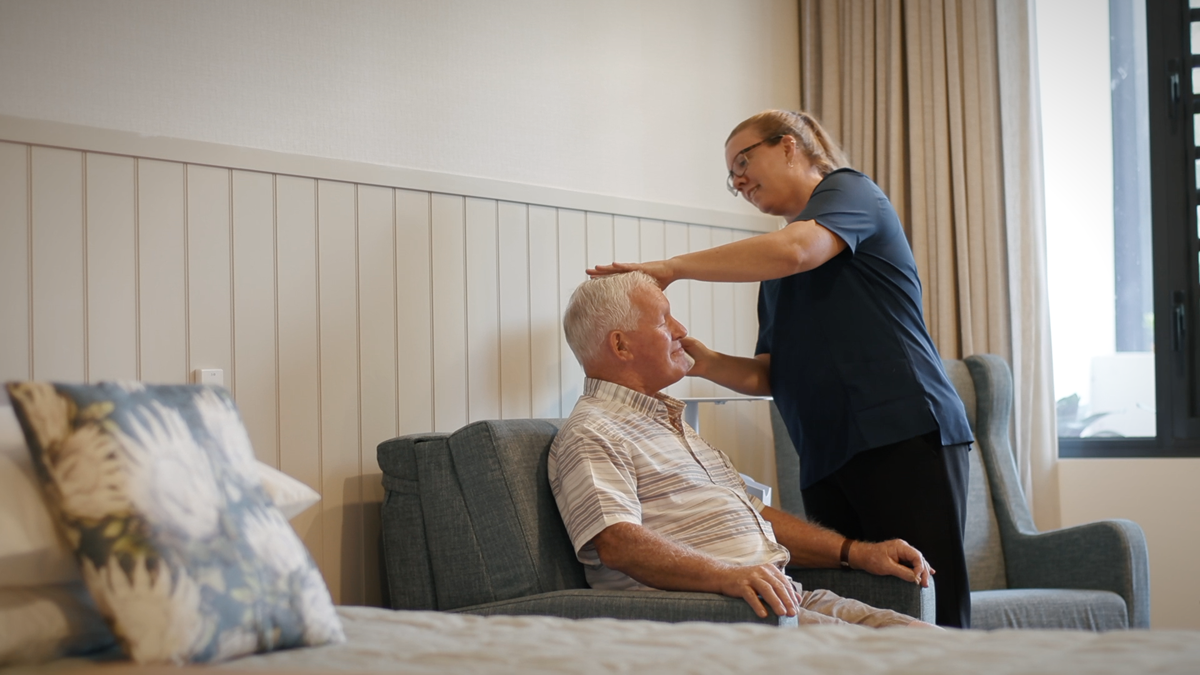
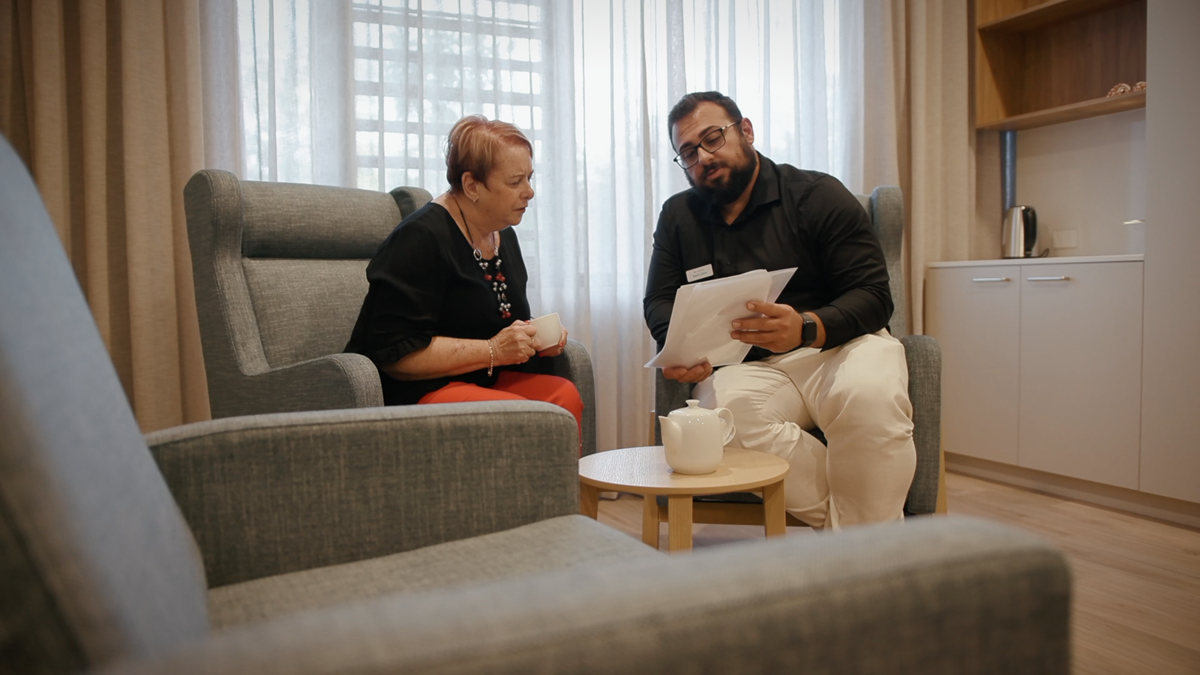 Recently opened at The Verge at Burleigh GC, the Care Hub is an innovative new approach RetireAustralia is taking to providing high levels of quality care in their new retirement communities. It’s not traditional aged care and nothing like a hospital. But what exactly is a Care Hub and how does it provide a positive alternative for aged care?
What is a Care Hub?
The Care Hub is a true alternative to traditional aged care, offering compassionate and person-centred care in a homelike environment. Located in The Verge at Burleigh GC retirement community, the Care Hub is a boutique-style care option featuring just 10 private care suites with private bathroom and kitchenette. The Care Hub seeks to provide care to residents in their own community, surrounded by family and friends. Unlike traditional aged care there’s no Aged Care Assessment Team (ACAT) or Assets test required, so subject to suitability and availability, you can move in right away.
The comfort of home
The Care Hub has been built to Aged Care standards, but it’s also been carefully designed to look and feel just like home, rather than a clinical environment like a hospital or traditional aged care facility. There is a spacious lounge and sunroom complete with contemporary furnishings, and a kitchen and dining area that you could easily find in a modern home. Stepping into the Care Hub there is an immediate sense of peace and comfort.
Every resident of the Care Hub has their own fully furnished, private suite that’s complete with an ensuite and kitchenette. The resident also has the choice to add their own personal touches to the suite as well, ensuring that special sense of home.
Friends and family are welcome to be part of a resident’s life in the Care Hub, whether it’s enjoying time on the terrace overlooking the golf course, relaxing in the lounge or even joining in for one of delicious meals prepared by the onsite chef.
Care you can trust
While it’s important to be in a comforting and homelike environment, the crux of the Care Hub is the quality care that residents receive. The Care Hub is staffed 24 hours a day, 7 days a week. A Registered Nurse manages the Care Hub and oversees qualified carers in the delivery of care. This means that a resident who requires high levels of care can be reassured that they will be well looked after in the Care Hub.
Each resident is viewed as an individual with unique needs and care plans are carefully designed for each resident. This means that residents aren’t required to live to a timetable determined by the facility, but can decide when they wake up and go to bed, when and what they’d like to eat, when they shower and receive their care.
Why come to the Care Hub?
At RetireAustralia, our Care team’s first preference is always to care for someone in their home in the village. If that is no longer possible, the Care Hub provides the perfect safety net.
As Nick Palmer, Queensland Regional Care Manager at RetireAustralia, says: “We will look after people in their home for as long as we can and living independently for as long as possible. But we have the reassurance that if it’s not possible to look after them, the Care Hub presents us an opportunity to take it to the next level.”
Reasons residents choose to move into the Care Hub include:
- Short-term respite care, such as after surgery or to recover from a serious illness.
- Complex support needs, such as chronic and complex heath conditions.
- Impaired mobility that impacts independence.
- Palliative care and end-of-life care.
What does the Care Hub cost?
As with aged care, the cost to a resident is dependent on their independent financial situation. All fees and costs are clearly outlined to each resident before moving into the Care Hub. Essentially there will be a:
- care and services fee, that can be partially offset by a government-funded Home Care Package,
- accommodation fee, which will be dependent on whether you are staying short or long term.
Unlike many aged care facilities, there are no hidden or unexpected costs. The only costs you will pay are for your accommodation and accommodation related services, the care and services that you receive in the Care Hub, and any visiting health providers, consumables or special equipment that you use. If there are nice-to-have services, such as transport to the shops, you can always request them for an additional fee.
Our Care team also works diligently to maximise the amount of government funding that residents can reasonably receive to support their care needs.
Stay in a community that you know and love
Many of the Care Hub residents will have been residents in the independent living units at The Verge. When and if a resident requires high levels of care, it’s excellent that they can remain in the community that they know and love, surrounded by friends and possibly their partner.Knowing that the Care Hub is available to them brings security to residents of The Verge when it comes to their ageing care journey.
Want to discover whether life in a retirement village is right for you? Get your free guide to retirement village living.
Not receiving our Vitality monthly newsletter yet? Share your details below and we’ll send you monthly updates, helpful tips, and inspiring stories to support you on your retirement journey.
You might also be interested in:
Lauren's wellness goal at Glengara Care
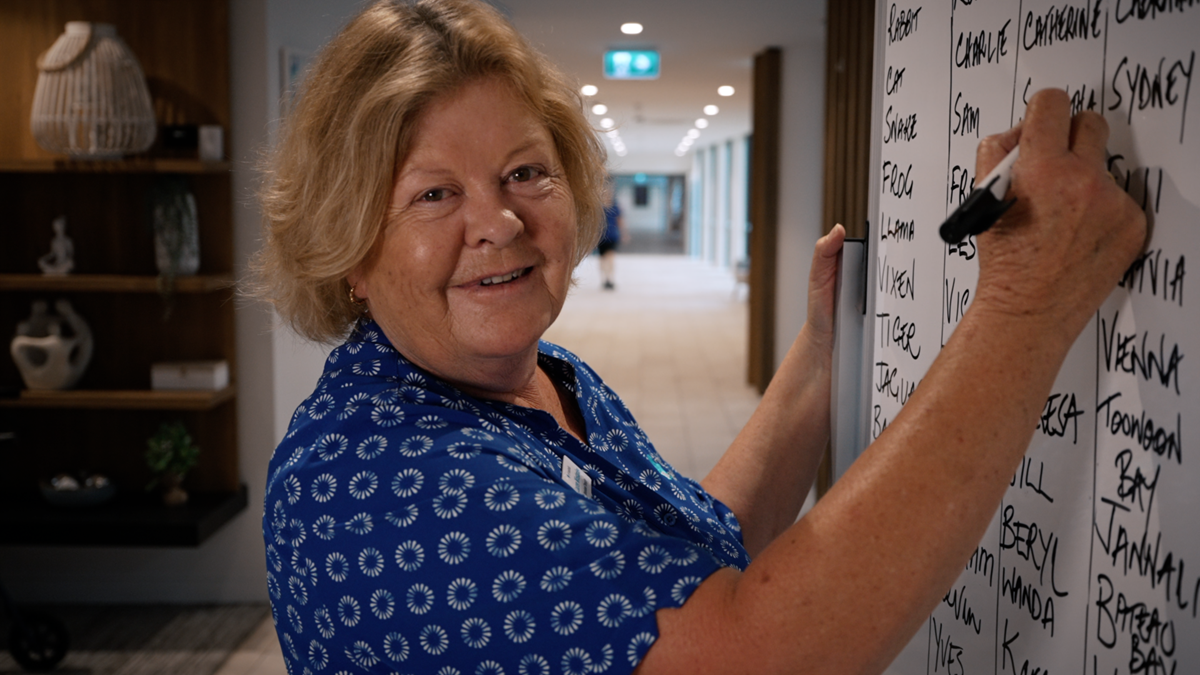
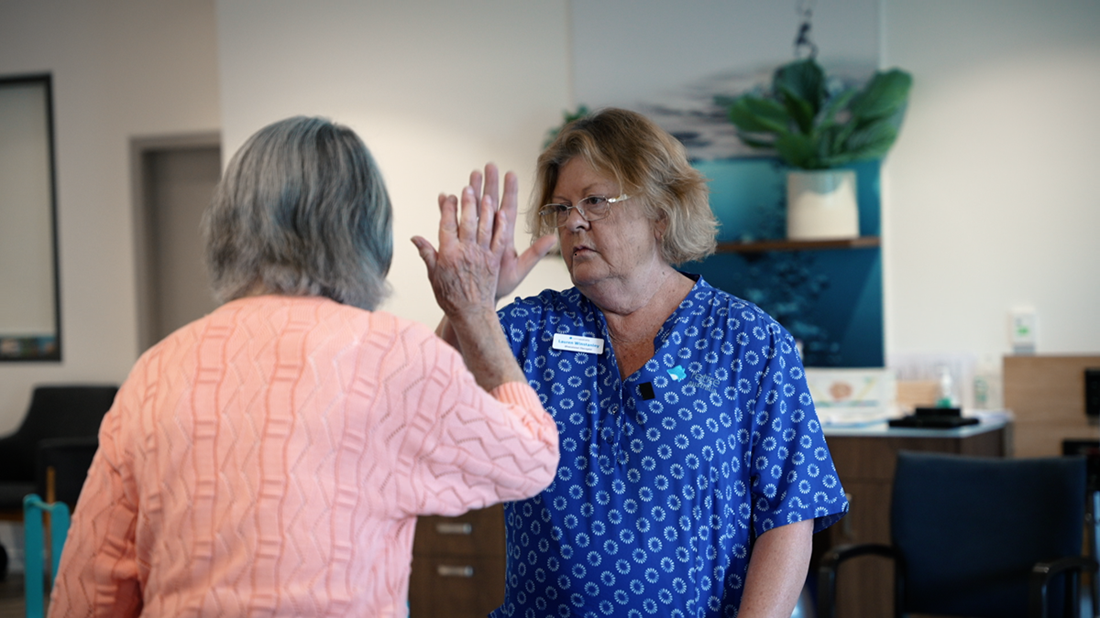
“My job is to keep people happy,” says Lauren Winstanley, Diversional Therapist at Glengara Care, which is part of Glengara Retirement Village on the Central Coast. With a sea of smiles across residents’ faces, it’s clear that Lauren is doing her job very well!
Lauren has worked at Glengara Care since 2020 and in that time has formed a close bond with each and every resident, who are all like family to her. Her role is to ensure residents have access to activities that improve their wellbeing, whether that’s mental wellbeing, physical wellbeing or simply keeping residents socially connected. Walking through Glengara Care you’ll see residents enjoying a range of activities from drumming and mini golf to whiteboard quizzes and bingo.
“I provide mainly lifestyle activities to keep people connected socially. For those that aren’t really interested in social connection, I try and find them something to do to keep them mentally stimulated on their own,” says Lauren.
Set in Glengara Retirement Village, Glengara Care features care apartments that are supported 24 hours a day by a nurse-led team, but still have all the comforts of home. The residents have the freedom to live life on their terms and not to a timetable. Unlike aged care facilities, couples can live together even if only one of them needs care and support.
Igniting residents’ passions
Lauren does a lot more than simply organise activities, she spends time getting to know the residents one on one, so that she can discover what their needs and wants are. She ensures that residents fill their day with things that inspire them and ignites their passions. Whether that’s helping a resident rediscover their love of art, share their inspiring stories with others or get them back into physical activity.
“I love seeing residents achieve things that they didn’t think that they could achieve before,” Lauren explains. “For instance, I worked with a lady who I took swimming last year. She has Parkinson’s Disease and her mobility improved out of sight when we started swimming once a week. I love helping residents to achieve things they don’t think they can do or even reintroducing old skills that they may not have done for a long time.”
Residents love what Lauren offers and really appreciate the effort she puts in to improving their quality of life. One such resident is Elly, who says that Lauren is key to making her life full and enjoyable at Glengara Care.
“When I came here and met Lauren, I was amazed,” says Elly. “I’m just in awe of Lauren and how well she does at keeping us all involved.”
An inspired change
Before starting her career in aged care, Lauren had worked as a graphic designer in the newspaper industry for around 35 years. When she was offered redundancy in 2013, it was a chance for Lauren to start a new journey in her working life.
“The reason I got into this type of work was because I was inspired when my grandmother went into an aged care facility on the Central Coast,” Lauren says. “I loved watching the lifestyle staff there, the way they interacted with the residents. So that’s where the idea for a career change came from.”
Since then, Lauren has built her career helping older people, and coming to Glengara Care in 2020 she loves the challenges and funny moments it provides her.
“It’s the most rewarding job, I’ve ever had,” she says.
Something for everyone
Lauren’s main consideration is ensuring residents are involved and active as they can be, which is not always easy when you have a diverse range of people to cater for. Despite this, Lauren takes a great deal of care and effort to engage all the residents and keep them doing things they enjoy.
“Everyone’s different and I’m always trying to accommodate different behaviours, likes and dislikes. That is the biggest challenge,” says Lauren.
Lauren must be doing something right as smiles and laughter follow her wherever she goes at Glengara Care.
“I was doing a whiteboard quiz down in the lounge room one day, and the residents had to give me 3 examples of things that you shouldn’t touch. One lady said a hot plate. Another one said an electric fence, and the third one said: ‘other women’s husbands’. Everybody that could hear her laughed,” says Lauren. “Some of the things that residents come out with just crack me up.”
Wellbeing starts at home
Away from Glengara Care, Lauren has a full life of her own, as she knows how important it is to fill her own wellbeing cup so that she can fill that of the residents. Her pasttimes include doing crafts, walking her dog and watching her beloved West Tigers NRL team.
“I’m creative and I like to do craft. I walk my Jack Russell terrier, weather permitting. He’s not happy this morning cause it’s raining here, so we didn’t get a walk. I like to swim. I live near the beach, so I love swimming,” says Lauren. “I’m an avid NRL fan. So, I do go down to Leichhardt Oval and watch the West Tigers when they play at home.”
See what Lauren and the dedicated team at Glengara Care do each day for residents.
Not receiving our Vitality monthly newsletter yet? Share your details below and we’ll send you monthly updates, helpful tips, and inspiring stories to support you on your retirement journey.


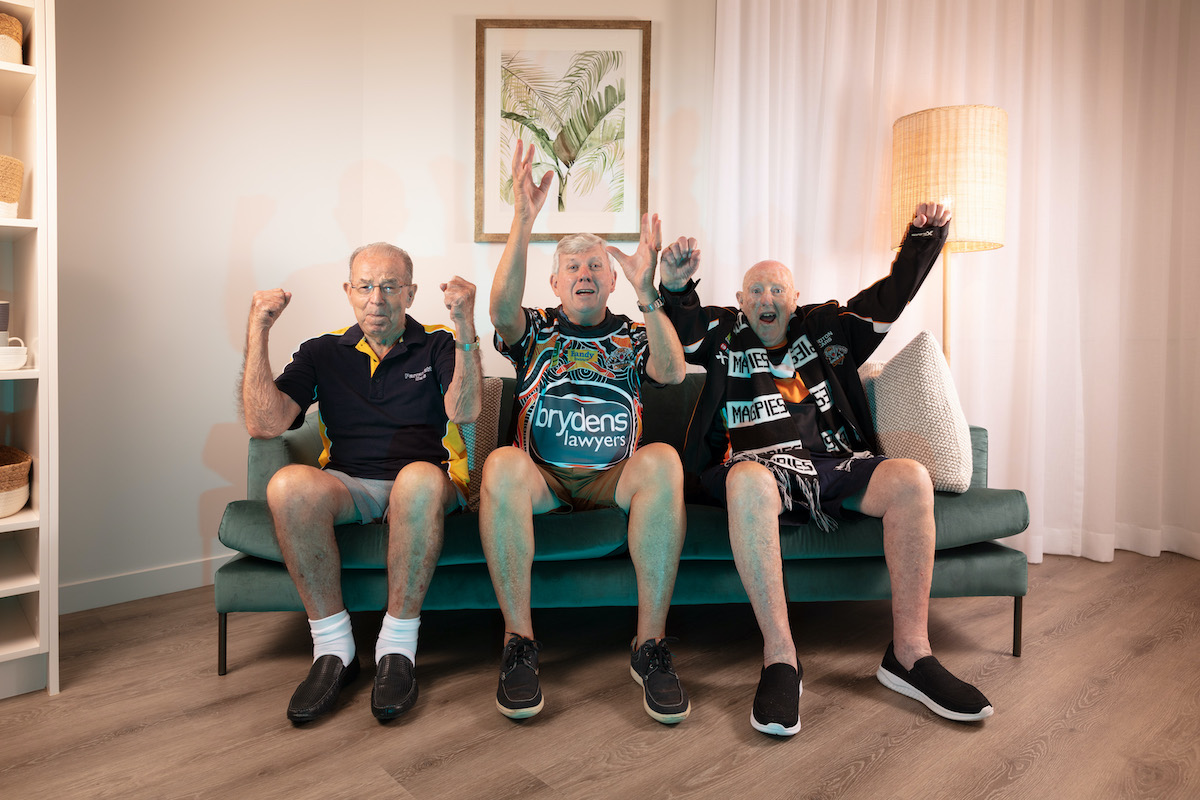
Downsizing: is it worth it?

Often, the biggest concern with moving into a retirement village is downsizing – what does it entail, is it worth it, and do residents miss their old house or neighbourhood? Everyone’s experience is unique, but the comment we hear most often from residents is, ‘I wish I’d made the move sooner’. Here, we break down what’s involved in downsizing, the pros and cons, and how you can tackle the process.
1. Make a plan
First things first, make a plan. Look at the floor plan and dimensions of your new home and decide how much of your furniture will fit the space. If it feels hard to let things go, consider putting furniture or larger pieces in storage while your house is on the market. You might be surprised by how little you miss them during this process.
2. Clear the clutter
It’s amazing how much we accumulate over the years, and the prospect of sorting through a lifetime of possessions and memories might seem overwhelming. That’s why we’ve put together a list of handy tips to make the de-cluttering process easier:
- Start early. By making decisions well in advance of your actual move date, you’ll have time to sort out what’s most important to you and what you can let go.
- Set yourself up for success. Start with items you’re not emotionally attached to, like outdated paperwork, kitchen utensils, stationery supplies, clothes and linen. Once you’ve done this, you can work your way up to photos, books, and sentimental memorabilia.
- Prioritise. Write a list of non-negotiables – items you absolutely can’t live without – and try to assess the rest of your possessions with a critical eye.
- Keep your focus narrow. Don’t tackle the whole house at once, but deal with one room, cupboard or zone at a time.
- Break it into bite-sized chunks. It’s far more effective to consistently set aside 15 minutes a day than attempt to sort through years of memories in one weekend.
- Be honest. Ask yourself “do I need it, use it or love it?” Be honest with yourself and remember objects don’t have feelings.
- Take photos. Consider taking photographs or videos of things that can’t go to your new home. It will preserve the memory without taking up any space.
- Swap old for new. It’s still OK to buy new items but try adopting ‘the one in / one out’ rule. For example, if you buy a new set of wine glasses, donate the existing ones.
- Remember why you’re doing this. Research shows that clutter can affect mental wellbeing and add to feelings of stress. On the flipside, clearing out things you no longer want or need can be intensely liberating.
3. Find a new home for what you don’t need
Once you’ve de-cluttered, you might be wondering what to do with all the belongings you’re not taking with you to your new apartment or villa. You could consider selling big-ticket items like a lawnmower, and giving other pieces to family or charity. Knowing that a much-loved item will have a new lease of life in someone else’s home might help you let it go – and emotionally prepare for the move.
4. Enlist help
This is likely to be one of the most important moves you make, and it’s far easier to tackle if you can share the load among many. Ask professionals, family or neighbours to lend a hand – either with de-cluttering, packing, moving or cleaning.
5. Look to the future
If the magnitude of the project feels overwhelming, focus on what you’re gaining, rather than what you’re leaving behind. If you’re unsure if this is the right decision, weigh up the pros and cons:
- The process of de-cluttering can take an emotional toll, but it will also simplify your life. What’s more, it can make the process of moving house much more manageable. Less clutter means less packing, physical effort and expense.
- Sorting through all your possessions is time-consuming, but could benefit you financially. Your real estate agent is more likely to get a great price for your house if it’s streamlined and clutter-free. If you’d like to know more about the process of selling a house, we’ve got you covered.
- It might be hard to emotionally let go of your house and possessions, but think about what life in a retirement village will be like – no more gardening to worry about, or the need to maintain a property you’ve outgrown. There will also be a welcoming community, ample opportunities for social connection, and a raft of activities on offer.
If you have questions about downsizing, speak to our sales consultant at The Green Tarragindi. After all, they’ve seen many people go through the exact same process, and will be able to give you advice and point you in the right direction. They might even be able to connect you with residents who’ve recently made the move.
Finding the perfect retirement village: why location matters

When thinking about retirement living it’s easy to focus on the quality of the accommodation and village offerings. While amenities, facilities and services within the village are undoubtedly important, the surrounding area can greatly impact the overall quality of life during your time there. We delve into why location plays a pivotal role in selecting the ideal retirement village for you.
Access to healthcare
As we age, our health needs tend to increase, making proximity to healthcare facilities a crucial factor. A retirement village located near hospitals, doctors’ surgeries, pharmacies and allied health can provide peace of mind, ensuring prompt medical attention when required. Home Care is available in all RetireAustralia villages, either by RetireAustralia or a partner organisation, providing services into your own home, if or when you need it.
Social and recreational opportunities
Retirement should be a time of enjoyment and doing those things you’ve always wished you had the time to do. Opting for a village situated in an area with ample recreational activities and social events can enhance your life. Access to parks, cinemas, restaurants and community centres fosters a vibrant lifestyle and encourages social connection.
Climate and environment
We all have our ideal perfect climate – whether it’s sunny beaches, scenic mountains or tranquil countryside. Choosing a retirement village in a climate or environment that you enjoy can impact your comfort and happiness during your senior years. Being able to take a morning stroll along the beach, picnic next to the river or take walk through nearby bush can make your days so much better. With villages across rural and urban areas of New South Wales, Queensland and South Australia, RetireAustralia has a village to suit everyone.
Transportation and accessibility
As mobility may become more challenging with age, easy access to transportation becomes crucial. Retirement villages located in walkable area, near public transport or offering a shuttle bus can promote independence and enable residents to access services, run errands and visit loved ones without relying on a car.
Family and friends
For many retirees, maintaining close ties with family and friends is a top priority. Choosing a retirement village located near loved ones allows for frequent visits, fostering a support network and preventing feelings of isolation. Children and grandchildren are always welcome visitors to RetireAustralia’s villages.
Hobbies and passions
Retirement offers the perfect opportunity to pursue lifelong passions and interests. Selecting a location rich in cultural attractions, learning or volunteer opportunities enables you to continue expanding your horizons and stay intellectually engaged. Many of the residents in RetireAustralia’s communities live rich lives outside of the village.
Choosing the right location of a retirement village can make all the difference in how you enjoy your retirement. By thinking about the things that matter to you and how the location will impact those priorities will help pave the way for a life filled with comfort, fulfillment, and joy.
Find a community you can call home
Not receiving our Vitality monthly newsletter yet? Share your details below and we’ll send you monthly updates, helpful tips, and inspiring stories to support you on your retirement journey.
You might also be interested in:
What is a deferred management fee?

As people age, many consider downsizing their homes and starting a new chapter of their lives. Retirement villages offer a variety of benefits, including a sense of community, security, social activities, and access to care and support when needed. Not to mention a range of amenities and facilities. However, one aspect of retirement village living that are often misunderstood are the associated costs, particularly the deferred management fee (DMF).
What is a deferred management fee?
Common to nearly all retirement villages – as set out in legislation – is a management fee. The traditional model of the retirement living industry is to defer the management fee until exit – often referred to as a Deferred Management Fee (DMF) or an exit fee.
The DMF model allows greater flexibility with entry prices, which can enable prospective residents to pay less upfront and free up funds from the sale of their biggest asset – the family home – to help fund their retirement and care needs.
The DMF is the only fee that allows operators to reinvest back into villages through capital replacement works, ongoing maintenance of communal facilities, and village upgrades. It also covers the refurbishment, sales and marketing costs of homes and the remainder is profit. This helps to ensure that all residents have access to quality facilities and amenities while they’re living in the village.
At RetireAustralia, our independent living residence contract, which is offered in our leasehold and licence villages, allows you to calculate exactly how much you’ll get back based on your entry payment. The deferred management fee will not exceed 35% of your entry price and is accrued during your first three years in the retirement village. There are no further increases after this period, no matter how long you stay. See our an example of how it works below.

In our strata village contracts, the deferred management fee will not exceed 37.5% of the resale value in strata title villages in New South Wales and 35% of the resale value in Queensland. This is charged and deducted from the gross sale proceeds. This way, it’s easy to calculate exactly how much money you’ll receive after you leave.
What is the benefit of having a DMF?
The DMF is a value exchange. The value offered by RetireAustralia retirement villages is the ability to live in a community of people from a similar age group, with a shared history, who want to expand their lives; meet people and join in activities and events. Residents enjoy the facilities and low maintenance living and have peace of mind knowing that there is a safety net of care and support should they ever need it.
The DMF is also the only fee that allows RetireAustralia to reinvest back into the village, through capital replacement works, maintenance of communal facilities, and village upgrades. This not only benefits you during your time in the village but also helps maintain the value of your home, which is important when it comes time to sell.
Charging the management fee on exit keeps also entry prices as competitive as possible, leaving you with more funds to use during your retirement.
Is it right for me?
Everyone’s situation is different and so the best way to know whether buying into a retirement village is right for your financial situation is to speak with a sales consultant. They will be able to talk through your individual circumstances and needs, and help you understand the fees, as well as the benefits and amenities of your chosen village.
As with any major life decision, it’s very important to do your own research about whether it’s right for you and seek legal and independent financial advice.

Your free guide to retirement village living

Not receiving our Vitality monthly newsletter yet? Share your details below and we’ll send you monthly updates, helpful tips, and inspiring stories to support you on your retirement journey.
Related posts
Care at The Verge
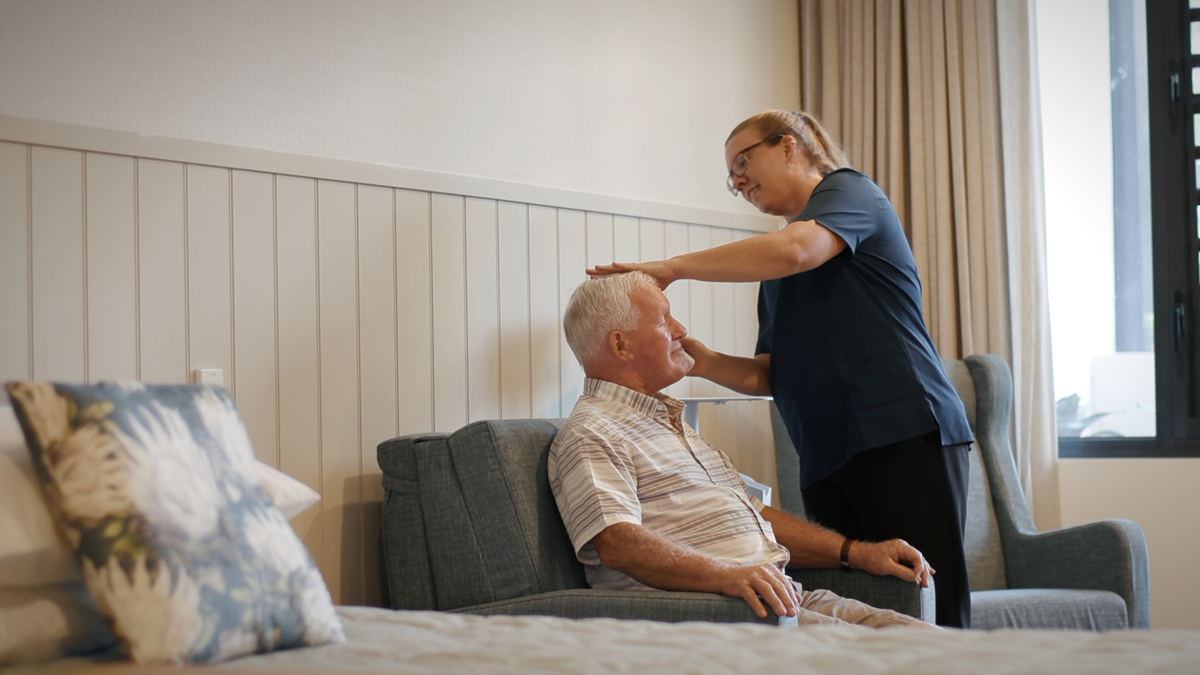
Discover the many care options at The Verge
Not receiving our Vitality monthly newsletter yet? Share your details below and we’ll send you monthly updates, helpful tips, and inspiring stories to support you on your retirement journey.