
HomeStories & InsightsThank you the Green Clone Test

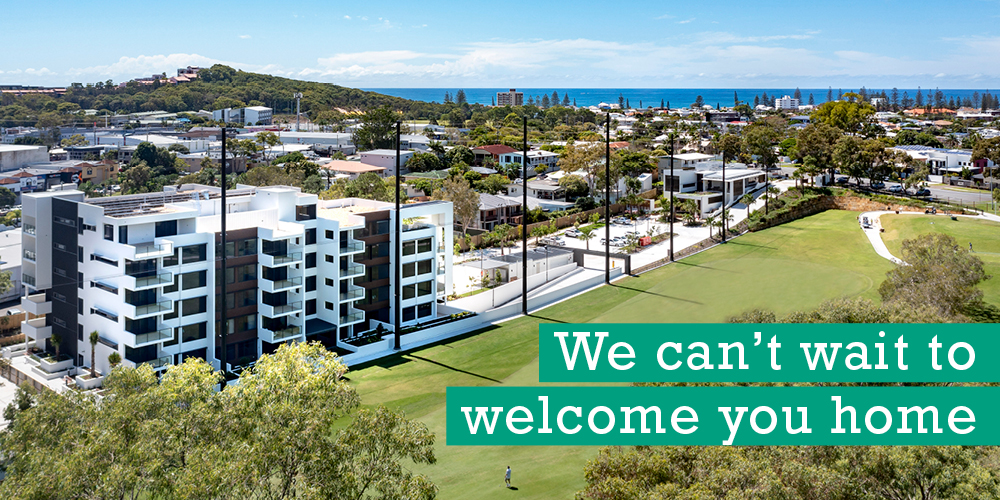
We can’t wait to welcome you home


As the days inch closer to your move-in date, it can be a time filled with nervous anticipation. While you are ready to start enjoying your new home, there are some measures you need to take to prepare for your new life at The Rise. These include the legal requirements, all the way through to ensuring you have a hot cuppa and a comfortable bed on your first night. After welcoming many residents to our retirement villages, here is an overview of what you need to know.

The settlement process

Leading up to settlement, your sales consultant will provide you with regular updates regarding the construction process and formal notice before your apartment is due to be completed, so you have time to visit your new home to ensure you are happy to proceed and make arrangements to move.

If you have a home to sell, you should liaise with your solicitor in regards to the sale of your home. Your solicitor will maintain contact with RetireAustralia’s solicitors and keep them informed as to the status of the sale of your home and the agreed settlement dates.

Once you are ready to confirm a settlement date, please notify your sales consultant, your solicitor or, if you don’t have a solicitor, RetireAustralia’s solicitors.

Our solicitors will then produce a settlement statement confirming what funds are required for settlement. This statement will be issued to your solicitor or direct to you. The settlement statement will have electronic fund transfer (EFT) details, so you know where to send the funds on settlement day.

On or before the day of settlement, you will arrange to have the funds sent to your solicitor or to RetireAustralia’s solicitors direct.

Once our solicitors receive the funds, they will notify RetireAustralia. In turn, your sales consultant will contact you to make arrangements for you to collect the keys to your new home.

Our solicitors will finalise the contract/agreement and arrange to have the title or lease formally registered at the titles office. Once the registered documents are received, RetireAustralia’s solicitors will arrange to send copies to you/your solicitor.

Prior to settlement (or sometimes at settlement) you will have the opportunity to walk through your apartment and complete a condition report to take a record of the apartment’s condition when you move in.

Get ready to connect

Once you know your settlement date you can start organising removalists and begin packing.

You will also need to organise the disconnection and reconnection of utilities and services. Some of these may seem obvious, but it can be easy to overlook when you’re busy moving and they may prove essential.

  • Services and utilities you will need to contact may include:
  • Electricity, gas and water
  • Insurance (home and contents, car)
  • Internet and phone
  • Redirect mail and newspaper/magazine subscriptions

You will also need to let key institutions and agencies know about your new address including:

  • Car registrations/Drivers licence
  • Electoral Office
  • Bank
  • Centrelink/Medicare

Moving day

The day has finally arrived and, as you know, it will be a big one. When you arrive at your new apartment, you should make sure all services, such as electricity, internet, phone etc. have been connected in your new home.

We always suggest that the first thing new residents bring in and have set up is their bed. Have pillows, sheets and blankets somewhere handy, so that if all else fails you have somewhere to sleep that first night.

We also recommend packing a box that’s clearly marked “essentials”, that contains a kettle, tea or coffee, toilet paper, toiletries, a towel and some snacks/breakfast items. This means that you can always have a hot cuppa and have some essentials on hand if you need a break or decide to call it a day.
In the village

In your first few days at The Rise, your Village Manager will provide you with essential information, such as emergency procedures, important phone numbers and other information about life in your new community.

As you settle in, they will also let you know about the resident groups/committees that you can join if you so wish. As well as the activities that are available. You can then discover the village at your own pace.

“The first few days we didn’t really leave the apartment, because we were busy unpacking. We’d just bump into people in the garage or the foyer, but everyone was very friendly and welcoming,” says Judy, a RetireAustralia resident. “We then made a point of going to happy hour, so that we could get to know people.”  

 

Is retirement living good for you?


It might seem hard to believe, but where you live can impact your health just as much as how you live – and having community connection makes a tangible difference to your quality of life.
We’ve put together six ways retirement living is good for you.

1. Social connectedness

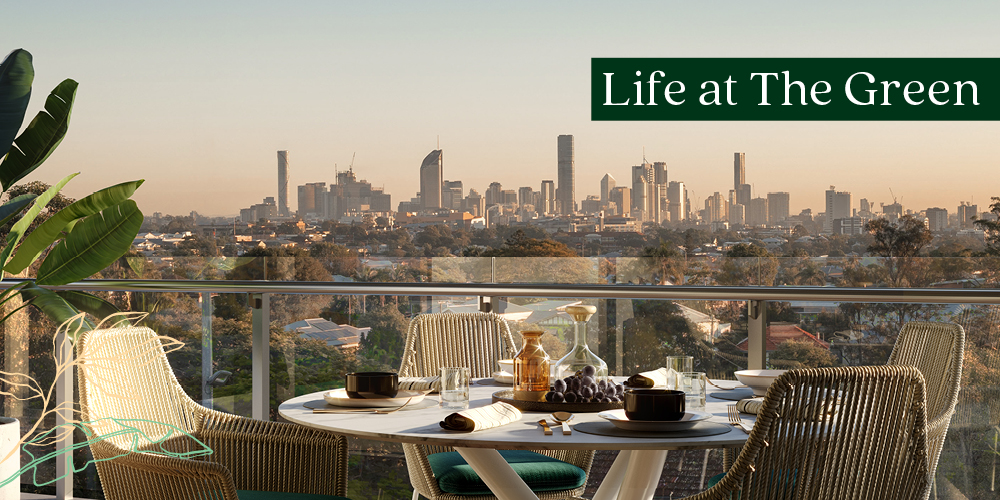
The Green at Tarragindi offers genuine community, social connectedness, and a sense of belonging. This is important because humans are social creatures, even those who prefer their own company need a sense of connection to thrive.

You’ll have ample social activities to choose from, from happy hours to lawn bowls, movie nights to craft groups. There’s something for everyone but it’s entirely up to you how much, or how little, you take part in.

Either way, you’ll be part of a diverse and supportive community. And, as the Australian Unity Wellbeing Index reports, this has a positive impact on our wellbeing [1].

“Communities offer us collective support, a sense of belonging, and play a key role in combating loneliness as we age. [2]

2. Better physical health

Throughout our RetireAustralia villages, our teams have reported countless instances of residents’ health improving after moving into a retirement community. And now there’s research to back up this anecdotal evidence. In a survey of Australian retirement village residents, 27% reported their physical health improved after moving in [3].

This could be for countless reasons, including more social interaction, feeling safe and secure, and better nutrition*.

Research shows that loneliness can have an adverse effect on physical health, and is linked with impaired immune functioning, unhealthy behaviours, and physical inactivity [4].

On the flipside, retirement living is good for you because villages have been specifically designed to improve health and wellbeing. In other words, our communities are purpose-built to counter social isolation and foster a sense of belonging and connectedness. Our vibrant activity calendars also offer whatever it is that sparks your interest and keeps your body and mind active.

3. Improved mental wellbeing

This brings us to improved mental wellbeing. In many ways, it’s hard to separate physical and mental health because they’re so inter-linked.
It’s also important to be aware that older people are more susceptible to common triggers for anxiety and depression  [5]. Beyond Blue reports that these triggers include physical illness, chronic pain, and personal loss.

The good news is that having strong community connections can not only provide people happiness, support and a sense of purpose, but it can help stave off anxiety and depression.

“Research shows that being connected to others is important for mental wellbeing and can be a protective factor against anxiety and depression.” Beyond Blue: Connections Matter  [5].

4. Safety and security

Many residents tell us that safety and security is at the top of their list, and one of the key motivators behind moving into a retirement village.

Residents feel safer in a retirement village for lots of different reasons, but we most often hear that people feel more secure because they:

  • Are in a community of like-minded neighbours where everyone looks out for each other.
  • Have a 24-hour emergency call system, this offers peace of mind in the event of a fall or a health incident.
  • Feel supported in the midst of challenging external events, such as natural disasters and COVID-19
  • Can visit family and friends knowing their mail will be collected, lawns mowed, and home secure in their absence.

Retirement village living also gives extra assurance to family members who may not live close by.

5. Future care needs

We’ve already touched on physical health, but it’s important to think about your future care needs, even if you’re currently fit and active. One of the main benefits of retirement living is having a safety net if your health changes down the track. You can rest easy, knowing we have you covered if you fall ill, get injured, or need extra care and support:

  • Support at Home: Support at Home services provide residents with the same trust, familiarity, and feeling of ‘home’ that they already have about their village. Our reliable and experienced team can help with household chores, meal preparation, showering, dressing and medication support, to name a few.

6. Ditch the lawnmower

This brings us to our final point – a low-maintenance lifestyle. This is especially important if you have a large family home that’s become a burden to maintain.

At The Green, you don’t have to worry about maintenance or gardening. If you have a leaking tap or your light bulb blows let our village team know and we will take care of it**. This means you can kick back in the community centre overlooking lush green gardens – without having to fire up the lawnmower. Having gardening and maintenance taken care of allows you the time and space to spend more time on what you love, whether that’s playing with your grandkids, golfing or reading.


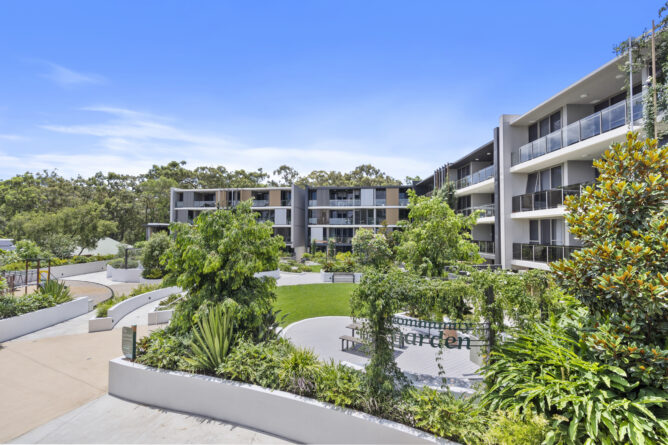
The Green Tarragindi - Podium to Clubhouse


* Better nutrition applies to care and serviced apartment residents, who receive delicious and nutritious meals every day.
** Examples only. Before moving into a RetireAustralia village we provide clarity on what maintenance the village service charges cover, giving you peace of mind and financial certainty for the future.
1] Australian Unity. “How community affects wellbeing.” (2020), online: https://www.australianunity.com.au/wellbeing/What-is-real-wellbeing/How-community-affects-wellbeing
[2] As above
[3] Retirement Living Council. “The book of wise moves.” (2020), online: https://www.awisemove.com.au/village-life/
[4] Van Orden et al. “Strategies to promote social connections among older adults during ‘social distancing’ restrictions.” (2020), online: https://www.ncbi.nlm.nih.gov/pmc/articles/PMC7233208/
[5] Beyond Blue. “Risk factors for older people” (2022), online: https://www.beyondblue.org.au/who-does-it-affect/older-people/risk-factors-for-older-people

We can’t wait to welcome you home


As the days inch closer to your move-in date, it can be a time filled with nervous anticipation. While you are ready to start enjoying your new home, there are some measures you need to take to prepare for your new life at The Green. These include the legal requirements, all the way through to ensuring you have a hot cuppa and a comfortable bed on your first night. After welcoming many residents to our retirement villages, here is an overview of what you need to know.

The settlement process

Leading up to settlement, your sales consultant will provide you with regular updates regarding the construction process and formal notice before your apartment is due to be completed, so you have time to visit your new home to ensure you are happy to proceed and make arrangements to move.

If you have a home to sell, you should liaise with your solicitor in regards to the sale of your home. Your solicitor will maintain contact with RetireAustralia’s solicitors and keep them informed as to the status of the sale of your home and the agreed settlement dates.

Once you are ready to confirm a settlement date, please notify your sales consultant, your solicitor or, if you don’t have a solicitor, RetireAustralia’s solicitors.

Our solicitors will then produce a settlement statement confirming what funds are required for settlement. This statement will be issued to your solicitor or direct to you. The settlement statement will have electronic fund transfer (EFT) details, so you know where to send the funds on settlement day.

On or before the day of settlement, you will arrange to have the funds sent to your solicitor or to RetireAustralia’s solicitors direct.

Once our solicitors receive the funds, they will notify RetireAustralia. In turn, your sales consultant will contact you to make arrangements for you to collect the keys to your new home.

Our solicitors will finalise the contract/agreement and arrange to have the title or lease formally registered at the titles office. Once the registered documents are received, RetireAustralia’s solicitors will arrange to send copies to you/your solicitor.

Prior to settlement (or sometimes at settlement) you will have the opportunity to walk through your apartment and complete a condition report to take a record of the apartment’s condition when you move in.

Get ready to connect

Once you know your settlement date you can start organising removalists and begin packing.

You will also need to organise the disconnection and reconnection of utilities and services. Some of these may seem obvious, but it can be easy to overlook when you’re busy moving and they may prove essential.

  • Services and utilities you will need to contact may include:
  • Electricity, gas and water
  • Insurance (home and contents, car)
  • Internet and phone
  • Redirect mail and newspaper/magazine subscriptions

You will also need to let key institutions and agencies know about your new address including:

  • Car registrations/Drivers licence
  • Electoral Office
  • Bank
  • Centrelink/Medicare

Moving day

The day has finally arrived and, as you know, it will be a big one. When you arrive at your new apartment, you should make sure all services, such as electricity, internet, phone etc. have been connected in your new home.

We always suggest that the first thing new residents bring in and have set up is their bed. Have pillows, sheets and blankets somewhere handy, so that if all else fails you have somewhere to sleep that first night.

We also recommend packing a box that’s clearly marked “essentials”, that contains a kettle, tea or coffee, toilet paper, toiletries, a towel and some snacks/breakfast items. This means that you can always have a hot cuppa and have some essentials on hand if you need a break or decide to call it a day.

Interior Lounge

In the village

In your first few days at The Green, your Village Manager will provide you with essential information, such as emergency procedures, important phone numbers and other information about life in your new community.

As you settle in, they will also let you know about the resident groups/committees that you can join if you so wish. As well as the activities that are available. You can then discover the village at your own pace.

“The first few days we didn’t really leave the apartment, because we were busy unpacking. We’d just bump into people in the garage or the foyer, but everyone was very friendly and welcoming,” says Judy, a RetireAustralia resident. “We then made a point of going to happy hour, so that we could get to know people.”  
Simple steps to selling your home


The decision to sell your house isn’t always straightforward. If you’re unsure of what the sales process involves and you’re looking for advice, we have some tips and suggestions that we’ve gathered over the years from our residents to help you get the best outcome.

If you’ve lived in your house for years or even decades, it can sometimes be hard to move on. The process of selling your home can also feel daunting. While change can be uncomfortable, it is also an exciting step forward to your new home at The Verge, where you will discover a great community and embark on a wonderful stage in life. Before you dive into retirement living, you will need to prepare your home for sale. To get the best result, it can help to have an idea of what to expect from the sales process.

Do your homework

Most people use a real estate agent to sell their home to make the process easier and get the best price possible. Before you choose an agent, start by researching local real estate agencies. If you have friends or family close by, it’s great to ask for personal recommendations. After all, this will be the biggest sale you’re likely to make, and having trust and respect for the agent is crucial.

To get a gauge for what similar properties are worth, check out listings and recent sales prices in your area. It can be a good idea to visit local open homes and see how the agent treats prospective buyers and answers questions. Some things you could ask include: whether the vendors are willing to negotiate the sale price, how long the property has been on the market and why they’re selling. Don’t mention that you’re selling and see who calls you back, as this can be a good indicator of a hard-working agent.

Then, create a shortlist of at least three agents you would like to meet face-to-face and don’t be afraid to ask questions when you meet them. Here are some for consideration:

  • Would they recommend a private sale or auction? Why?
  • How much are their agents’ fees, and how do they calculate this figure? Is it a fixed fee or a percentage of the sale price? This is also known as commission and is generally between 1.5% and 3.5% of the agreed price. Most agents’ fees don’t include advertising, so be clear on how much the recommended campaign would cost.
  • How would they go about marketing your home? This could involve web listings, sign boards outside your house, photography, floor plans and copywriting, as well as social media and email campaigns.
  • What work (if any) would they recommend you do to make your home more attractive to buyers?
  • How would they value your home? Can they provide you with a property profile that includes information about sales of comparable properties in your area? Would they recommend specifying an asking price (if not going to auction), or a broader price guide?

Choose an agent

Residents tell us that doing your research and meeting with several agents will give you a good idea of what your property is worth. You’ll also have a good sense of which agent is best suited to you. Keep in mind that some agents could be tempted to overvalue your property to increase the likelihood of getting your business. So base your decision on many factors – not just who has the lowest commission or says they could obtain the highest sale price.

When RetireAustralia resident, Gordon Crawford put his home on the market to move into Tarragal Glen Retirement Village, he found: “By researching and finding a good agent and with the housing market on a high, the sale process was very fast and we had a decent level of free cash to set up our new home”.

Prepare your home for sale

To maximise its potential value, look at your home with a critical eye and decide whether a small upfront investment could have a big impact. There are several ways you could make your home more attractive to prospective buyers:

  • Assess the frontage of your home, as some buyers will drive past before they commit to attending an open house. Would the garden benefit from some tidying or weeding, or can you add a splash of colour with new plants or pots?
  • Keep things as open, airy and uncluttered as possible. This might mean putting some furniture in storage during the sale process.
  • Neutral colours are best. Consider painting over any obvious marks, or even re-painting if the paint job is tired or the colours are dated.
  • Fix anything in need of obvious repair, and attend to small maintenance jobs, like missing light globes or loose door handles.
  • Have your carpets professionally cleaned.
  • Tidy up your cupboards. It’s easy to think ‘out of sight, out of mind’, but buyers are sure to open cupboards and drawers to get a good idea of storage space.
  • Clear the clutter. This will help your home look bigger and more spacious. Think big – taking away unnecessary furniture. As well as small – clearing any flat surface, having tidy kitchen bench tops and removing fridge magnets.
  • Help prospective buyers see themselves living in your house, by removing any bold furniture or artwork, as well as personal touches like photographs.

Inspection day

You already know that your house should be spotless on inspection day, with no laundry or washing up in sight. There are some other small things you can do that make a big difference, such as turn on all the lights and open the windows and doors, as this will show your house at its best. Keep your home as comfortable as possible, with fans or air conditioning on in summer, and a fire or heater in the cooler months. It helps to have a bright bunch of flowers in the kitchen to add a splash of colour. Finally, make sure you leave the house during inspections to help put prospective buyers at ease. This includes any pets who live with you!

Other costs

As well as covering your agents’ fees and marketing campaign, keep in mind that you’ll need some money set aside for conveyancing. This simply means the legal transfer of ownership from you to the buyer. If you have a mortgage on the house you’re selling, you may also need to pay your bank or lender an early exit fee. The cost of selling your home varies by state, but you can find a comprehensive breakdown of likely real estate agent commission, marketing and fees.

Need advice? 

For more advice about buying and selling a property in Queensland, go to:

Government advice: before you put your home on the market

Office of Fair Trading: advice on property ownership laws 


We can’t wait to welcome you home


As the days inch closer to your move-in date, it can be a time filled with nervous anticipation. While you are ready to start enjoying your new home, there are some measures you need to take to prepare for your new life at The Verge. These include the legal requirements, all the way through to ensuring you have a hot cuppa and a comfortable bed on your first night. After welcoming many residents to our retirement villages, here is an overview of what you need to know.

The settlement process

Leading up to settlement, your sales consultant will provide you with regular updates regarding the construction process and formal notice before your apartment is due to be completed, so you have time to visit your new home to ensure you are happy to proceed and make arrangements to move.

If you have a home to sell, you should liaise with your solicitor in regards to the sale of your home. Your solicitor will maintain contact with RetireAustralia’s solicitors and keep them informed as to the status of the sale of your home and the agreed settlement dates.

Once you are ready to confirm a settlement date, please notify your sales consultant, your solicitor or, if you don’t have a solicitor, RetireAustralia’s solicitors.

Our solicitors will then produce a settlement statement confirming what funds are required for settlement. This statement will be issued to your solicitor or direct to you. The settlement statement will have electronic fund transfer (EFT) details, so you know where to send the funds on settlement day.

On or before the day of settlement, you will arrange to have the funds sent to your solicitor or to RetireAustralia’s solicitors direct.

Once our solicitors receive the funds, they will notify RetireAustralia. In turn, your sales consultant will contact you to make arrangements for you to collect the keys to your new home.

Our solicitors will finalise the contract/agreement and arrange to have the title or lease formally registered at the titles office. Once the registered documents are received, RetireAustralia’s solicitors will arrange to send copies to you/your solicitor.

Prior to settlement (or sometimes at settlement) you will have the opportunity to walk through your apartment and complete a condition report to take a record of the apartment’s condition when you move in.

Get ready to connect

Once you know your settlement date you can start organising removalists and begin packing.

You will also need to organise the disconnection and reconnection of utilities and services. Some of these may seem obvious, but it can be easy to overlook when you’re busy moving and they may prove essential.

  • Services and utilities you will need to contact may include:
  • Electricity, gas and water
  • Insurance (home and contents, car)
  • Internet and phone
  • Redirect mail and newspaper/magazine subscriptions

You will also need to let key institutions and agencies know about your new address including:

  • Car registrations/Drivers licence
  • Electoral Office
  • Bank
  • Centrelink/Medicare

Moving day

The day has finally arrived and, as you know, it will be a big one. When you arrive at your new apartment, you should make sure all services, such as electricity, internet, phone etc. have been connected in your new home.

We always suggest that the first thing new residents bring in and have set up is their bed. Have pillows, sheets and blankets somewhere handy, so that if all else fails you have somewhere to sleep that first night.

We also recommend packing a box that’s clearly marked “essentials”, that contains a kettle, tea or coffee, toilet paper, toiletries, a towel and some snacks/breakfast items. This means that you can always have a hot cuppa and have some essentials on hand if you need a break or decide to call it a day.

In the village

In your first few days at The Verge, your Village Manager will provide you with essential information, such as emergency procedures, important phone numbers and other information about life in your new community.

As you settle in, they will also let you know about the resident groups/committees that you can join if you so wish. As well as the activities that are available. You can then discover the village at your own pace.

“The first few days we didn’t really leave the apartment, because we were busy unpacking. We’d just bump into people in the garage or the foyer, but everyone was very friendly and welcoming,” says Judy, a RetireAustralia resident. “We then made a point of going to happy hour, so that we could get to know people.”  
Life at the Verge: Perfect for now, ideal for later


Every last detail at The Verge was designed by specialist seniors living architects, O’Neill Architecture, with one key concept in mind: perfect for now, ideal for later. But what does this look like in practice? Discover the design principles behind The Verge and what they mean for you day-to-day.

Perfect for now, ideal for later

In a nutshell, we designed the village so it can seamlessly adapt to residents over many years, even as their lifestyle and health changes.

“Perfect for now, ideal for later” means the village is suitable whether you’re active and adventurous with no health challenges, or need some additional support in the comfort of your own home.

You can enjoy the safety and security of living in a community of like-minded neighbours, while maintaining your own privacy and accessing care when you need it.

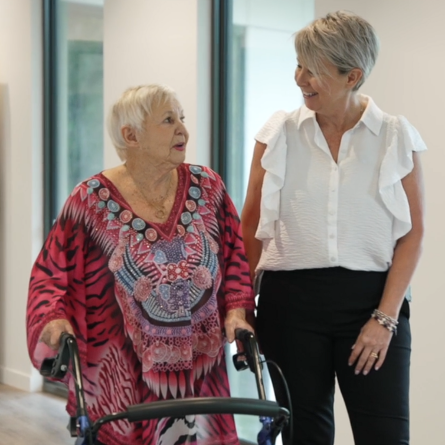
Since moving into The Verge, Judi has loved that sense of community, while still maintaining a private life. She reveals: “Everyone is so friendly and welcoming, yet we live very privately. We have the places where we can go for interaction, but in our place, unless we invite someone in, we have privacy and people respect that.”

A place for those you love

With incredibly spacious apartments, large balconies, and extensive gardens, there’s room for everyone. In fact, The Verge’s apartment layout and popular common spaces were specifically designed to help foster a strong sense of community.

“Moving in here was like getting a warm hug. It’s felt like home right from the start and everyone has been so welcoming and friendly,” says resident Lorraine.

The Verge is also pet friendly, which is ideal for Sharon’s parents, Pauline and Maurice, who were among the first residents to move in.

“[My chihuahua] Pablo has weekly sleepovers with my parents, and everyone makes such a fuss over him,” Sharon said. “It’s lovely to be part of the community here at The Verge. It is such a friendly, vibrant community.”

The Verge Gold Coast Official Opening Event 2nd June 2021. Josh Woning – J&A Photography

Friends and family make it home

Pauline and Maurice moved from Anglesea on the Great Ocean Road after a year of being separated from their daughter by border closures.

“We absolutely love living at The Verge. It’s the best decision we have made,” Pauline said. “One of the best parts is that you don’t feel like you are living in a retirement village.

“It really feels like we are a group of really good friends enjoying each other’s company – living the good life now. To be able to have this much fun in a safe and social community is a great feeling.”

Spacious apartments that bring the outside in

Every last detail has been meticulously planned to enhance the connection between bright, airy interiors and the surrounding environment.

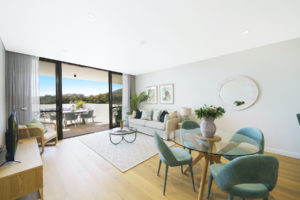
Apartments are spacious and well-appointed, with floor-to-ceiling glass doors and generous balconies that provide sweeping outlooks from every angle.

The open-plan layouts are designed to make the most of natural breezes and bring the outside in. As resident Lorraine says, “It’s lovely and quiet here. It’s like being in the country but with all the benefits and conveniences of apartment living.”

You’ll find there’s plenty of space for entertaining and having friends and family stay overnight. There’s even a herb garden on the fourth floor terrace – perfect for adding natural, home-grown flavours when you’re whipping up a feast for friends.

Residents Chris and Judi say they love to invite old friends into their new home to show off their new life. Chris explains, “We’ve socialised with our old friends here and they go away realising why we’re comfortable”.

Extensive, state-of-the-art facilities

The Verge offers a safe and supportive community, with extensive community facilities and ample activities should you choose to get involved.

You might find yourself chatting with neighbours over weekly happy hours, catching up with friends in the Tee House Café, or enjoying the expansive gardens with your grandkids. Residents Elaine and Peter Hulme enjoy a busy lifestyle and appreciate that The Verge offers “security and friendship in a great location”. As Elaine points out, “we have made some really good friends [and] love the community feeling.” Elaine makes the most of the Wellness Centre, which offers state-of-the-art exercise equipment, medical consulting rooms, and regular classes.

“I participate in tai chi, yoga and dance which is great,” she said.

“We can also walk out of here, down the path and into the golf course and have a drink or a meal.”

The village minibus is another draw card, with its regular trips to local shops, eateries and attractions such as the botanic gardens, Mount Tamborine, wineries, and art galleries.

Take a look at the action-packed activities calendar which is a taste of what you can expect at The Verge. You can participate in as much or as little as you like.

Whether it’s just you, or you’re bringing your best friend, sibling or partner, The Verge is perfect for now, ideal for later.


If you have any queries or want information about what your new life at The Verge will be like, contact your sales consultant.

Perfect for now, ideal for later: life at The Green


Not only is Tarragindi home to a close-knit and friendly community, it’s also home to the 260-hectare Toohey Forest, and it’s a mere eight kilometres from Brisbane’s CBD. It’s no wonder the stylish and leafy suburb is loved by families and professionals. Discerning retirees are now getting in on the good life.

Whether you’re a Tarragindi local wanting to stay in your desirable, tree-line neighbourhood, or simply ready for retirement and looking for a tree change close to Brisbane’s CBD, you’ve made the right decision selecting The Green Tarragindi for your next chapter.

Stay connected with old friends and make new ones

Whether you’re a Tarragindi local or a newcomer, you will love the convenient location of The Green, which is close to parks, restaurants, shops, public transport and health amenities.

As RetireAustrlalia’s Senior Development Manager, Angus Spencer says: “Staying in your neighbourhood allows you to stay close to friends and family. Especially as we get older, it’s critical to create connections and maintain friendships.

“The Green allows people to continue to enjoy all the things they love in their neighbourhood, and be part of a like-minded community. Equally if you’re looking to change things up in retirement, The Green is situated in a wonderful community close to everything you could need.”

Start your day with a solitary early morning walk in one of the many green spaces on your doorstep, or share a cup of coffee with close friends in a trendy local café, either way you’re guaranteed to be able to live life how you like with everything you need right at your fingertips. And, if you’re looking to make new friends and connect with like-minded neighbours, The Green’s social calendar and numerous community amenities will help you on your way.

Tarragindi’s first retirement community has been specifically designed to promote a healthy lifestyle, with extensive community facilities, beautifully landscaped gardens and plentiful opportunities for casual interactions with your neighbours and friends. It is going to be a unique community where you can make yourself at home and find like-minded people, where you can relax in the privacy of your own apartment, get out and enjoy the thriving local area, or make use of the village’s first class facilities and activities whenever you like.

The Green Tarragindi Bowls Club Cafe

Your family and friends will love The Green

Each of the 11 different apartment layouts has been purposefully designed to offer contemporary, open plan living with plenty of light-filled space that is perfect for whiling away the day in solitude or entertaining your nearest and dearest.

With high-end fixtures and fittings, plenty of room for visitors, and views of the Brisbane skyline or Toohey Forest, your family will love your new home as much as you do. What’s more, with 70% of the site dedicated to open space, you’ll be able to entertain your family and socialise with friends in the residents’ lounge, cinema, communal barbeque area, private dining area, championship bowling green and beautiful gardens.

In fact, we’re confident that your home at The Green will be the centre of many social gatherings for years to come.

Bring your pet

The Green has been designed to embrace all the things that bring you joy – like living with a beloved pet who can make your home complete. We care about the important connection and companionship pets provide, that’s why we welcome four legged friends. Better still, they will be able to make new friends at the Shaftsbury Street dog park which is just a few minutes away.

The Green Tarragindi - Drone to City

Lift your bowls game and stimulate your social life

The Green is co-located with a popular café and a championship-quality bowling green, seamlessly connecting the village with the local community. The café is your spot for catching up with friends and family and enjoying great food and drinks with exclusive resident discounts.

“It’s a really vibrant area with an active community. It’s all these things that make up a really wonderful tapestry of the Tarragindi community,” says Angus.

The right care for you, at any stage, now and in the future

It’s reassuring to know that at The Green there will always be someone looking out for you, whether it’s a friendly neighbour or a caring member of staff.

Tailored technology solutions are being seamlessly incorporated into the apartments to help you stay connected and access care and health services if you ever need them. You’ll quickly get the help you need, when you need it, with a personal emergency response system incorporated into your home at several nominated locations.

At The Green, you will also be able to access RetireAustralia Support at Home services, which is professional care delivered in the comfort of your home. Our reliable and experienced team can help with a broad spectrum of care and support – from cleaning and meal preparation all the way through to medication management and wound care. Home care can be funded privately or through an approved government-funding.

While the apartments offer individual, private spaces, together they form a safe and secure community where you have the freedom to live life your way, with the peace of mind that there is always someone who cares and someone to look out for you.

Get involved as much or as little as you like

At The Green there will be plenty to do if you so wish. There will be a range of activities to take part in so you will never be bored.

If you have any queries or want information about what your new life at The Green will be like, contact your sales consultant.


9 top tips to help you downsize and declutter


It’s so easy to accumulate a lifetime of treasured trinkets and possessions. We often don’t realise how much ‘stuff’ we have until it’s time to move house. When you’re making the move into retirement living there is often an element of downsizing as you move from a family home to the next chapter of your life. It may seem overwhelming, but there are some simple things you can do to make clearing the clutter stress free. Before long, you will be relaxing in your new home.

We’ve supported many residents and their families over the years through this process and gathered their best tips and advice on how to make things as easy as possible.

1. Make a plan

Group your objects into categories and start culling less emotional items such as paperwork, kitchen utensils, stationery supplies, cleaning products, clothes, linen and plastic-ware. Once you’ve done these you can work your way up to photos, books, knick-knacks and other sentimental memorabilia.

2. Start early

Start to make decluttering decisions well in advance of your actual move date. This is important if you have a high level of attachment to your belongings and allows you to stay in control of decision making. Quite often you will underestimate just how much you need to de-clutter, so starting as soon as possible is your best bet says RetireAustralia resident Chris, “My top tip is start clearing the rubbish in the garage two years before you downsize!”

3. Take measurements and consider your new lifestyle

RetireAustralia’s sales team will provide you with a floor plan of your low-maintenance, thoughtfully-designed apartment at The Green Tarragindi, which will include the room measurements. Take advantage of this by taking measurements of all the spaces and storage areas and use this to help you decide what to take.

Remember, you will have access to all the fabulous common areas at The Green, and there will be no need to bring that lawn mower or hedge trimmer.

The Green Tarragindi - Podium to Clubhouse

4. Keep sessions short

Even if it’s for only 15 minutes at a time, short sessions will soon add up to a lot of work. You don’t need to do it all at once, but slowly you’ll be able to work up to longer periods.

5. Be honest

To help make decisions on what to keep, ask yourself “do I need it, use it or love it?” Be honest with yourself and remember objects don’t have feelings. You can create piles or areas to sort into, such as ‘keep’, ‘toss’ and ‘sell/giveaway/donate’. Don’t create a ‘maybe’ pile as it is something you’re just going to have to sort out again later.

“Once we’d done it, we felt so good. We’d got rid of all this stuff we didn’t really need and living here feels like we’re on holiday every day,” says Del, a RetireAustralia resident from Wellington Manor.

6. Take photos

Consider taking photographs or video of things that can’t go to your new home. It will preserve the memory without taking up any space in your new home.

Speaking of photos, you may have boxes of old photos and many albums. Photos are treasured items and need to preserved, but they can also be heavy and bulky. Enlist some friends or family to help digitize them all and then frame the ones that are special to take pride of place in your new home.

7. Swap old for new

It’s OK to still buy new items but try adopting ‘the one in / one out’ rule. For example, if you buy a new set of wine glasses, donate the existing ones.

Moving into your new home can also be your chance to update some of those older items for some nice things you’ve had your eye on. Now’s the time to create your new home for the next exciting stage of your life.

Interior Lounge

8. Gift or sell things

Firstly, ask your children if they want any of the items you don’t want, but be prepared for them to not want many of them, no matter how precious they are to you. Secondly, consider a private garage sale for people you know and trust and put coloured stickers on the items you no longer want. Thirdly, ask charities if they want your unwanted items but don’t just assume they will – charities often have limited room or too much stock already. Auction houses can also be a destination for selling your unwanted items but they can be very fussy about what they’ll accept.

“We had friends help, we donated stuff to charity, we gave to family and friends, we sold on Facebook Marketplace,” says Chris.

9. Be kind to yourself

Downsizing and decluttering can be tough as we form emotional attachments to our belongings and the memories they hold. By starting early, you give yourself time to reminisce over cherished memories and process the change that’s occurring. Don’t be hard on yourself for being sentimental, but do remind yourself that a fantastic new life awaits you. The most common thing we hear at RetireAustralia is “I wish we’d made the move sooner!”.

Get some assistance

This is something you don’t have to tackle on your own, there are professionals available you can assist you. Some services that may be able to help include:

Downsized Living Ph: 0412 173 033

Blue Lighthouse Relocations  Ph: 1300 158 432

Retirement Care Solutions  Ph: 0408 451 667

Is retirement living good for you?


It might seem hard to believe, but where you live can impact your health just as much as how you live – and having community connection makes a tangible difference to your quality of life.
We’ve put together six ways retirement living is good for you.

1. Social connectedness

The Verge at Burleigh G.C. offers genuine community, social connectedness, and a sense of belonging. This is important because humans are social creatures, even those who prefer their own company need a sense of connection to thrive.

You’ll have ample social activities to choose from, from happy hours to lawn bowls, movie nights to craft groups. There’s something for everyone but it’s entirely up to you how much, or how little, you take part in.

Either way, you’ll be part of a diverse and supportive community. And, as the Australian Unity Wellbeing Index reports, this has a positive impact on our wellbeing[1].

“Communities offer us collective support, a sense of belonging, and play a key role in combating loneliness as we age.[2]

2. Better physical health

Throughout our RetireAustralia villages, our teams have reported countless instances of residents’ health improving after moving into a retirement community. And now there’s research to back up this anecdotal evidence. In a survey of Australian retirement village residents, 27% reported their physical health improved after moving in[3].

This could be for countless reasons, including more social interaction, feeling safe and secure, and better nutrition*.

Research shows that loneliness can have an adverse effect on physical health, and is linked with impaired immune functioning, unhealthy behaviours, and physical inactivity[4].

On the flipside, retirement living is good for you because villages have been specifically designed to improve health and wellbeing. In other words, our communities are purpose-built to counter social isolation and foster a sense of belonging and connectedness. Our vibrant activity calendars also offer whatever it is that sparks your interest and keeps your body and mind active.

3. Improved mental wellbeing

This brings us to improved mental wellbeing. In many ways, it’s hard to separate physical and mental health because they’re so inter-linked.
It’s also important to be aware that older people are more susceptible to common triggers for anxiety and depression [5].. Beyond Blue reports that these triggers include physical illness, chronic pain, and personal loss.

The good news is that having strong community connections can not only provide people happiness, support and a sense of purpose, but it can help stave off anxiety and depression.

“Research shows that being connected to others is important for mental wellbeing and can be a protective factor against anxiety and depression.” Beyond Blue: Connections Matter [5].

4. Safety and security

Many residents tell us that safety and security is at the top of their list, and one of the key motivators behind moving into a retirement village.

Residents feel safer in a retirement village for lots of different reasons, but we most often hear that people feel more secure because they:

  • Are in a community of like-minded neighbours where everyone looks out for each other.
  • Have a 24-hour emergency call system, this offers peace of mind in the event of a fall or a health incident.
  • Feel supported in the midst of challenging external events, such as natural disasters and COVID-19
  • Can visit family and friends knowing their mail will be collected, lawns mowed, and home secure in their absence.

Retirement village living also gives extra assurance to family members who may not live close by.

5. Future care needs

We’ve already touched on physical health, but it’s important to think about your future care needs, even if you’re currently fit and active. One of the main benefits of retirement living is having a safety net if your health changes down the track. You can rest easy, knowing we have you covered if you fall ill, get injured, or need extra care and support:

  • Home Care: Home Care provides residents with the same trust, familiarity, and feeling of ‘home’ that they already have about their village. Our reliable and experienced team can help with household chores, meal preparation, showering, dressing and medication support, to name a few. Depending on the community you choose, you can access home care from RetireAustralia and/ or another reputable provider.
  • Priority access: Alternatively, if your care needs are increasing and you need consistent day-to-day support, in most cases you also have priority access to one of our care or serviced apartments in your village or a nearby RetireAustralia village. Our trusted team will take care of housekeeping, maintenance and delicious meals every day.

6. Ditch the lawnmower

This brings us to our final point – a low-maintenance lifestyle. This is especially important if you have a large family home that’s become a burden to maintain.

At The Verge, you don’t have to worry about maintenance or gardening. If you have a leaking tap or your light bulb blows let our village team know and we will take care of it**. This means you can kick back in the community centre overlooking lush green gardens – without having to fire up the lawnmower. Having gardening and maintenance taken care of allows you the time and space to spend more time on what you love, whether that’s playing with your grandkids, golfing or reading.

the verge residents


* Better nutrition applies to care and serviced apartment residents, who receive delicious and nutritious meals every day.
** Examples only. Before moving into a RetireAustralia village we provide clarity on what maintenance the village service charges cover, giving you peace of mind and financial certainty for the future.
1] Australian Unity. “How community affects wellbeing.” (2020), online: https://www.australianunity.com.au/wellbeing/What-is-real-wellbeing/How-community-affects-wellbeing
[2] As above
[3] Retirement Living Council. “The book of wise moves.” (2020), online: https://www.awisemove.com.au/village-life/
[4] Van Orden et al. “Strategies to promote social connections among older adults during ‘social distancing’ restrictions.” (2020), online: https://www.ncbi.nlm.nih.gov/pmc/articles/PMC7233208/
[5] Beyond Blue. “Risk factors for older people” (2022), online: https://www.beyondblue.org.au/who-does-it-affect/older-people/risk-factors-for-older-people

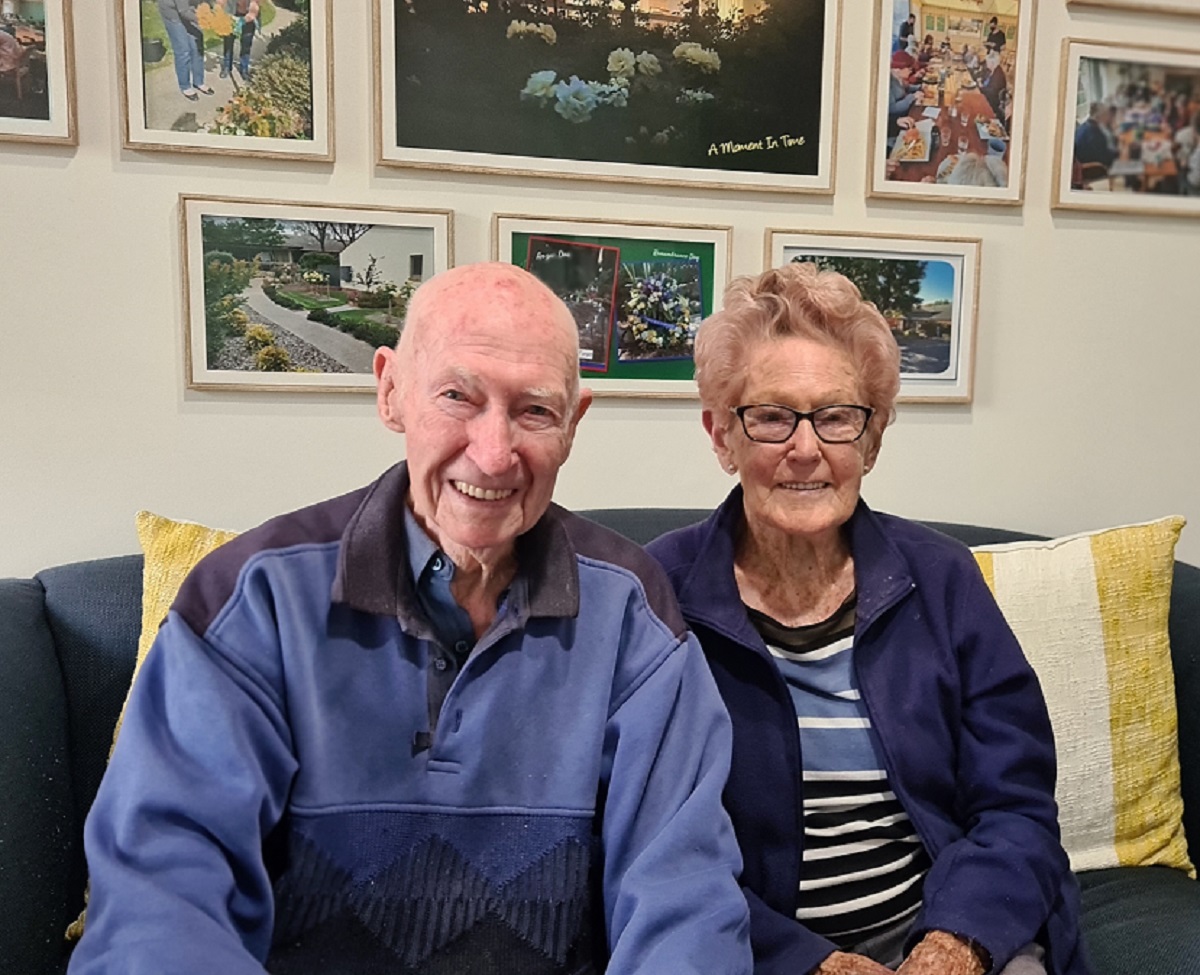
Colin’s 100-year secret

Bartonvale Gardens Retirement Village resident Colin Murray shares his secret to having a happy and healthy life to 100.

Colin and Neta Murray are not ones to sit around and they say this is the secret to a long and happy life. Their secret must work because Colin recently celebrated his 100th birthday on December 26, 2022.

Colin celebrated this impressive milestone with a party in mid-December at Bartonvale Gardens Retirement Village where he lives with his wife Neta. Then again with family on his Boxing Day birthday.

The secret to life at 100

Colin says he’s been active his whole life and unlike other people, he’s never been one to think that it’s time to take it easy.

“You’ve just got to keep going,” says Colin. “Be physically active all your life. That builds your body up. There are a lot of people who get to 60 and they’ll sit down and think they’re old. They’re not old! If you keep physically active that really helps a lot. I had a pretty busy life.”

As a young married couple Colin and Neta moved to property in Penong in outback South Australia. They moved there to farm wheat and sheep and build a life for themselves, but it took a lot of hard work.

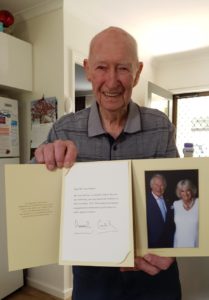
Colin was thrilled to receive a letter from King Charles.

“Farming was heavy work. It was nothing to go out into the scrub and cut a couple hundred posts with an axe. There were no chainsaws,” says Colin.

“We started off on a block of land with hardly anything and we ended up with all that we needed,” says Neta.

As a veteran of World War 2, Colin was used to adversity and lived by his motto of “keeping going”.

Life in the city and retirement

When it was time for their children to start high school, the whole family decided to move to Adelaide. Here Colin worked in a farm machinery business for a few years before eventually retiring.

The couple weren’t ready to slow down yet and spent 25 years caravanning across the country. The couple joined not one, but two caravan clubs so they could keep out on the road.

“We lived a lovely life in the caravan,” says Neta. “We had a jolly good time.”

In their travels they went to Queensland, Victoria and Western Australia, along with many local trips around South Australia.

Life at Bartonvale Gardens

Colin and Neta moved to Bartonvale Gardens around two years ago and currently live in an independent living unit. They love getting involved with the activities in the village, Neta joins in the knitting and chat group, while Colin plays billiards.

They enjoy having a smaller home that is much easier to take care of, and they’re also now getting support through the RetireAustralia Home Care team.

“I’m pleased now I only have a little place to clean and keep tidy,” says Neta. “I’ve had to give in to a cleaning lady and now I have someone to wash the windows.”

Their son Garry lives nearby and is pleased his parents are living in the village, although he said it took a little convincing and he wishes they had decided to move while they were in their eighties.

“I was very pleased once they made the decision to come here. I just feel more confident that they have they security that they need. They’re fiercely independent and took time to get them here,” says Garry.

“To be quite honest, they were 10 years too late getting here, but they were very reluctant to shift. Once they got here they were OK, but I think they could have had a better time if they’d got here earlier,” Garry explains. “But that’s the way it is.”

Home Care

Living independently in their nineties (and now at 100) is made easier with the support of the Home Care team. As well as getting some assistance with cleaning, Neta is looking forward to having someone who can drive her to do some shopping when needed as Colin only recently gave up driving.

Their son Garry says it’s also important to start the Home Care process sooner rather than later.

“The earlier you can get started with Home Care the better, again I think my parents left it too long and it does take time,” he explains.

Another milestone

Now that Colin has celebrated his birthday, the milestone celebrations won’t stop there. Colin and Neta are looking forward to celebrating their diamond wedding anniversary in June. Being married 75 years hasn’t dampened their humour and the couple often makes jokes to each other.

“Being married 75 years you sometimes start to annoy each other,” Neta and Colin say laughing.


Find a community you can call home